





What's Happening?
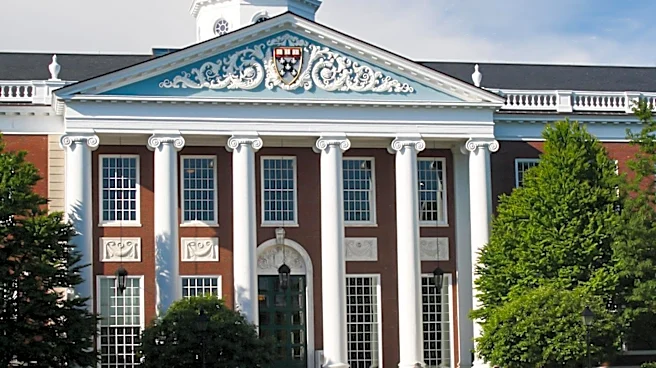
Harvard College has implemented a new first-year advising system, phasing out individual pre-concentration advisers for freshmen and sophomores. The new model, which began rolling out for the fall semester, directs incoming students to online modules,
small-group advising sessions, Peer Advising Fellows (PAFs), proctors, faculty, and academic departments. Harvard College Dean David J. Deming acknowledged in late August that the overhaul was "halfway at best" complete and still had "things to work out." Dean of Undergraduate J. Claybaugh also noted that summer layoffs within the Faculty of Arts and Sciences limited the College's ability to develop new advising programs, particularly with academic departments. The College's new philosophy aims to "professionalize" aspects of advising requiring specific academic expertise by directing students to faculty and departmental directors, while "intentionally deprofessionalizing" mentorship aspects, which are now largely handled by PAFs and proctors. Some incoming freshmen and PAFs have expressed confusion regarding where to seek academic guidance under the new structure.
Why It's Important?
This shift in Harvard College's advising structure is significant as it redefines the initial academic and social support system for thousands of incoming students. The elimination of individual pre-concentration advisers could impact students' ability to navigate their academic journeys, especially those who require personalized guidance in choosing courses or concentrations. While the College aims to encourage students to build broader networks with faculty and departments, the current uneven rollout and reported lack of clear communication could lead to increased stress and uncertainty for freshmen. PAFs are already reporting an increase in academic questions, which they are not always equipped to answer, potentially creating a bottleneck in information dissemination. The success of this overhaul will depend on how effectively the College addresses these initial challenges and ensures that all students receive adequate and timely support, which could influence student satisfaction and academic outcomes at one of the nation's most prestigious universities.
What's Next?
Harvard College anticipates ongoing adjustments to the advising structure throughout the academic year. Dean Deming has stated that the College is prepared to "course correct" if the new system proves ineffective. This suggests that feedback from students and PAFs will be crucial in shaping future iterations of the advising model. The College will likely need to enhance communication strategies to clarify the roles of various advising resources and ensure students understand where to direct specific academic inquiries. Additionally, there may be a need to provide more comprehensive training or resources for PAFs and proctors to handle the increased volume of academic questions they are receiving. The long-term success of this overhaul will be measured by student experiences and academic performance, potentially leading to further refinements or even a re-evaluation of certain aspects of the new system.
Beyond the Headlines
The advising overhaul at Harvard College reflects a broader trend in higher education towards optimizing resource allocation and potentially shifting the burden of academic guidance. By "deprofessionalizing" mentorship and emphasizing direct engagement with faculty for specialized academic advice, Harvard is attempting to foster greater student autonomy and direct engagement with academic departments. However, this approach also raises questions about the potential for increased workload on faculty and the risk of some students falling through the cracks if they struggle to proactively seek out support. The transition highlights the delicate balance between providing structured guidance and encouraging independent learning. The College's decision to eliminate staff positions as part of a broader restructuring also underscores the financial and administrative pressures faced by educational institutions, which can directly impact student support services. The effectiveness of this new model could influence how other universities approach their advising systems, particularly in balancing cost-efficiency with comprehensive student support.