



What's Happening?
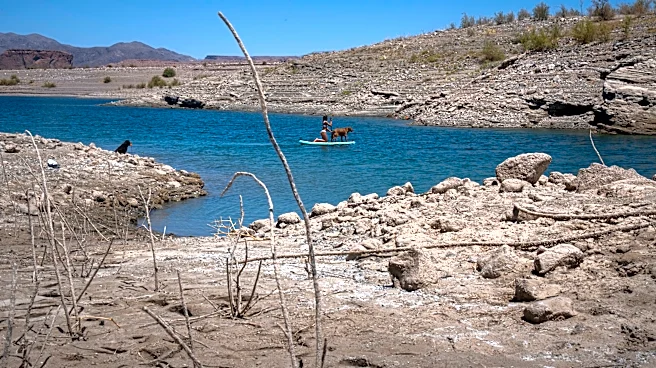
The federal government has unveiled a new plan to address the ongoing water crisis affecting the Colorado River, which is crucial for Arizona, California, and Nevada. Announced on July 31, 2026, the plan proposes substantial reductions in water deliveries,
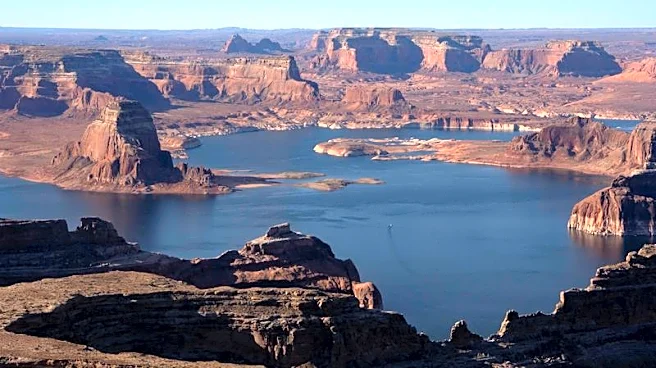
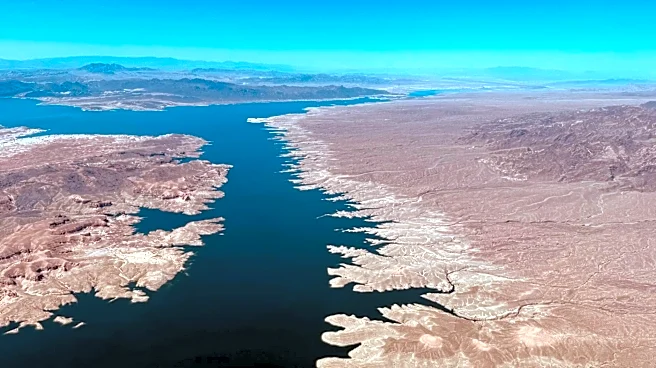
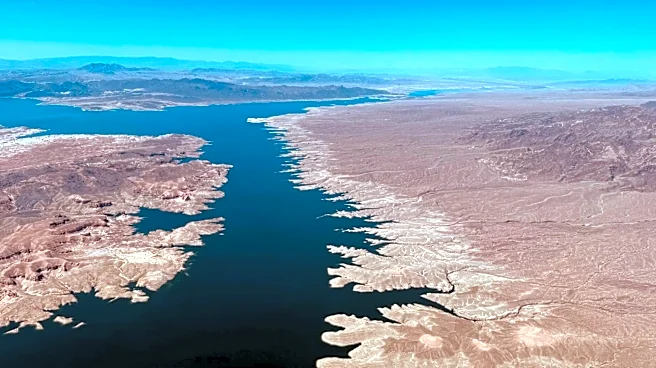
potentially up to 3 million acre-feet annually, nearly double the conservation efforts previously suggested by these states. Arizona, in particular, faces the most severe cuts, which could impact water supplies to major cities like Phoenix and Tucson. The U.S. Interior Department’s Bureau of Reclamation released an environmental study to support this plan, aiming to prevent critical drops in water levels at Lake Mead and Lake Powell. The plan replaces guidelines from 2007 and introduces a flexible framework to adapt to changing climate conditions every two years.
Why It's Important?
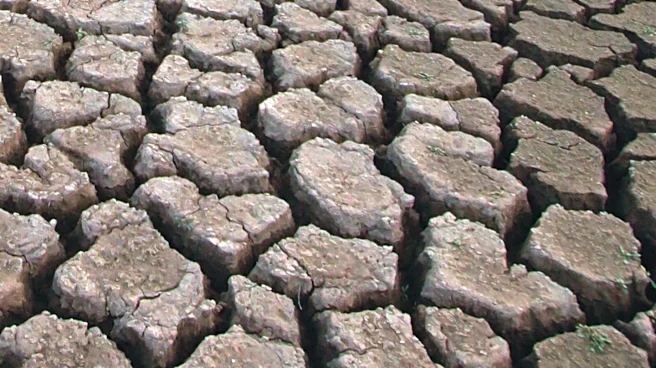
This development is significant as it addresses the severe drought conditions impacting the Colorado River, a vital water source for millions of people and industries in the southwestern United States. The proposed cuts could have profound implications for agriculture, urban water supply, and energy production in the affected states. Arizona, with its junior water rights, stands to lose the most, potentially affecting its economic stability and growth. The plan underscores the urgent need for sustainable water management practices in the face of climate change and highlights the challenges of balancing water rights and environmental conservation.
What's Next?
The detailed guidelines for the first two years of the plan are expected to be released soon, which will clarify the specific reductions each state will face. Stakeholders, including state governments and water agencies, will likely engage in negotiations to mitigate the impact of these cuts. The plan also opens the door for further discussions on water rights and conservation strategies, particularly with the Upper Basin states, which have so far resisted mandatory cuts. Legal challenges and interstate negotiations may arise as states seek to protect their water allocations and address the broader implications of the plan.