






What's Happening?
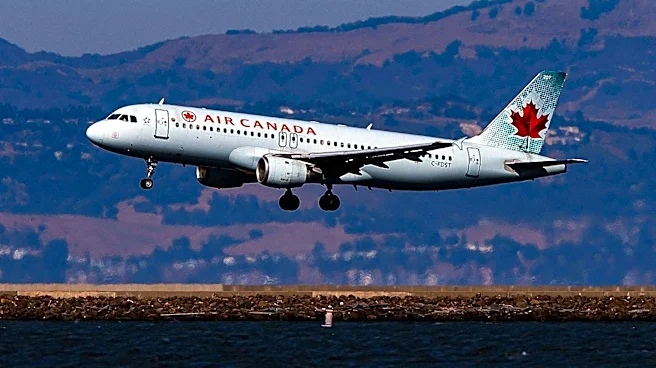
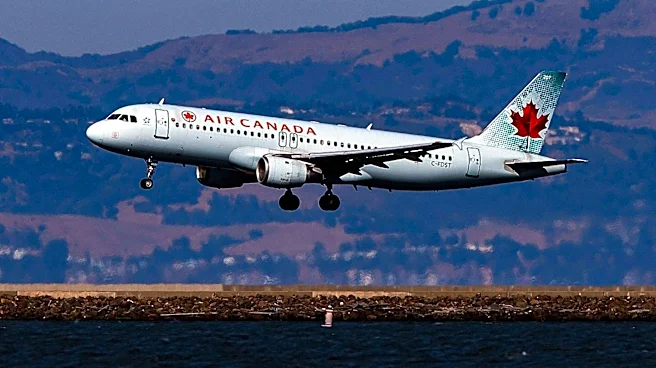
Air Canada has released its Daily Travel Outlook, providing information on potential disruptions to Air Canada, Air Canada Rouge, or Air Canada Express flights. The outlook lists affected airports by date, region, and city when forecasted weather or other
conditions may lead to flight delays and cancellations. The airline emphasizes its comprehensive hurricane and tropical storm policy, designed to offer peace of mind to travelers booking flights during such events. Customers are automatically enrolled to receive flight notifications directly to their mobile devices or via email upon booking, with the option to reconfirm these notifications during check-in. This service aims to keep passengers informed about any changes to their travel plans.
Why It's Important?
This proactive communication from Air Canada is important for U.S. travelers, particularly those with connecting flights or destinations in Canada, as it directly impacts their travel plans and potential disruptions. The airline's policy on hurricanes and tropical storms is especially relevant for those traveling to or from regions prone to such weather events, offering a layer of security and flexibility. For the broader travel industry, Air Canada's approach to managing and communicating potential disruptions sets a precedent for customer service and operational transparency. Timely notifications can mitigate passenger frustration, reduce airport congestion, and allow travelers to make alternative arrangements, thereby minimizing the economic impact of unforeseen events on both passengers and the airline.
What's Next?
Air Canada will continue to update its Daily Travel Outlook as conditions evolve, providing real-time information on flight statuses. Travelers are advised to regularly check the airline's website and their flight notifications for the latest updates. The airline's commitment to its hurricane and tropical storm policy suggests ongoing support for passengers affected by severe weather. Future developments may include further enhancements to their notification systems or adjustments to their operational strategies based on evolving weather patterns and travel demands. Passengers with upcoming travel plans should remain vigilant and utilize the provided resources to stay informed.
Beyond the Headlines
The emphasis on proactive communication and comprehensive policies for weather-related disruptions highlights a broader trend in the airline industry towards greater transparency and customer support in the face of increasing climate volatility. This approach not only addresses immediate operational challenges but also builds passenger trust and loyalty. The integration of automatic flight notifications underscores the critical role of technology in modern travel, enabling airlines to disseminate vital information efficiently. This strategy could influence other airlines to adopt similar measures, leading to an industry-wide improvement in how travel disruptions are managed and communicated, ultimately benefiting consumers and enhancing the overall travel experience.