





What's Happening?
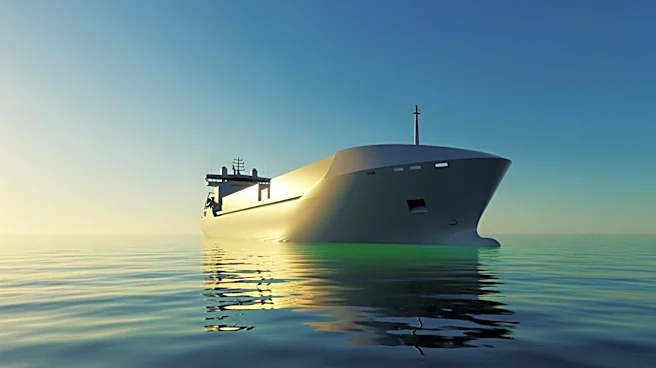
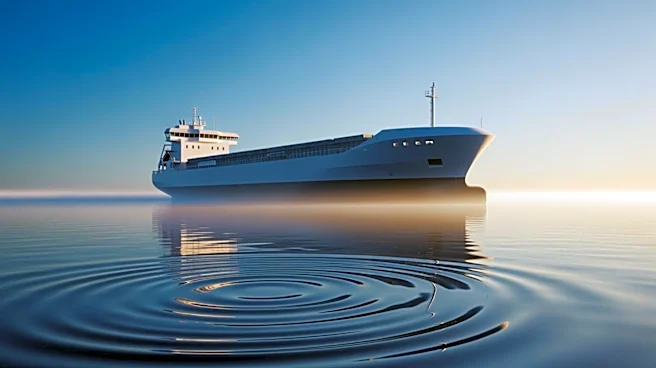
German marine propulsion manufacturer SCHOTTEL has been chosen to supply rudder propellers for two liquefied natural gas (LNG) bunkering vessels under construction for the Shanghai International Port Group in China. These vessels, each with a loading
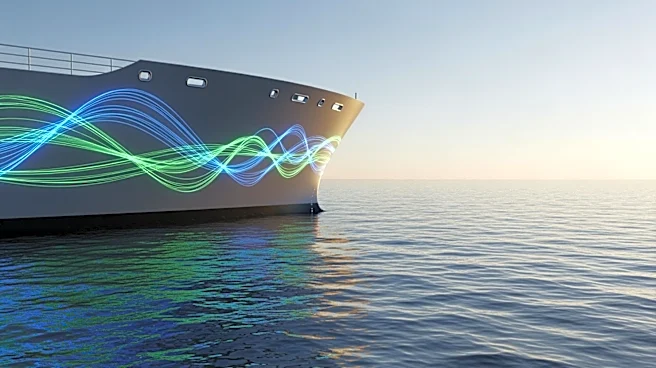
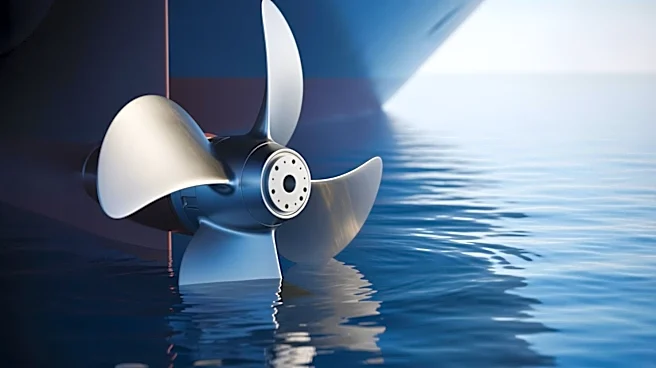
capacity of 20,000 cubic meters, are being built at Jiangnan Shipyard and are expected to be delivered by April 2027. SCHOTTEL will equip each vessel with two SRP 460 LE rudder propeller units, which are part of a fully electric propulsion system. This system features the LE Drive configuration, which integrates the electric drive motor vertically, eliminating the need for an upper gearbox. This design aims to enhance efficiency while reducing fuel consumption, vibration, and noise. Additionally, the vessels will utilize SCHOTTEL’s MariHub monitoring system to collect and analyze operational data, supporting condition-based maintenance. The high maneuverability of these vessels is crucial for their operation alongside large ships during ship-to-ship refueling, even in challenging weather conditions.
Why It's Important?
The decision to equip these LNG bunkering vessels with advanced propulsion systems underscores the shipping industry's ongoing shift towards more sustainable and efficient operations. As the industry seeks to reduce emissions, LNG is anticipated to remain a key alternative marine fuel. The integration of fully electric propulsion systems and advanced monitoring technologies like SCHOTTEL’s MariHub represents a significant step towards achieving these environmental goals. This development not only highlights the growing importance of LNG in maritime fuel strategies but also reflects broader trends in the industry towards adopting innovative technologies to enhance operational efficiency and sustainability. The successful implementation of these systems could set a precedent for future vessel designs, influencing global shipping practices and contributing to the reduction of the industry's carbon footprint.
What's Next?
As the construction of these LNG bunkering vessels progresses, the focus will likely shift towards the operational testing and integration of the propulsion and monitoring systems. Stakeholders in the maritime industry will be closely monitoring the performance of these vessels once they are operational, as their success could influence future investments in similar technologies. Additionally, the adoption of such advanced systems may prompt regulatory bodies to consider new standards and guidelines for LNG bunkering operations, potentially impacting future shipbuilding projects. The successful deployment of these vessels could also encourage other shipping companies to explore similar technological upgrades, further accelerating the industry's transition towards more sustainable practices.