






What's Happening?
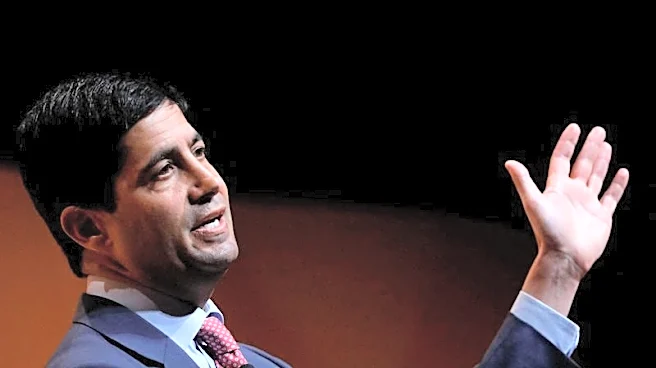
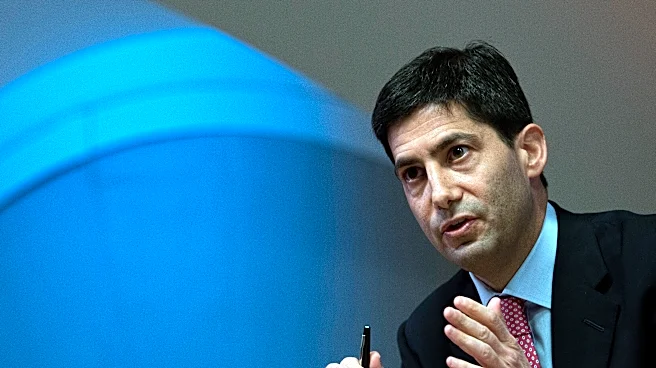
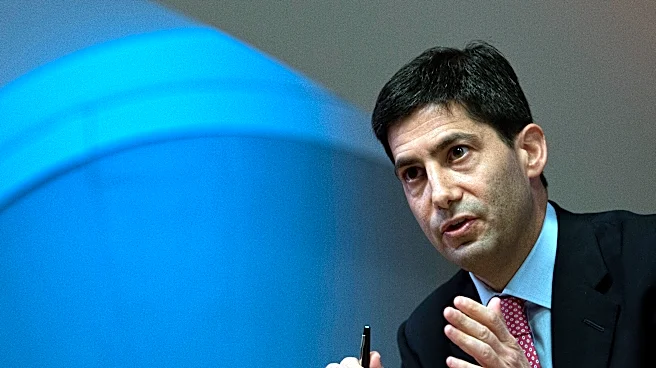
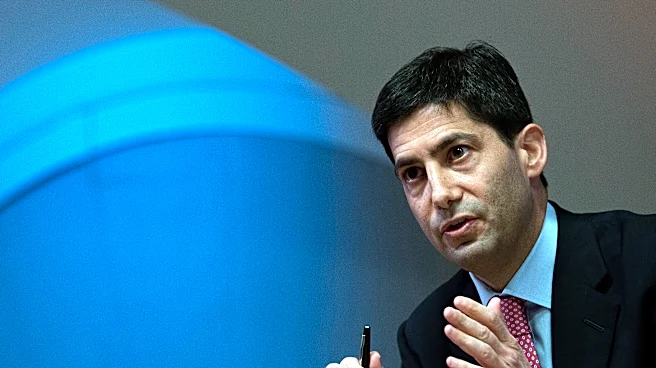
Kevin Warsh, the nominee for the Federal Reserve chief, faced intense questioning from Democratic senators during his confirmation hearing regarding his plan to divest tens of millions of dollars in financial assets. Warsh, who previously served on the Fed's
Board of Governors, has committed to divesting virtually all of his financial assets to ensure his independence and the clarity of his financial record. This move is part of his effort to re-establish the Fed's credibility. However, Democratic Senator Elizabeth Warren challenged Warsh on the specifics of his divestment plan, questioning what assets he plans to sell and how the sales will be conducted. Warsh has agreed to sell his assets within 90 days of taking office, but he declined to disclose specific details about the assets or potential buyers. Republican Senator Thom Tillis defended Warsh, stating that accusations of non-compliance with central bank ethics rules were unfounded. Tillis also noted that Warsh's confirmation would be delayed until the Trump administration's criminal probe of Fed Chair Jerome Powell is concluded.
Why It's Important?
The scrutiny of Warsh's asset divestment plan highlights the ongoing concerns about transparency and ethics within the Federal Reserve. The outcome of Warsh's confirmation could impact the Fed's ability to maintain its credibility and independence, which are crucial for its role in managing the U.S. economy. The divestment plan is intended to prevent conflicts of interest and ensure that Fed officials adhere to strict ethical standards. The delay in Warsh's confirmation due to the investigation of Fed Chair Powell adds another layer of complexity to the situation, potentially affecting the Fed's leadership and decision-making processes. The resolution of these issues is significant for maintaining public trust in the central bank and its ability to effectively manage monetary policy.
What's Next?
The next steps involve the continuation of Warsh's confirmation process, which is contingent upon the conclusion of the investigation into Fed Chair Powell. The Senate Banking Committee will likely continue to scrutinize Warsh's financial disclosures and divestment plan to ensure compliance with ethical standards. The outcome of this process could influence future nominations and the overall governance of the Federal Reserve. Additionally, the resolution of the investigation into Powell could have broader implications for the central bank's leadership and its ability to navigate economic challenges.