




What's Happening?
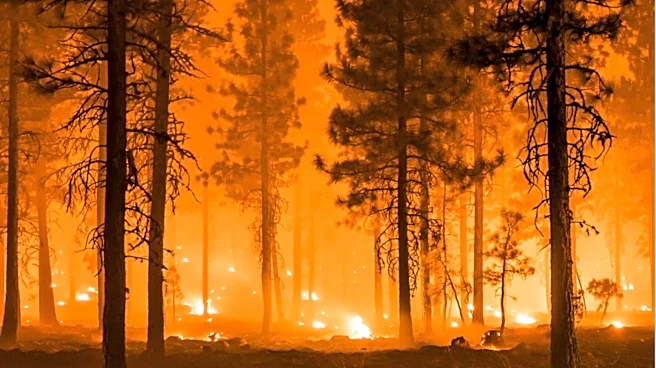
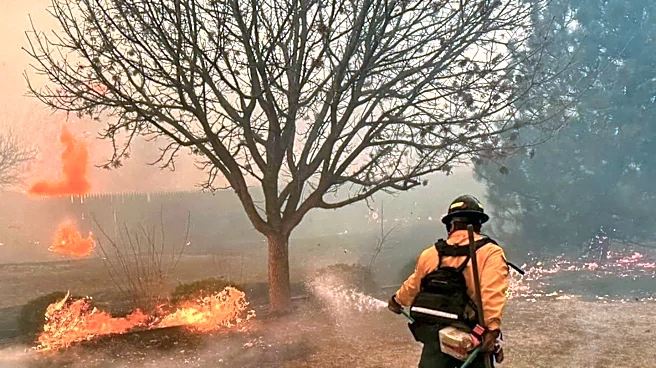
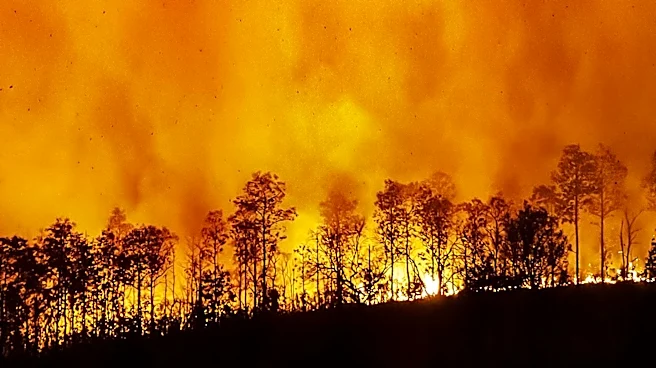
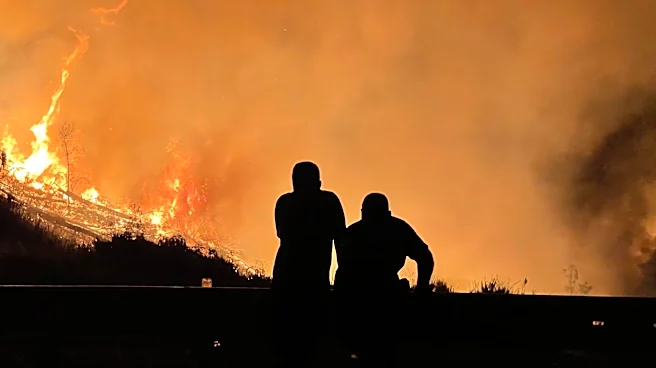
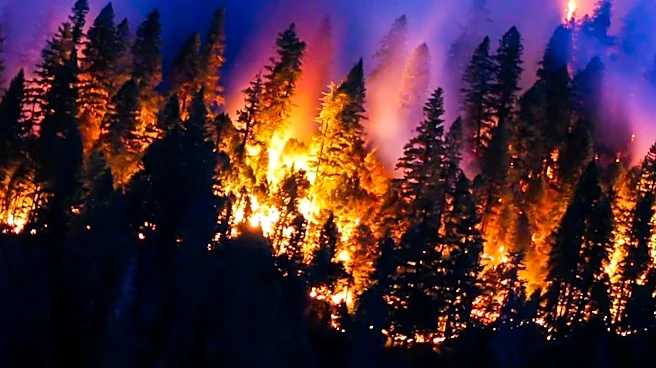
As of a recent update, 51 large wildfires are burning across the U.S., covering over 552,000 acres. States affected include Alaska, Utah, Arizona, Colorado, and others. The National Interagency Fire Center (NIFC) reports critical fire weather threats
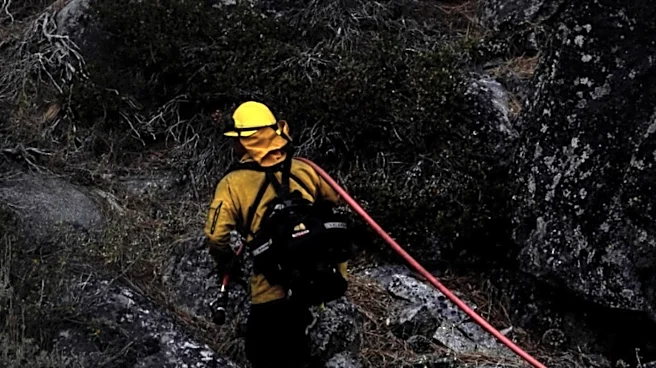
persisting, with red flag warnings in place for parts of New Mexico, Colorado, and Utah. The fires have led to evacuations, highway closures, and degraded air quality. In Alaska, 15 large fires are active, while Utah faces significant challenges with eight major fires. The ongoing heat, low humidity, and gusty winds are expected to exacerbate the situation, potentially expanding the fires further.
Why It's Important?
The widespread wildfires highlight the increasing frequency and intensity of fire seasons in the U.S., driven by climate conditions and forest management issues. The fires pose significant risks to communities, infrastructure, and air quality, straining firefighting resources. The situation underscores the need for effective fire management strategies and preparedness to mitigate the impact on affected regions. The ongoing weather conditions suggest that the fire season could continue to challenge firefighting efforts and community safety.
What's Next?
With critical fire weather conditions expected to persist, firefighting efforts will remain focused on containment and protection of communities. The NIFC and local agencies will continue to monitor and respond to the evolving situation. The need for coordinated efforts and resource allocation will be crucial in managing the fires and minimizing their impact. As the season progresses, further updates on containment and affected areas will be essential for public awareness and safety.