







What's Happening?
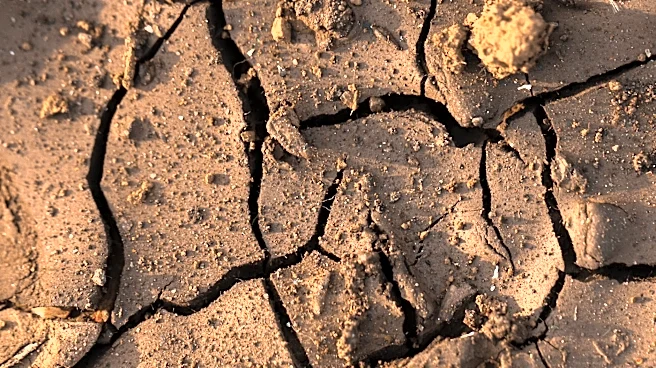
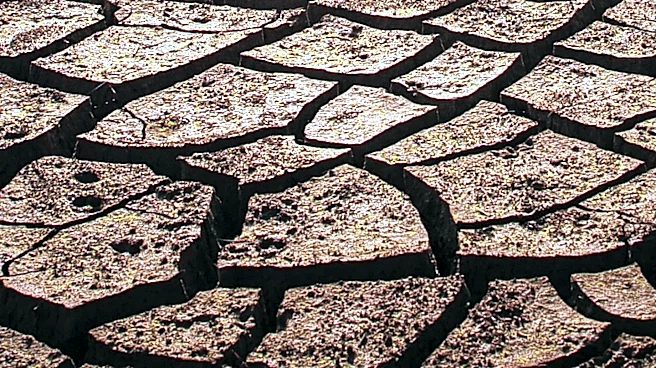
The United States is experiencing significant challenges related to water scarcity and quality as drought conditions intensify across the country. According to the U.S. Geological Survey's National Water Availability Assessment, nearly 30 million Americans
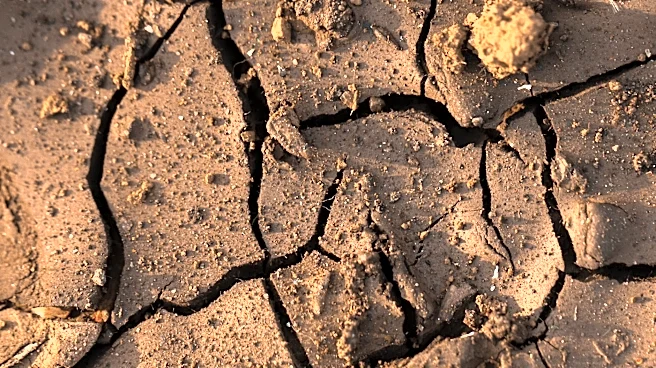
live in areas where surface-water supplies are limited. Groundwater depletion, particularly in the High Plains Aquifer, exacerbates these shortages. The Western U.S. is facing a 'mega drought,' with states like Washington, Oregon, Colorado, Utah, Arizona, and New Mexico experiencing their lowest snowfall in 20 years. This has impacted local economies, especially in ski resorts, which have had to close earlier than usual due to insufficient snow. In addition to quantity issues, water quality is also a concern. Anthropogenic pollution, such as fertilizer and pesticide runoff, and geogenic pollution, including high concentrations of metals like arsenic in groundwater, pose significant risks to human and ecosystem health.
Why It's Important?
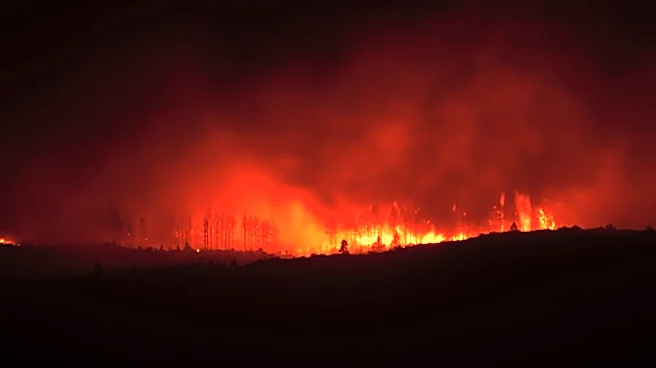
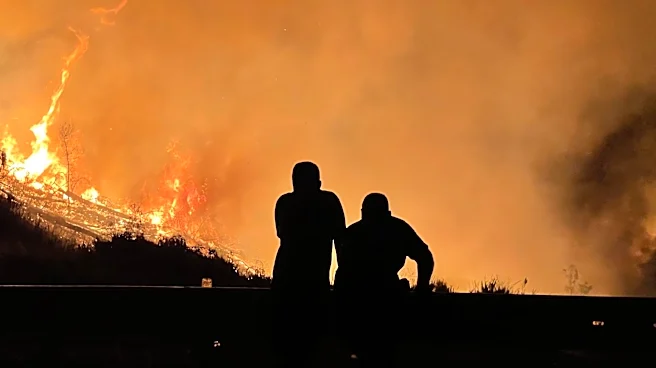
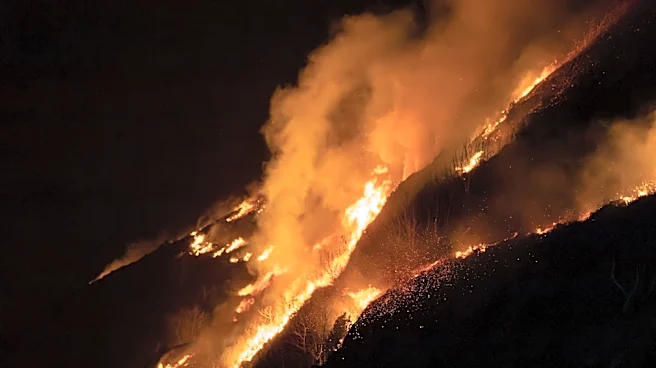
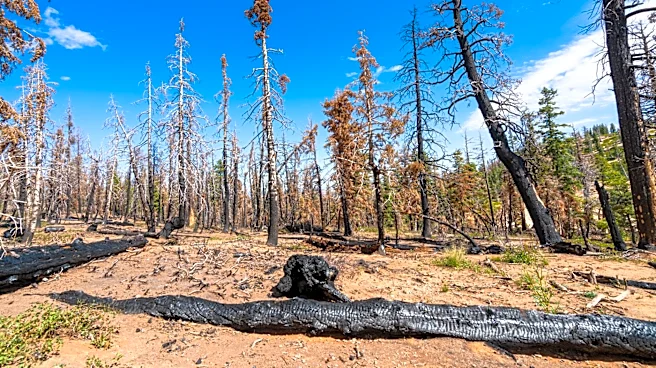
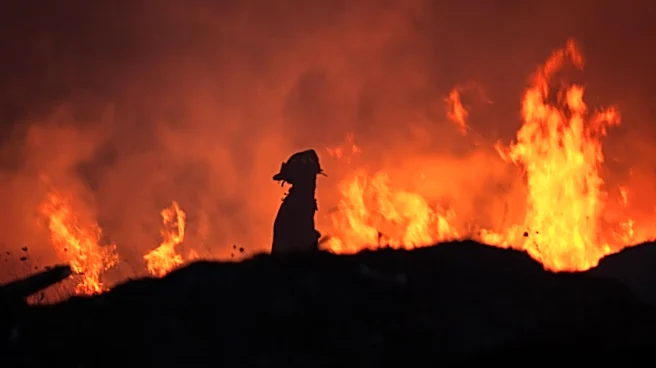
The intensifying drought and associated water challenges have far-reaching implications for the U.S. economy, public health, and environmental sustainability. Water scarcity threatens agricultural productivity, increases the risk of wildfires, and impacts industries reliant on water, such as tourism and recreation. Poor water quality can lead to health issues and increased treatment costs. The uneven distribution of freshwater resources highlights the need for effective water management and conservation strategies. Addressing these challenges is crucial for ensuring long-term water security and mitigating the impacts of climate change.
What's Next?
Efforts to address water scarcity and quality issues will likely involve a combination of policy measures, technological innovations, and public awareness campaigns. Stakeholders, including government agencies, businesses, and communities, may need to collaborate on sustainable water management practices. Investment in infrastructure to improve water efficiency and quality, as well as initiatives to reduce pollution, will be essential. Monitoring and adapting to changing climate conditions will also be critical in developing resilient water systems.
Beyond the Headlines
The ongoing water crisis underscores the broader environmental challenges posed by climate change. It highlights the need for a shift towards more sustainable agricultural practices and urban planning that prioritize water conservation. The situation also raises ethical questions about resource allocation and the responsibility of industries and governments to protect natural resources for future generations. Long-term solutions will require balancing economic growth with environmental stewardship.