







What's Happening?
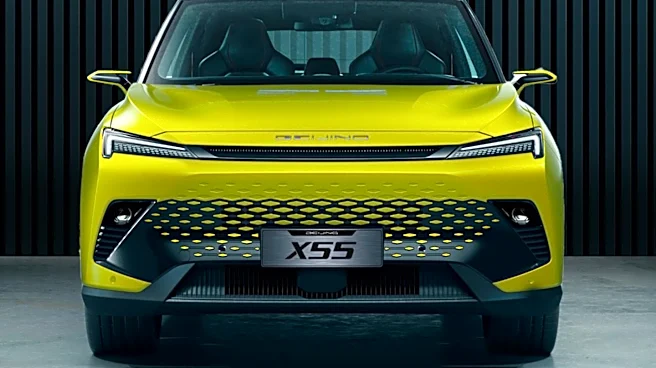
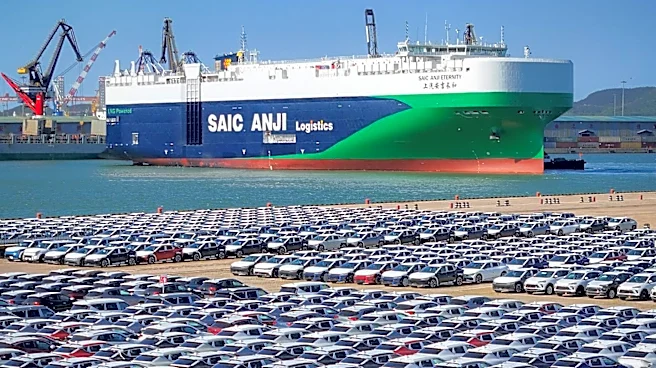
The U.S. has imposed tariffs on Asian vehicles to bolster its domestic auto industry, impacting Chinese car sales in Mexico. Despite a 43% decline in Chinese vehicle imports to Mexico in early 2026, sales of Chinese brands in Mexico rose by 30% in the
first half of the year. This growth is attributed to the affordability and increasing popularity of Chinese electric vehicles (EVs) among Mexican consumers. The tariffs aim to protect U.S. automakers from competitive pricing and component costs of Chinese vehicles.
Why It's Important?
The tariffs highlight the U.S. strategy to protect its auto industry from foreign competition, particularly from China. This move affects international trade dynamics, as Chinese automakers seek to expand in markets like Mexico. The situation underscores the interconnectedness of global markets, where policy changes in one country can have ripple effects on others. For U.S. automakers, the tariffs provide a buffer against competitive pressures, but they also risk straining trade relations with key partners.
What's Next?
The impact of these tariffs on the U.S. auto industry and international trade relations will be closely monitored. Chinese automakers may adjust their strategies to mitigate the effects of tariffs, potentially exploring other markets or enhancing competitiveness through innovation. The U.S. may face diplomatic challenges as it balances protectionist policies with international trade commitments. The evolving landscape could lead to further negotiations or adjustments in trade policies to address the concerns of all stakeholders involved.