


What's Happening?
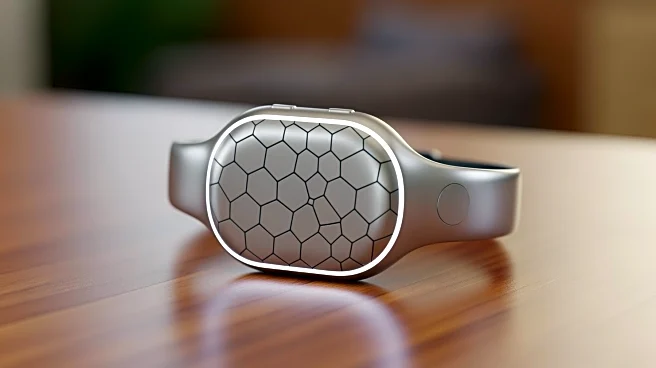
Amazon has introduced a new AI wearable device called 'Bee', designed to integrate AI into users' daily activities. The device records and transcribes audio conversations, segmenting them into sections for easier review. Unlike traditional AI transcribers,
Bee discards audio after transcription, focusing on summarizing conversations rather than providing raw transcripts. The device is not intended as a work tool but as a personal assistant that can suggest tasks based on recorded conversations. Bee integrates with Google services, allowing users to link conversations to tasks, such as connecting with someone on LinkedIn after a meeting. The device is designed to be user-friendly, with features like voice notes and a 'Grow' section that offers insights as it learns more about the user.
Why It's Important?
The introduction of Bee represents a significant step in the integration of AI into everyday life, potentially changing how people interact with technology. By focusing on personal use rather than professional settings, Amazon is targeting a broader consumer base. This could lead to a cultural shift in how people perceive and use AI devices, especially concerning privacy and consent in recording conversations. The device's ability to suggest tasks and learn from user interactions could enhance productivity and personal organization. However, it also raises questions about privacy and the social norms surrounding recording conversations without explicit consent.
What's Next?
Amazon plans to introduce more features for Bee in the coming year, which could further enhance its functionality and appeal. The success of Bee will depend on consumer acceptance and the ability to address privacy concerns. As AI wearables become more common, there may be a need for new social norms and possibly regulations regarding their use. The market's response to Bee will likely influence future developments in AI wearables and their integration into daily life.
Beyond the Headlines
The launch of Bee highlights the ongoing evolution of AI technology and its potential to reshape personal and social interactions. As AI devices become more integrated into daily life, there may be ethical considerations regarding data privacy and the extent to which AI can or should influence personal decisions. The success of Bee could pave the way for more advanced AI wearables, potentially leading to a future where AI plays a central role in personal and professional life.