



What's Happening?
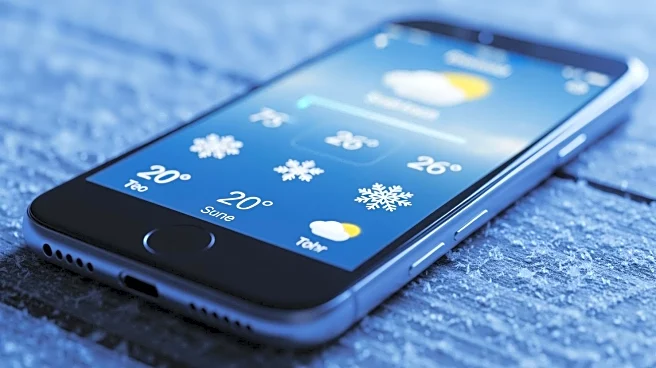
As a severe winter storm impacts multiple states across the U.S., meteorologists are cautioning against relying solely on smartphone weather apps for accurate forecasts. These apps, while convenient, often lack the nuanced understanding required to predict
complex weather patterns involving snow, sleet, and freezing rain. Experts, including University of Georgia meteorology professor Marshall Shepherd, emphasize the importance of human expertise in interpreting weather data, especially during extreme weather events. The storm's rapidly changing conditions highlight the limitations of apps that use AI methods to generate forecasts, which can lead to significant errors. Some apps, however, do incorporate National Weather Service data and meteorologists' insights, offering more reliable information.
Why It's Important?
The reliance on weather apps during severe storms can lead to misinformation and inadequate preparation, potentially endangering lives and property. Accurate weather forecasting is crucial for public safety, as it informs decisions about school closures, travel advisories, and emergency responses. The storm's impact on infrastructure and daily life underscores the need for reliable forecasts. Meteorologists argue that human oversight is essential to interpret complex data and provide localized forecasts, which apps alone cannot achieve. This situation highlights the broader issue of technology's role in public safety and the need for a balanced approach that combines technological advancements with human expertise.
What's Next?
As the storm progresses, meteorologists will continue to provide updates through traditional media channels such as local TV and radio, as well as online platforms. The public is encouraged to seek information from these sources to ensure they receive accurate and timely updates. The ongoing debate about the role of technology in weather forecasting may lead to further discussions about improving app accuracy and integrating more human oversight. Additionally, the storm's aftermath will likely prompt evaluations of emergency preparedness and response strategies, potentially influencing future policy decisions.
Beyond the Headlines
The reliance on weather apps raises ethical questions about the dissemination of information and the responsibility of tech companies to ensure accuracy. The potential for misinformation on social media further complicates the issue, as dramatic and oversimplified forecasts can spread quickly, undermining public trust. This situation highlights the need for media literacy and critical thinking skills among the public to discern reliable sources of information. The storm also serves as a reminder of the broader challenges posed by climate change, as extreme weather events become more frequent and severe.