




What's Happening?
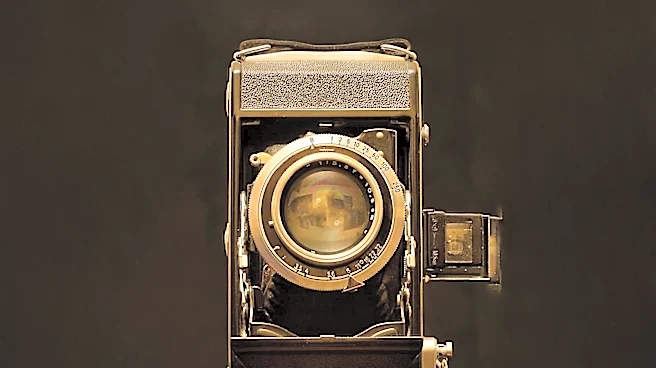
The Tryon Fine Arts Center (TFAC) is set to host two free public programs exploring the life and work of photographer Jane Saxman Brown and the broader topic of historical photograph and film preservation. These events accompany the ongoing exhibition,
'Tryon Through Her Lens: Jane Brown Photographs 1937–1987,' which showcases 50 photographs documenting Tryon and Polk County during the 20th century. On Thursday, November 19, Cynthia (Cindy) Davis, who spearheaded the restoration and exhibition project, will present additional research on Brown's collection, including home movie footage from Brown's travels in the late 1930s and early 1940s. These films feature scenes such as a bullfight in Mexico City, the construction of Mount Rushmore, and Yellowstone National Park. Attendees are also encouraged to share their own knowledge of mid-century Tryon. Following this, on Thursday, December 3, archivist Isaac King will conduct a demonstration on preserving family photographs, film, and other archival materials. King's session will cover his work on the Jane Brown Photographic Collection and offer best practices for at-home care of historical items. Brown, born in 1914 in La Grange, Illinois, moved to Tryon in 1945 and eventually pursued professional photography full-time, self-publishing two limited-edition photography books in 1961 and 1971 that remain significant visual records of the region.
Why It's Important?
These programs are important for several reasons, primarily in their contribution to local history and cultural preservation. By highlighting Jane Brown's photographic legacy, TFAC is ensuring that a significant visual record of Tryon and Polk County from the 20th century remains accessible and appreciated. Brown's work offers unique insights into the daily life, architecture, and landscapes of the region, providing valuable historical context for current and future generations. The involvement of Cynthia Davis, Brown's great-niece, in restoring these photographs underscores the personal and familial dedication often required in preserving historical artifacts. Furthermore, the preservation workshop led by archivist Isaac King empowers community members with practical skills to safeguard their own family histories. This initiative helps to prevent the loss of irreplaceable personal and local historical documents, fostering a greater appreciation for archival practices. The free nature of these events also makes them accessible to a wider audience, promoting community engagement with local heritage and the arts.
What's Next?
The exhibition 'Tryon Through Her Lens: Jane Brown Photographs 1937–1987' will continue to be on view in the Jeanne Parker Gallery at TFAC through December 18. Following the two scheduled programs, the focus will likely shift to the continued public engagement with the exhibition itself. Proceeds from the sales of the companion book and gallery exhibition will benefit TFAC, honoring Brown's legacy and her contributions to the community. This financial support will enable TFAC to continue its mission of promoting arts and culture, potentially funding future exhibitions, preservation efforts, and educational programs. The success of these programs may also inspire other local historical societies or arts centers to organize similar events, encouraging broader community involvement in the preservation of regional history. The ongoing availability of Brown's photographic books, which are described as sought-after visual records, suggests a continued interest in her work beyond the exhibition's closing date.
Beyond the Headlines
Beyond the immediate events, this initiative by the Tryon Fine Arts Center highlights the critical role of local cultural institutions in safeguarding regional identity and memory. In an increasingly digital age, the emphasis on preserving physical photographs and films, as demonstrated by Isaac King's workshop, underscores the enduring value of tangible historical artifacts. This effort also touches upon the ethical responsibility of communities to honor and maintain the legacies of local artists and historians like Jane Brown, whose work might otherwise be overlooked in broader historical narratives. The collaborative nature of the project, involving Brown's family and professional archivists, exemplifies best practices in heritage preservation, where personal connections meet professional expertise. This model can serve as an inspiration for other communities looking to revitalize and share their own unique histories, fostering a deeper sense of place and continuity across generations. The exhibition and programs collectively contribute to a richer understanding of how art can serve as a powerful tool for historical documentation and community reflection.