
What's Happening?
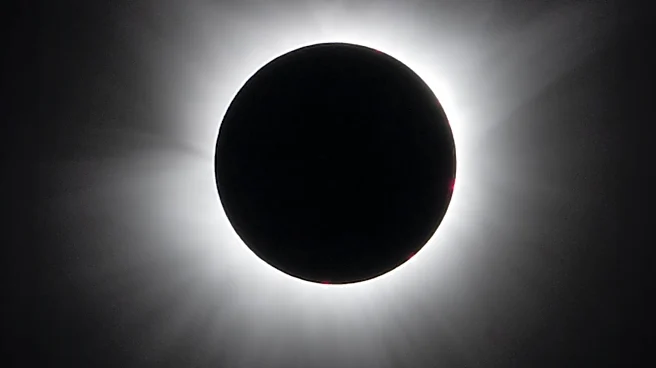
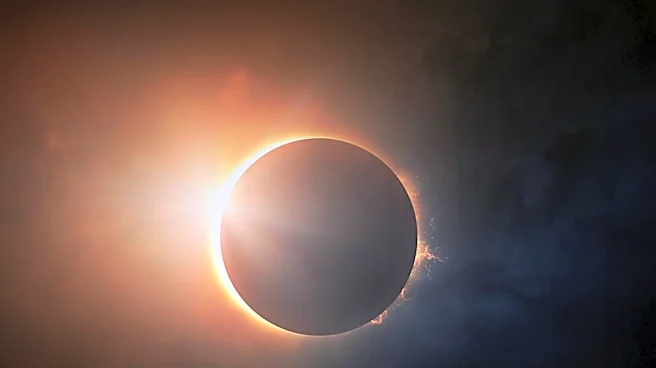
Massachusetts is set to experience three significant celestial events this August, providing a spectacle for sky watchers. The first event is a partial solar eclipse on August 12, where the moon will cover a portion of the sun. Although only a sixth of the sun will be
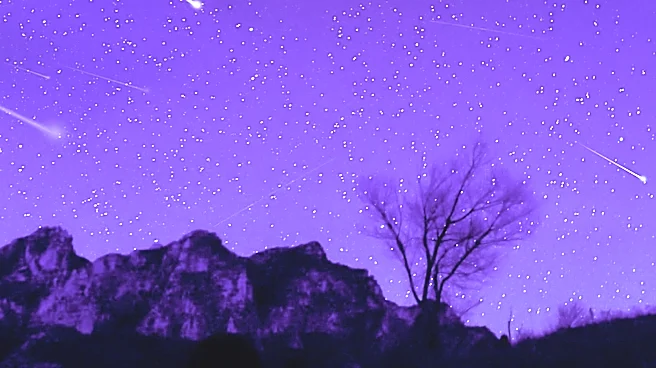
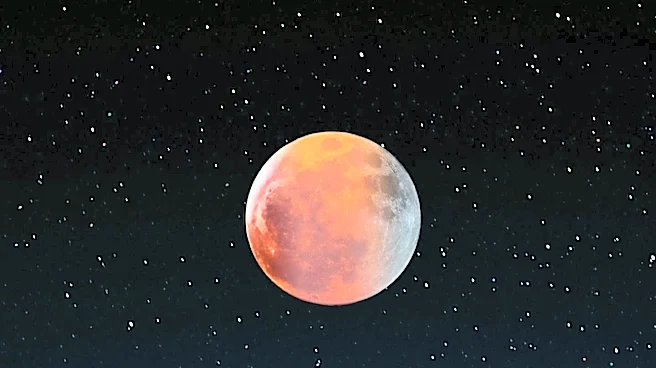
obscured, the event is still expected to captivate viewers. Kelly Beatty from Sky & Telescope advises using specialty eclipse glasses for safe viewing, or alternatively, using binoculars to project the eclipse onto a piece of paper. The second event is the Perseids meteor shower, peaking on the nights of August 12-13. This annual meteor shower, originating from the debris of the Swift-Tuttle comet, will be visible with potentially up to 100 meteors per hour in dark areas. Finally, a near-full lunar eclipse will occur on the night of August 27-28, with 96% of the moon covered by Earth's shadow, offering a chance to see the moon with a coppery hue.
Why It's Important?
These celestial events offer a unique opportunity for educational engagement and public interest in astronomy. The partial solar eclipse, while not as dramatic as a total eclipse, still provides a chance for people to learn about solar phenomena and safe viewing practices. The Perseids meteor shower is one of the most popular annual meteor showers, drawing attention to the wonders of space and the dynamics of cometary debris. The near-full lunar eclipse allows observers to witness the Earth's shadow on the moon, fostering interest in lunar and planetary science. These events can inspire both amateur and professional astronomers, as well as educators, to engage with the public and promote scientific literacy.
What's Next?
As these events approach, local observatories and astronomy clubs may organize viewing parties and educational sessions to maximize public engagement. Schools and educational institutions might incorporate these events into their science curricula, providing students with practical learning experiences. Media coverage and social media platforms are likely to amplify interest, encouraging more people to participate in these celestial observations. Additionally, the events could lead to increased sales of eclipse glasses and other viewing equipment, benefiting local businesses.