






What's Happening?
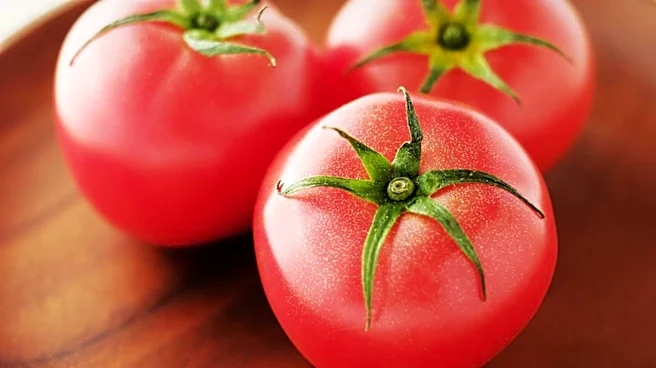
A recent exploratory randomized controlled trial published in the journal Nutrients has found that a tomato-rich diet can significantly reduce hepatic steatosis in adults with metabolic dysfunction-associated steatotic liver disease (MASLD). The study
involved participants consuming 200 grams of raw tomatoes and 50 grams of tomato sauce daily for six weeks, compared to a control group on a tomato-free diet. The results showed a greater reduction in controlled attenuation parameter (CAP)-defined hepatic steatosis in the tomato group, with a median decline of 35 dB/m compared to 18 dB/m in the control group. The study highlights the potential of tomatoes, a key component of the Mediterranean diet, in managing MASLD without significant weight or metabolic changes.
Why It's Important?
The findings of this study are significant as they suggest a dietary intervention that could aid in the management of MASLD, a prevalent chronic liver disease linked to obesity and cardiometabolic dysfunction. By identifying specific foods like tomatoes that can reduce liver fat without major weight loss, the study provides a potential strategy for improving liver health. This could have broader implications for dietary guidelines and public health strategies aimed at reducing the burden of liver diseases. The study also underscores the importance of dietary components in managing chronic health conditions, potentially influencing future research and dietary recommendations.
What's Next?
Future research is needed to confirm these findings in larger, longer-term trials to determine the clinical significance of the CAP reduction and to explore the underlying mechanisms of tomato bioactives. Such studies could lead to more targeted dietary recommendations for MASLD patients. Additionally, the role of tomatoes in liver health could prompt further investigation into other dietary components of the Mediterranean diet and their health benefits.