
What's Happening?
Montana has joined a growing list of states seeking to restrict the purchase of certain food items under the Supplemental Nutrition Assistance Program (SNAP). The state, with the support of U.S. Department
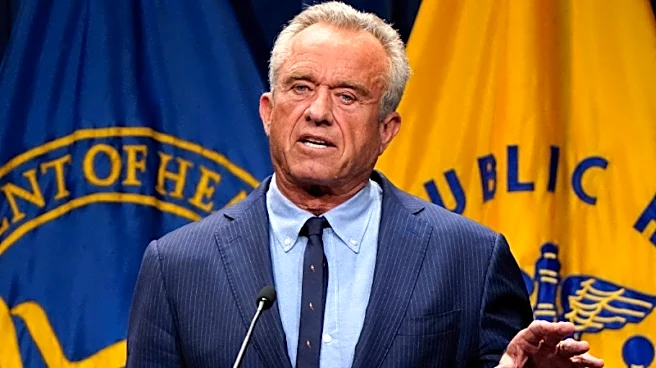
of Agriculture (USDA) Secretary Brooke L. Rollins and Governor Greg Gianforte, has submitted a waiver request to prohibit the purchase of soft drinks and candy using SNAP benefits. This move aligns with a broader national effort under the 'Make America Healthy Again' agenda, led by Health Secretary Robert F. Kennedy Jr., to promote healthier eating habits among low-income individuals. Currently, SNAP allows recipients to purchase a wide range of grocery items, but excludes alcohol, tobacco, and hot prepared meals. The proposed restrictions aim to add sugary drinks and confectionery to this list. Twenty-two other states have already received approval for similar modifications.
Why It's Important?
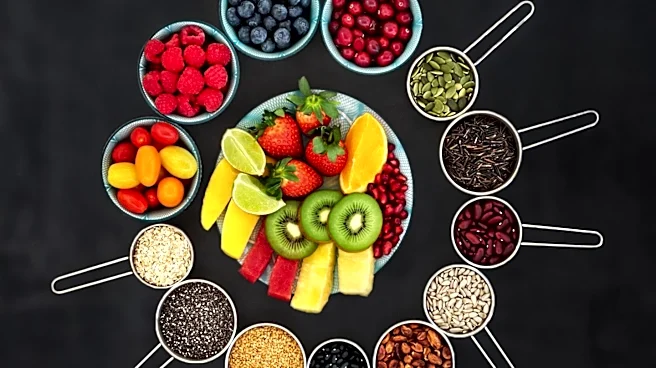
The proposed changes to SNAP are significant as they reflect a shift towards promoting healthier eating habits among low-income populations. By restricting the purchase of sugary foods and drinks, the initiative aims to reduce health issues such as obesity and diabetes, which are prevalent in low-income communities. Supporters argue that taxpayer money should not subsidize unhealthy food choices, while critics warn that these restrictions could stigmatize SNAP recipients and complicate the shopping process. The changes could also impact retailers, particularly smaller ones, who may face operational challenges due to varying state regulations. The debate highlights the tension between public health objectives and the autonomy of individuals in making personal food choices.
What's Next?
As Montana awaits federal approval for its waiver request, the outcome could influence other states considering similar measures. If approved, the restrictions could lead to further legal challenges from SNAP recipients and advocacy groups who argue that the changes are discriminatory and confusing. Retailers may also need to adapt to new regulations, potentially affecting their operations and customer interactions. The USDA's response to ongoing litigation and the broader public reaction will be crucial in determining the future of SNAP policy changes.