
What's Happening?
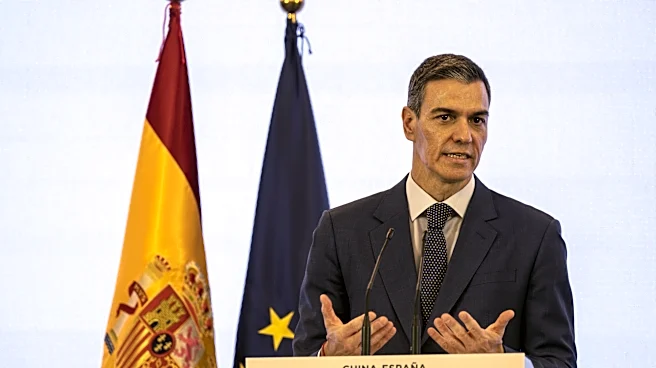
The Spanish government, alongside 20 other countries, has initiated a global call to action against obesity, committing to reduce national obesity rates by 5% by 2030. This initiative, launched in collaboration
with the World Health Organization (WHO) and UNICEF, addresses the growing global health crisis where over one billion people currently live with obesity, and school-aged children with obesity now outnumber those who are underweight. WHO Director-General Dr. Tedros Adhanom Ghebreyesus emphasized the pandemic-like scale of obesity. The strategy involves a three-tiered approach: population-wide prevention through measures like taxes on sugary drinks, clear food labels, marketing limits on unhealthy foods for children, and healthy school food; early intervention for high-risk individuals; and accessible, stigma-free care for those living with obesity. Spanish Health Minister Dr. Mónica García Gómez highlighted Spain's integrated approach, involving 18 government ministers to implement its national plan to reduce childhood obesity, recognizing that childhood obesity is influenced by environmental factors beyond individual choices.
Why It's Important?
This global initiative underscores a significant shift in how countries are addressing obesity, moving from individual responsibility to a comprehensive public health strategy. The commitment from Spain and 20 other nations, including Bahrain, Brazil, Mexico, and South Africa, signals a recognition of obesity as a complex disease and a major public health challenge. The proposed measures, such as taxes on sugary drinks and restrictions on marketing unhealthy foods to children, could set precedents for public health policy globally, potentially influencing dietary habits and food industry practices. For the U.S., while not explicitly mentioned as a participant in this specific call to action, the global momentum could pressure similar policy considerations, especially given the high rates of obesity within the country. The focus on environmental factors and integrated governmental approaches could inspire broader, multi-sectoral strategies to tackle obesity, impacting healthcare systems, food production, and urban planning.
What's Next?
The participating countries are now tasked with implementing the three-tiered strategy to achieve their 5% obesity reduction target by 2030. This will involve developing and enforcing policies related to food taxation, labeling, marketing, and school nutrition. The success of these initial 21 countries will likely be closely monitored by international health organizations and other nations, potentially leading to wider adoption of similar strategies. The World Obesity Federation has welcomed this commitment, indicating a unified front in the global health community. Future steps will include ongoing monitoring and evaluation of the implemented policies, sharing best practices among participating nations, and potentially expanding the initiative to include more countries. The focus on childhood obesity suggests that long-term public health outcomes will be a key metric for success, with efforts to create healthier environments for children to grow up in.
Beyond the Headlines
The initiative's emphasis on addressing obesity as a 'complex disease' and a form of malnutrition, rather than solely a lifestyle choice, represents a crucial paradigm shift. This reframing has profound ethical and societal implications, potentially reducing the stigma associated with obesity and advocating for more compassionate and effective healthcare interventions. By involving multiple government ministries, Spain's approach to childhood obesity highlights the interconnectedness of various societal factors—such as economic affordability of healthy food, safe spaces for physical activity, and equitable opportunities—in shaping public health outcomes. This holistic view challenges traditional siloed approaches to health policy and could foster greater inter-ministerial collaboration globally. The long-term impact could extend to legal frameworks concerning food advertising and production, potentially leading to stricter regulations on industries contributing to unhealthy food environments, and fostering a more equitable and health-conscious society.