





What's Happening?
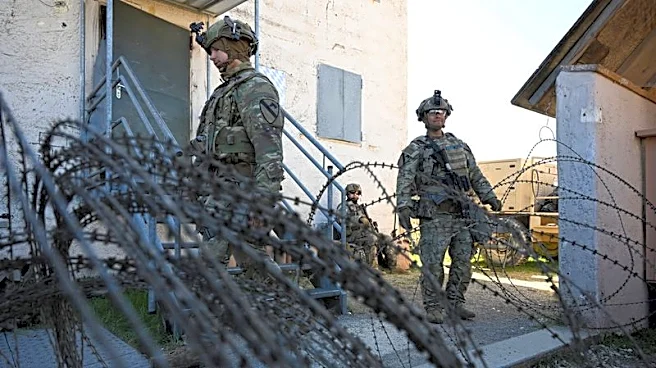
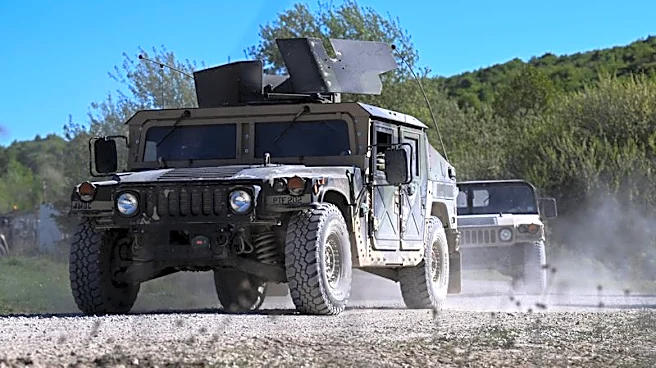
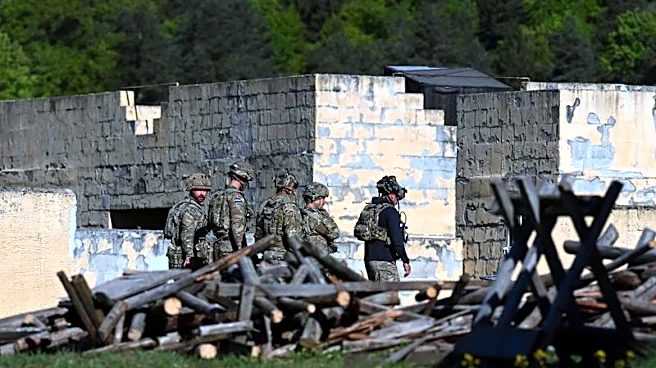
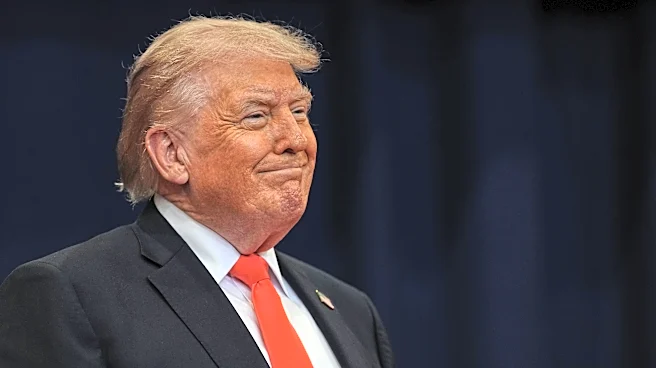
The Pentagon has announced a decision to withdraw 5,000 U.S. troops from Germany, a move that has intensified tensions between Europe and President Trump. This decision follows a comprehensive review of the U.S. military's force posture in Europe, according
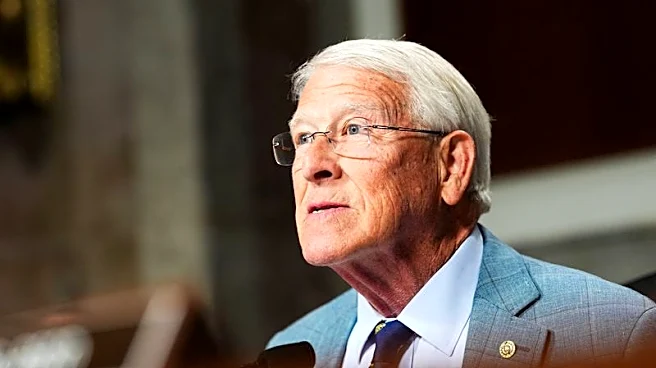
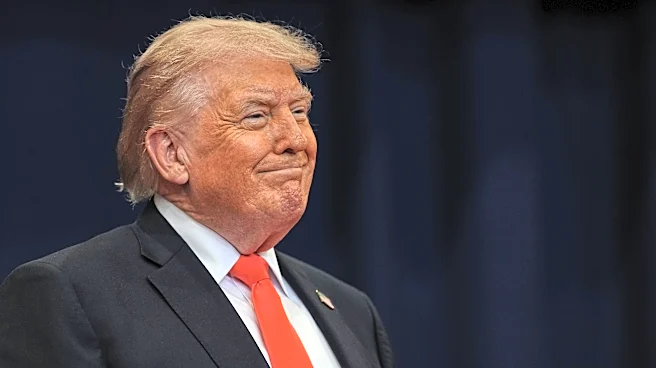
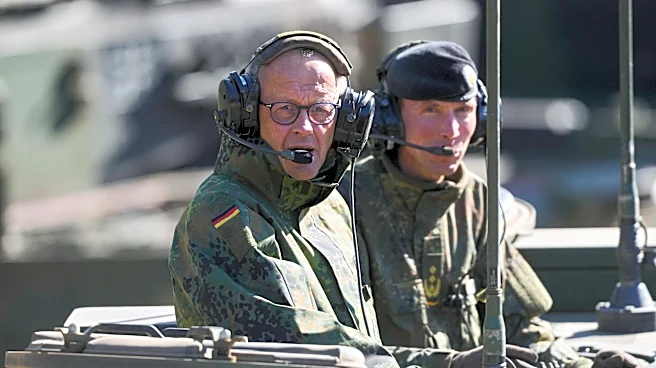
to Pentagon spokesperson Sean Parnell. The withdrawal is part of a broader strategy to reduce the U.S. military presence in Germany, which President Trump has indicated could go beyond the initial 5,000 troops. German Defense Minister Boris Pistorius acknowledged the drawdown, emphasizing the need for Europe to assume more responsibility for its own defense. The decision has faced bipartisan criticism in Washington, with concerns that it could weaken deterrence against Russian aggression and send the wrong message to Russian President Vladimir Putin.
Why It's Important?
The withdrawal of U.S. troops from Germany is significant as it underscores a shift in U.S. defense strategy and its commitment to European security. This move could potentially alter the balance of military power in Europe, prompting European nations to increase their defense spending and capabilities. The decision has raised concerns among NATO allies about the U.S.'s long-term commitment to the alliance, especially in the context of ongoing tensions with Russia. The reduction in troop numbers could also impact the operational readiness and strategic positioning of U.S. forces in Europe, affecting joint military exercises and rapid response capabilities. Additionally, the decision may influence U.S.-European relations, particularly in terms of defense cooperation and burden-sharing.
What's Next?
The withdrawal is expected to take place over the next six to twelve months, with further reductions possible as indicated by President Trump. European nations, particularly Germany, may accelerate their defense initiatives to compensate for the reduced U.S. presence. NATO is working with the U.S. to understand the implications of this decision and to ensure continued security cooperation. In the U.S., Congress is likely to scrutinize the decision, with lawmakers calling for a review and coordination with the Pentagon to assess its impact on U.S. deterrence and trans-Atlantic security. The situation may also prompt discussions within NATO about the future of the alliance and the distribution of defense responsibilities among member states.
Beyond the Headlines
The troop withdrawal decision highlights broader geopolitical dynamics, including the U.S.'s evolving foreign policy priorities and its approach to international alliances. It raises questions about the future of U.S. military engagements abroad and the potential for a more isolationist stance. The move could also influence European defense policies, prompting a reevaluation of military strategies and alliances. Additionally, the decision may have economic implications, particularly for regions in Germany that host U.S. military bases, affecting local economies and employment. The situation underscores the complex interplay between military strategy, international relations, and domestic politics in shaping global security landscapes.