




What's Happening?
Nigeria is projected to have the highest number of homeless people among African countries by 2025, with an estimated 4.5 million individuals, according to the World Population Review. This figure is based on a total population of 233.34 million. The
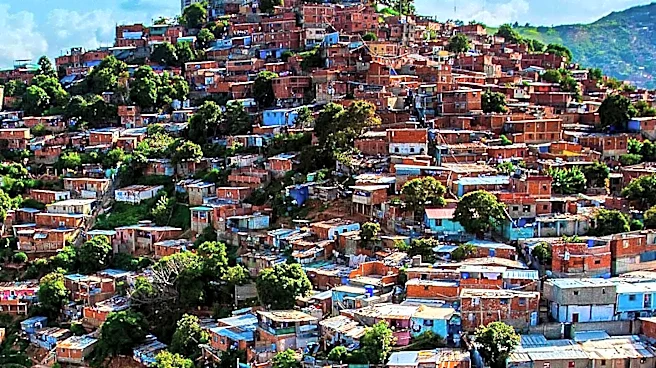
report highlights significant disparities in homelessness across African nations, considering both absolute numbers and the proportion relative to the total population. In Nigeria, major cities like Lagos, Abuja, and Kano are particularly affected. In Lagos, neighborhoods such as Oshodi, Ajegunle, Ketu, Shomolu, and Obalende are home to people living on the streets, under bridges, or in informal settlements. This situation is often driven by unaffordable rents and internal migration from neighboring states in search of better opportunities. Waterfront communities like Makoko also feature stilt houses where families reside without secure tenure or access to basic sanitation. Similar patterns of street homelessness and overcrowded informal housing are observed in other major Nigerian cities.
Why It's Important?
The escalating homelessness crisis in Nigeria underscores profound socio-economic challenges with significant implications for national stability and development. The sheer number of people without adequate shelter, particularly in urban centers, strains public services and infrastructure, leading to increased health risks, crime rates, and social instability. The root causes, including rapid urbanization, inadequate housing, economic inequality, and internal migration, reflect systemic issues that hinder sustainable development. This situation can exacerbate poverty cycles, as homeless individuals often lack access to education, healthcare, and stable employment, perpetuating intergenerational disadvantage. For the U.S., while not directly impacted, such widespread humanitarian crises in key African nations can contribute to regional instability, potentially influencing foreign policy considerations, aid initiatives, and international development efforts aimed at fostering stability and economic growth in Africa. The crisis also highlights the global challenge of homelessness, which, if unaddressed, can undermine international development goals and human rights standards.
What's Next?
Addressing Nigeria's severe homelessness crisis will require multi-faceted interventions from both governmental and non-governmental organizations. Immediate actions may include the establishment of more emergency shelters and the provision of basic necessities for those living on the streets. In the medium to long term, there is a critical need for comprehensive urban planning strategies that prioritize affordable housing development, particularly in rapidly urbanizing areas like Lagos, Abuja, and Kano. This could involve public-private partnerships to construct low-cost housing units and implement rent control measures. Additionally, policies aimed at reducing economic inequality and creating sustainable employment opportunities are crucial to tackle the root causes of homelessness. Efforts to improve access to education and healthcare for vulnerable populations will also be essential. International organizations and donor countries may increase their support for housing initiatives and social welfare programs in Nigeria, recognizing the humanitarian and developmental implications of such widespread homelessness.
Beyond the Headlines
The homelessness crisis in Nigeria extends beyond mere lack of shelter, revealing deeper societal fissures and ethical dilemmas. The prevalence of informal settlements and street living highlights a significant failure in urban governance and social protection systems, where a large segment of the population is excluded from basic human rights like adequate housing. This situation raises ethical questions about equitable resource distribution and the responsibilities of the state to its most vulnerable citizens. Culturally, the crisis can erode community structures and traditional support networks, as families and individuals are displaced and forced into precarious living conditions. The long-term implications include a potential increase in social unrest and a decline in overall public health, as overcrowded and unsanitary living conditions become breeding grounds for disease. Moreover, the crisis underscores the urgent need for a paradigm shift in development strategies, moving beyond economic growth metrics to prioritize inclusive development that ensures basic living standards for all, thereby fostering a more just and stable society.