
What's Happening?
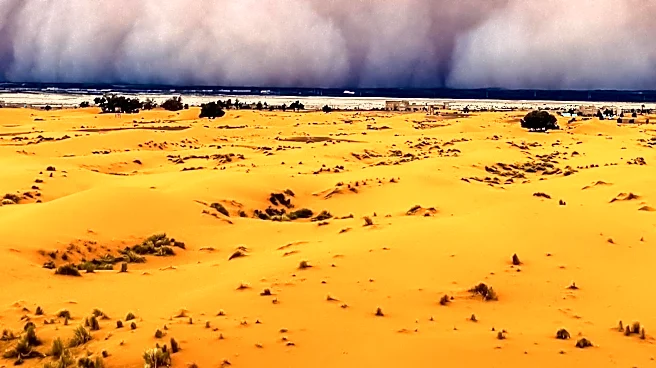
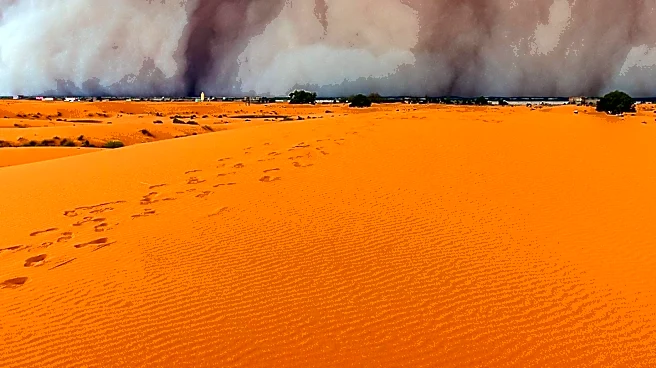
Phoenix experienced two unusually intense haboob dust storms this week, marking some of the most severe events in recent years. These storms, characterized by massive walls of dust and debris, were classified as Category 5 events, the highest on the dust storm severity
scale developed by Arizona State University. The storms reduced visibility to half a mile but occurred late at night, minimizing traffic disruptions. Meteorologist Matt Salerno noted that the storms' timing helped avoid significant impacts. The Phoenix region's drier-than-normal conditions have contributed to the increased dust levels, with scientists suggesting that climate change may be exacerbating the frequency and intensity of such storms.
Why It's Important?
The occurrence of back-to-back Category 5 dust storms in Phoenix highlights the growing environmental challenges faced by the region. These storms pose significant risks to public safety, particularly for drivers and individuals with respiratory issues. The events underscore the potential impact of climate change on weather patterns, as increased drought conditions can lead to more frequent and severe dust storms. This situation calls for enhanced preparedness and response strategies to mitigate the effects on the community and infrastructure. The storms also serve as a reminder of the broader implications of climate change on urban areas in the U.S. Southwest.
What's Next?
As the region continues to experience drier conditions, the likelihood of future intense dust storms remains high. Local authorities and meteorologists may need to develop more robust warning systems and public awareness campaigns to ensure community safety. Additionally, researchers might focus on studying the long-term impacts of climate change on dust storm frequency and severity, potentially influencing policy decisions related to environmental management and urban planning in the Southwest.