







What's Happening?
The International Renewable Energy Agency (IRENA) estimates that the renewable energy sector could generate over 40 million jobs globally by 2030. This projection suggests that job creation in renewables will significantly outpace any job losses in the fossil
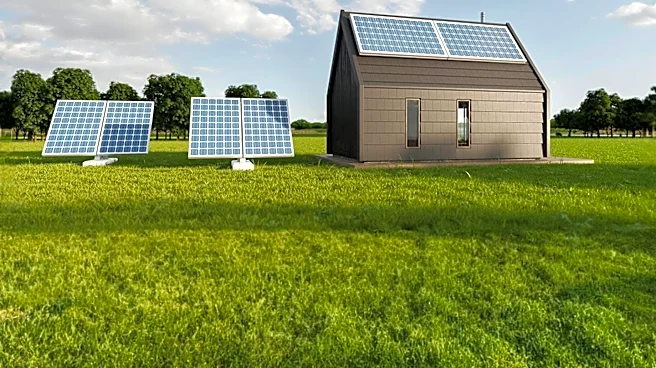
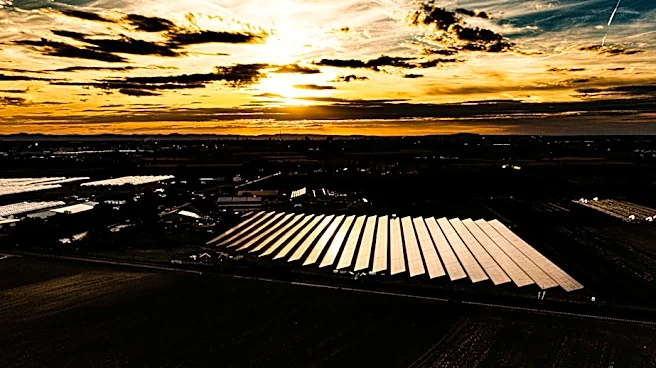
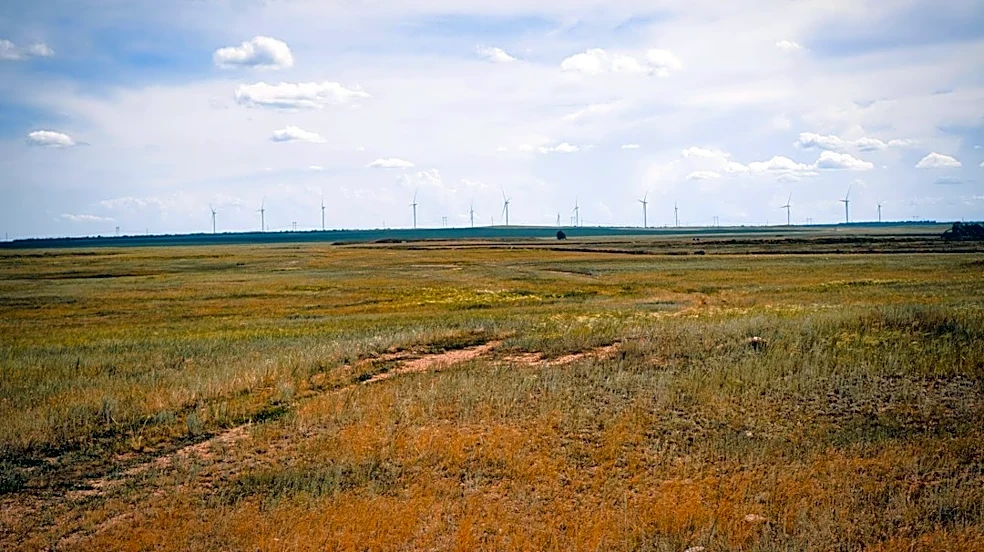
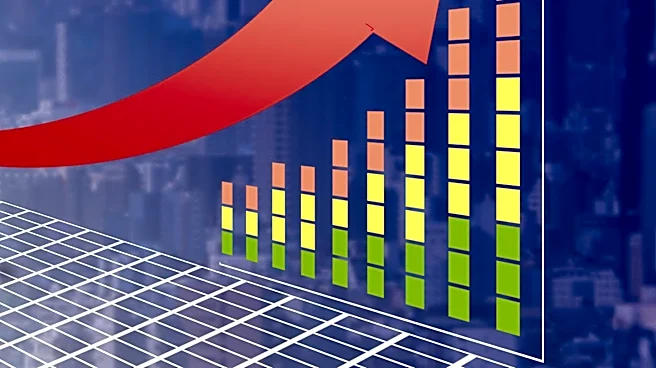
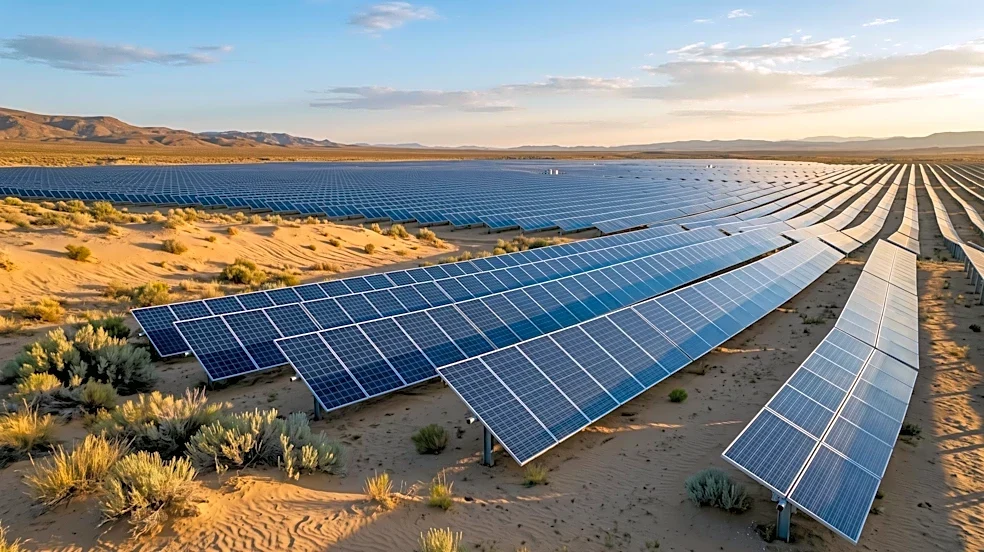
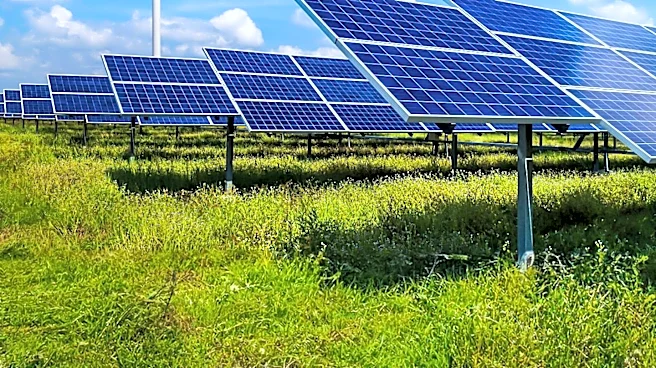
fuel sectors. The shift towards renewable energy is transforming economies, particularly in regions historically reliant on coal and oil, by fostering inclusive growth. Solar photovoltaics are at the forefront of this transformation, becoming the most cost-effective source of new electricity generation in many parts of the world. A 2024 report by the International Energy Agency (IEA) indicates that solar capacity has grown at a compound annual rate exceeding 20% over the last decade, now contributing more than 5% of global electricity output. This expansion is largely due to a more than 90% reduction in solar panel prices since 2010, making large-scale solar projects financially competitive without subsidies. Wind energy, both onshore and offshore, is also rapidly expanding, with advancements in turbine design boosting efficiency and reducing costs.
Why It's Important?
This projected growth in renewable energy jobs and the increasing competitiveness of clean energy sources have significant implications for the U.S. economy and workforce. The U.S. Inflation Reduction Act, which provides hundreds of billions in tax incentives for clean energy, aligns with this global trend, aiming to stimulate domestic renewable energy development and job creation. As regions diversify their economies away from fossil fuels, the U.S. has an opportunity to lead in manufacturing, installation, and research and development within the renewable sector. This shift can create new economic opportunities and enhance energy independence, reducing reliance on volatile global energy markets. Furthermore, the affordability and reliability of renewable power, as highlighted by Dr. Fatih Birol, Executive Director of the IEA, can lead to lower energy costs for consumers and businesses, fostering economic stability and growth. The emphasis on decentralized renewable systems also offers potential for improving energy access and economic opportunities in underserved communities across the U.S.
What's Next?
The path forward for the U.S. and other nations involves coordinated action across governments, industries, and civil society to further accelerate the renewable energy transition. Key next steps include scaling next-generation energy storage solutions, expanding high-voltage transmission networks, and increasing research into advanced technologies like green hydrogen and nuclear fusion. Policy frameworks will need to prioritize long-term sustainability over short-term gains, ensuring that the benefits of renewable energy are distributed equitably across all populations. Addressing supply chain bottlenecks, particularly for critical minerals, and diversifying sourcing will be crucial to mitigate geopolitical risks and ensure continued growth. The U.S. will likely continue to invest in infrastructure modernization and market reforms to incentivize private capital investment in renewable energy and grid flexibility, aiming to maintain energy affordability and strengthen social and environmental protections.
Beyond the Headlines
The profound economic and social changes driven by the renewable energy revolution extend beyond immediate job creation and cost savings. This transition represents a fundamental shift in how civilization powers itself, moving towards a more resilient and sustainable energy future. The ethical dimension involves ensuring a 'just transition' for workers and communities currently dependent on fossil fuel industries, providing retraining and new opportunities in the green economy. Culturally, there's a growing societal acceptance and demand for clean energy, influencing consumer choices and corporate strategies. The long-term implications include enhanced national security through reduced dependence on foreign energy sources, improved public health due to decreased air pollution, and a more stable climate. The integration of artificial intelligence and smart grid technologies will further optimize energy distribution and consumption, leading to a more efficient and interconnected energy system that can adapt to future challenges and opportunities.