





What's Happening?
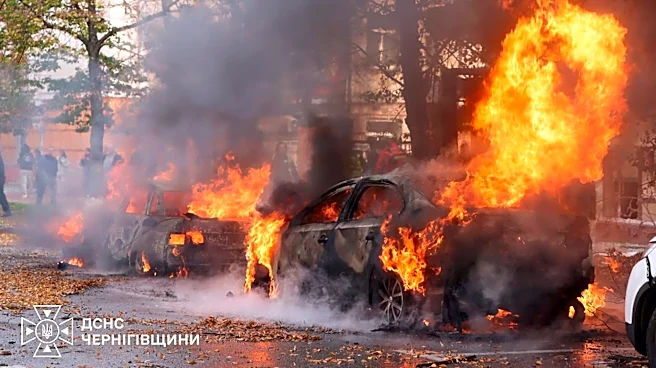
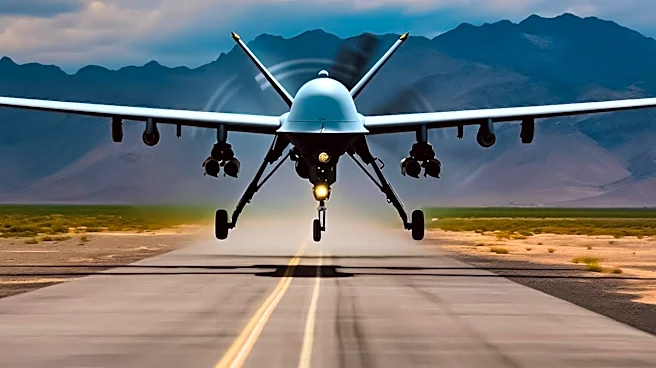
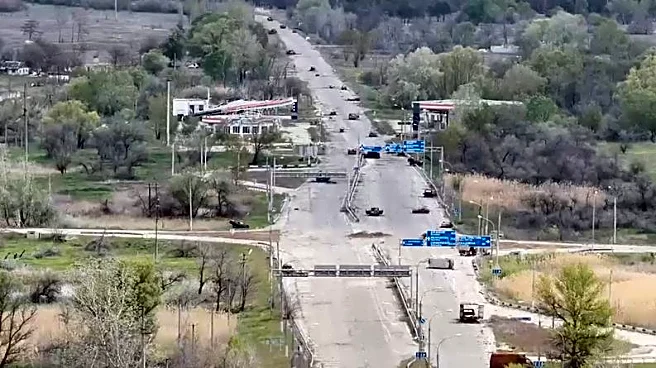
Ukraine has reportedly begun using autonomous weapons systems to seize and maintain control of territory, marking a significant development in modern warfare. The conflict in Ukraine has seen a rapid evolution in the use of drones and artificial intelligence,
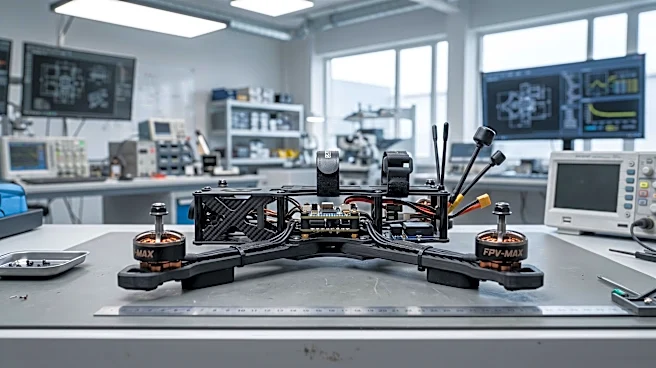
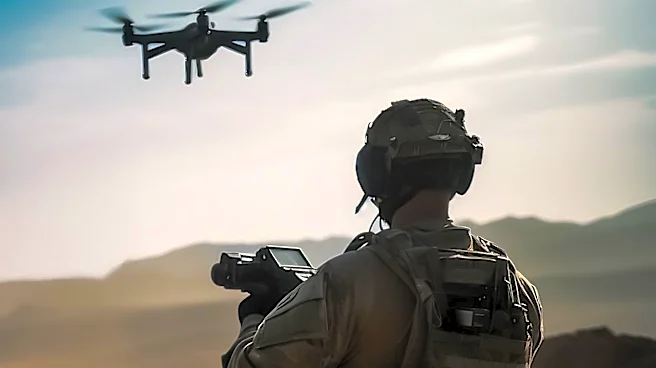
making traditional battlefield operations challenging for large military formations. These autonomous drones are being utilized for a range of missions, including surveillance, defense, and search-and-destroy operations. This technological advancement has allowed Ukrainian forces, despite being outnumbered, to effectively counter Russian advances. The deployment of these systems suggests a potential shift in military strategy, where technology could help alleviate manpower shortages and enable new offensive tactics. The use of mass-produced, inexpensive drones is altering the economic and ethical considerations of warfare, potentially extending conflict timelines by reducing human casualties and the cost of engagement.
Why It's Important?
The deployment of autonomous weapons systems by Ukraine carries significant implications for the future of warfare and international security. This development demonstrates how smaller nations can leverage advanced technology to challenge larger military powers, potentially reshaping global power dynamics. The reduced cost and increased effectiveness of these systems could make conflicts more sustainable politically and economically, leading to prolonged engagements. This shift also raises profound ethical questions about the nature of war, particularly concerning accountability and the potential for increased civilian harm if such systems are used indiscriminately. For the United States, this highlights the urgent need to adapt its military strategies and ethical frameworks to account for the proliferation of autonomous warfare capabilities, influencing defense spending, research, and international arms control discussions.
What's Next?
The continued integration of autonomous weapons systems into the Ukrainian conflict is likely to prompt further innovation and counter-development from both sides. Russia may accelerate its own efforts to deploy similar technologies, potentially leading to a technological arms race on the battlefield. Policymakers globally will face increased pressure to address the ethical and legal frameworks surrounding autonomous weapons, including discussions on international regulations and limitations. The effectiveness of these systems in taking and holding ground could also influence military doctrines worldwide, with other nations exploring similar deployments. This could lead to a re-evaluation of traditional military structures and a greater emphasis on technological superiority in future defense strategies. The long-term impact on peace negotiations and conflict resolution remains uncertain, as the perceived sustainability of war could alter incentives for diplomatic solutions.
Beyond the Headlines
The emergence of affordable attrition through mass-produced, inexpensive autonomous systems presents a complex ethical dilemma. While these technologies can reduce human casualties for combatants, they also risk making war more politically palatable and less subject to public scrutiny. The 'gamification' of conflict, where drone footage resembles video games, could desensitize the public to the realities of war, diminishing a critical check on political leaders. This could lead to a future where moral justifications for conflict become secondary to technological capability and perceived sustainability. For democratic nations like the U.S., this necessitates a re-evaluation of congressional oversight on warmaking authorities and a demand for greater public transparency and moral justification for military engagements, ensuring that technological advancements do not erode accountability or the ethical considerations of war.