




What's Happening?
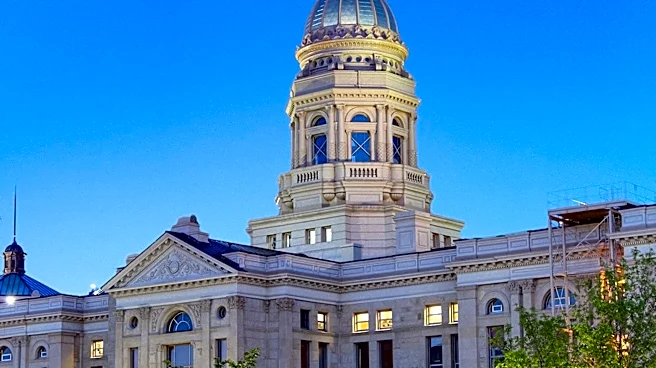
The Wyoming Supreme Court has issued a mixed ruling regarding a lower court's finding that the state has chronically and unconstitutionally underfunded public schools. The court partly affirmed and partly reversed the previous decision. Justices ruled
that the Wyoming Legislature failed to adequately address inflation and the true cost of teacher salaries in its school funding models, which created disparities among school districts and violated students' fundamental right to an adequate public education. This decision stems from a lawsuit filed in 2022 by the Wyoming Education Association and eight school districts. However, the Supreme Court reversed mandates for the Legislature to fund computers for every student, nutrition services, and school resource officer programs. It also stated that the state is not required to conduct a statewide assessment of school facilities for educational suitability, granting the state discretion in prioritizing school facility repair and replacement. Governor Mark Gordon acknowledged the clarity provided by the decision and emphasized the need for a sustainable, durable, transparent, and constitutionally sound school finance model.
Why It's Important?
This ruling is significant for public education in Wyoming, as it reaffirms the state's constitutional obligation to provide adequate and equitable funding for its schools. The court's finding that the Legislature failed to account for inflation and teacher salaries highlights a critical issue affecting the quality of education and the ability of school districts to attract and retain qualified educators. The disparities between districts, as noted by the court, could lead to unequal educational opportunities for students across the state. While the court provided some flexibility to the Legislature by reversing certain mandates, the core requirement to address underfunding remains. This decision could lead to substantial changes in how Wyoming allocates resources to its public schools, potentially impacting local property taxes, state budgets, and the overall educational landscape. The Governor's statement indicates a commitment to working with the Legislature to implement the necessary changes, aiming for a long-term solution that benefits both schools and taxpayers.
What's Next?
Following the Wyoming Supreme Court's ruling, the Legislature is expected to recalibrate the state's school funding model. Governor Mark Gordon has expressed confidence that the Legislature will approach this issue carefully, collaboratively, and in good faith, aiming to build a sustainable system that can withstand fluctuations in state revenues. This process will likely involve reviewing current funding formulas, assessing the true costs of education, and developing mechanisms to account for inflation and competitive teacher salaries. The court's decision to grant the state discretion on school facility assessments and funding for specific programs means the Legislature will have to prioritize these areas within its revised budget. Stakeholders, including the Wyoming Education Association and individual school districts, will likely monitor the legislative process closely to ensure that the new funding model adequately addresses the issues raised in the lawsuit and fulfills the constitutional right to an adequate public school education. The outcome will shape the future of public education funding in Wyoming for years to come.
Beyond the Headlines
The Wyoming Supreme Court's decision delves into the fundamental question of educational equity and the state's responsibility to its youngest citizens. Beyond the immediate financial implications, the ruling underscores the ongoing tension between legislative discretion and judicial oversight in matters of public policy. The court's emphasis on the 'fundamental right to an adequate public school education' highlights a broader societal value placed on accessible and quality education. This case could serve as a precedent for other states grappling with similar school funding challenges, particularly concerning inflation and teacher compensation. The long-term shifts triggered by this development could include a re-evaluation of educational priorities, increased public engagement in school finance discussions, and potentially a more robust and equitable educational system in Wyoming. The ethical dimension of ensuring every child has access to a quality education, regardless of their district's wealth, is at the heart of this legal battle, pushing the state towards a more just allocation of resources.