



What's Happening?
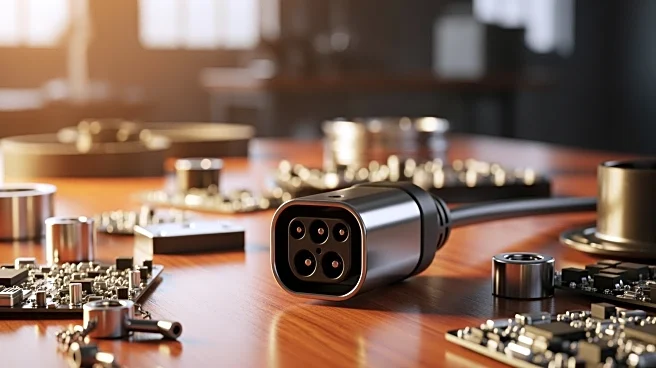
The Trump administration has proposed a new requirement that all federally funded electric vehicle (EV) chargers be manufactured entirely in the United States. This proposal aims to increase the domestic manufacturing threshold from the current 55% to 100%.
Transportation Secretary Sean Duffy stated that this move is intended to boost U.S. manufacturing and enhance national security by reducing reliance on foreign-made components that may have cybersecurity vulnerabilities. However, industry experts and EV advocates argue that achieving a 100% domestic production is nearly impossible, as chargers consist of numerous components, many of which are sourced internationally. The proposal is currently open for public comment and has raised concerns about its potential to disrupt the National Electric Vehicle Infrastructure (NEVI) program, a $5 billion initiative from the Biden era aimed at expanding EV charging infrastructure across the country.
Why It's Important?
The proposed requirement could significantly impact the U.S. EV industry and its efforts to expand charging infrastructure. If implemented, the rule may hinder the progress of the NEVI program by imposing stringent manufacturing conditions that current U.S. factories cannot meet. This could lead to delays and increased costs for state departments of transportation responsible for building these stations. The proposal also reflects ongoing political tensions over domestic manufacturing policies and the balance between national security and economic growth. While the intention is to stimulate U.S. manufacturing, the feasibility of such a requirement is questioned by industry stakeholders, who fear it could stall advancements in EV infrastructure and undermine years of investment.
What's Next?
The proposal is in the public comment phase, allowing stakeholders to express their views and concerns. The outcome of this period will determine whether the rule is implemented as proposed or modified to address industry feedback. State departments of transportation and EV manufacturers are likely to lobby for more achievable standards that support both domestic manufacturing and the expansion of EV infrastructure. The administration's decision will have lasting implications for the U.S. EV market and its ability to compete globally. Additionally, the proposal may prompt further legislative and legal challenges, particularly from states and companies that stand to be most affected by the new requirements.