






What's Happening?
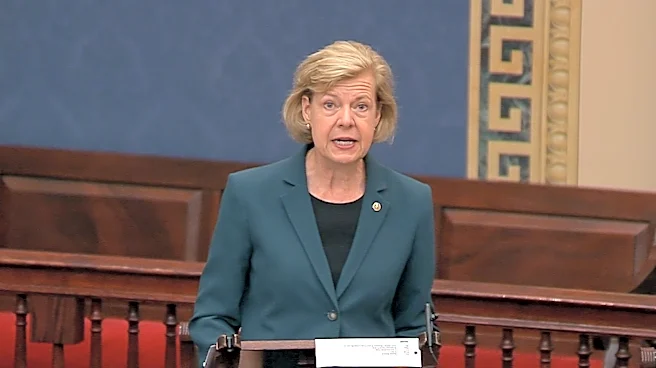
The U.S. Senate has voted to overturn a mining ban in Minnesota's Superior National Forest, a decision that could have significant national implications. By employing the Congressional Review Act, lawmakers have opened the forest for mining, challenging
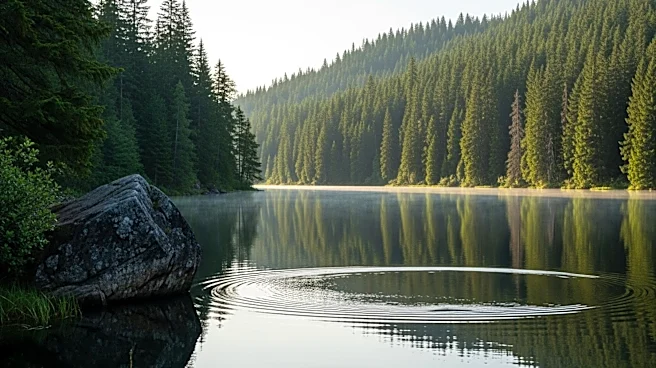
the validity of numerous U.S. Forest Service management plans. This move could lead to legal chaos, affecting thousands of permits related to logging, grazing, mining, and outdoor recreation. The decision has sparked debate over the potential environmental impact, particularly concerning the pristine waters of the Boundary Waters Canoe Area Wilderness. Proponents argue the mining project will create jobs, while opponents fear environmental degradation.
Why It's Important?
This decision could set a precedent for how public lands are managed across the United States. By questioning the validity of existing management plans, the ruling could disrupt operations on millions of acres of public land, affecting industries reliant on these resources. The potential environmental impact on the Boundary Waters, a popular wilderness area, highlights the tension between economic development and environmental preservation. The legal uncertainty introduced by this decision could stall industrial operations and necessitate a reevaluation of decades of land management policies.
What's Next?
The resolution now awaits President Trump's signature. Legal challenges are expected, as opponents of the mining project, including environmental groups and some lawmakers, prepare to contest the use of the Congressional Review Act. The outcome of these challenges could influence future legislative and regulatory approaches to public land management.