




What's Happening?
Geriatric emergency departments (GEDs) are rapidly expanding across the United States, with 624 accredited units established since 2017, including 73 within Department of Veterans Affairs medical centers. These specialized ERs are designed to address
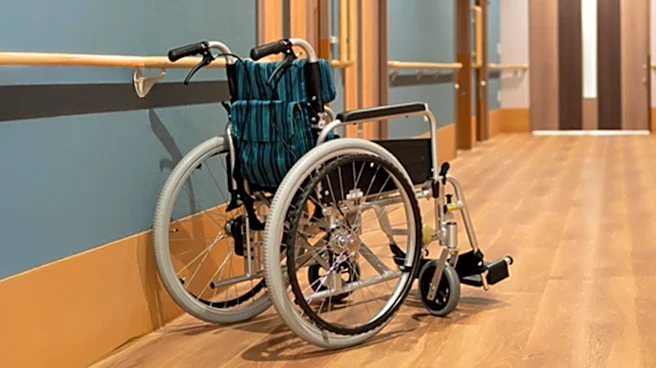
the unique needs of older patients, incorporating senior-friendly practices and protocols to prevent disorientation, falls, and other hazards common in elderly individuals. Unlike traditional ERs that focus on a single ailment, GEDs take a holistic approach, considering multiple chronic conditions, medication reviews, and cognitive assessments. Studies indicate that patients treated in GEDs have a 39% lower likelihood of hospital admission and a 38% reduction in mortality over 30 days, potentially saving Medicare up to $3,000 per visit.
Why It's Important?
The proliferation of geriatric emergency departments is a significant development in U.S. healthcare, addressing a critical gap in emergency care for the rapidly aging population. Older adults visit ERs at a high rate, yet standard emergency settings are often ill-equipped to handle their complex medical and social needs. GEDs mitigate risks such as delirium, falls, and prolonged 'boarding' (waiting for an inpatient bed), which can lead to worse outcomes and higher mortality rates for seniors. By focusing on comprehensive assessment, medication management, and environmental adaptations (like dimmable lights and sound-absorbing walls), GEDs improve patient safety and comfort. The demonstrated reduction in hospital admissions and mortality, along with cost savings, highlights the effectiveness and economic benefit of this specialized care model, making it a crucial component of future healthcare strategies.
What's Next?
The trend of establishing more geriatric emergency departments is expected to continue, driven by the aging demographic and the proven benefits of this care model. Healthcare providers and policymakers will likely face increasing pressure to implement or expand GEDs in their facilities. The American College of Emergency Physicians will continue its accreditation process, encouraging more hospitals to meet the criteria for senior-friendly emergency care. Further research may focus on optimizing GED protocols, expanding access in underserved areas, and integrating these units more seamlessly with post-discharge care to ensure continuity. Public awareness campaigns may also emerge, encouraging older adults and their families to seek out accredited GEDs for emergency medical needs.
Beyond the Headlines
The rise of geriatric emergency departments reflects a broader societal shift towards recognizing and addressing the specific needs of an aging population. This initiative goes beyond medical treatment, touching upon the ethical considerations of dignity, comfort, and quality of life for older adults in acute care settings. The success of GEDs challenges the traditional 'fix-it-fast' mentality of emergency medicine, advocating for a more patient-centered, comprehensive approach. It also highlights the economic burden of inadequate elder care, demonstrating that specialized, preventative measures can lead to significant cost savings in the long run. This model could inspire similar specialized care units for other vulnerable populations, fostering a more nuanced and compassionate healthcare system that adapts to the diverse needs of its patients.