





What's Happening?
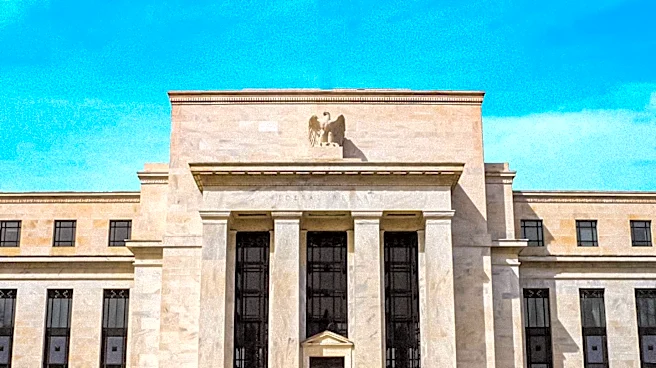
Congressman Paul Gosar, along with other lawmakers, is backing the Permanent CBDC Ban Act, introduced by Congressman Michael Cloud. This legislation aims to permanently prohibit the Federal Reserve from issuing a Central Bank Digital Currency (CBDC).
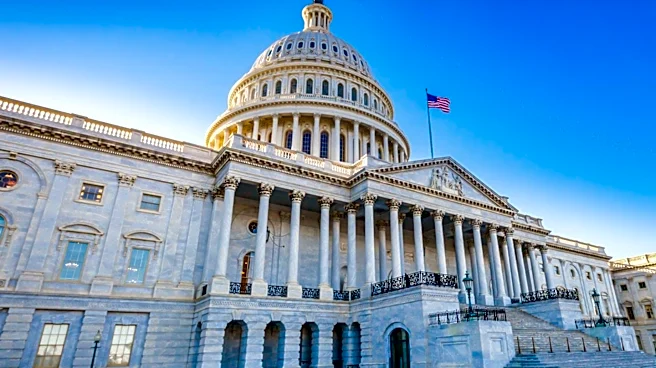
The bill is a response to concerns that a CBDC could lead to unconstitutional financial surveillance and grant excessive control over individual finances to the Federal Reserve. The act seeks to eliminate the temporary restriction set by the 21st Century Road to Housing Act, which would expire in 2030. Gosar and his colleagues argue that a CBDC would undermine financial privacy and freedom, posing a threat to civil liberties. The bill has garnered support from several representatives who emphasize the importance of safeguarding Americans' financial autonomy from potential government overreach.
Why It's Important?
The introduction of the Permanent CBDC Ban Act is significant as it addresses growing concerns about financial privacy and government control. A CBDC could potentially allow the government to monitor and restrict financial transactions, which many see as a threat to individual freedoms. By permanently banning the issuance of a CBDC, the legislation aims to protect citizens from what supporters describe as a 'dystopian' financial system. This move reflects broader apprehensions about digital currencies and their implications for privacy and liberty. The bill's support highlights a strong stance against expanding federal power over personal finances, resonating with those who prioritize financial independence and privacy.
What's Next?
If the Permanent CBDC Ban Act gains traction, it could lead to significant legislative debates about the role of digital currencies in the U.S. financial system. The bill will need to pass through various stages in Congress, including committee reviews and potential amendments, before it can become law. Stakeholders, including financial institutions and privacy advocates, may weigh in on the implications of such a ban. The outcome could influence future policies on digital currencies and financial technology, shaping how the U.S. approaches innovation in the financial sector while balancing privacy concerns.