



What's Happening?
The Philippines is actively seeking private sector investment to expand its first state-owned strategic petroleum reserve. Energy Secretary Sharon Garin announced this initiative, highlighting the country's vulnerability to international oil price volatility
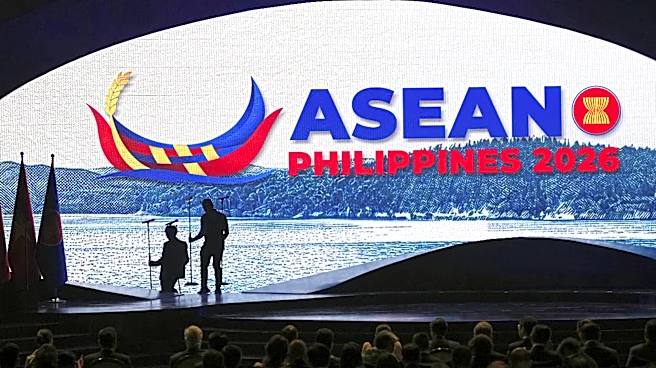
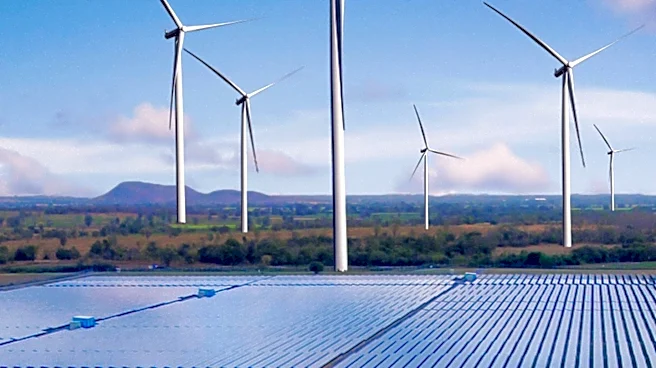
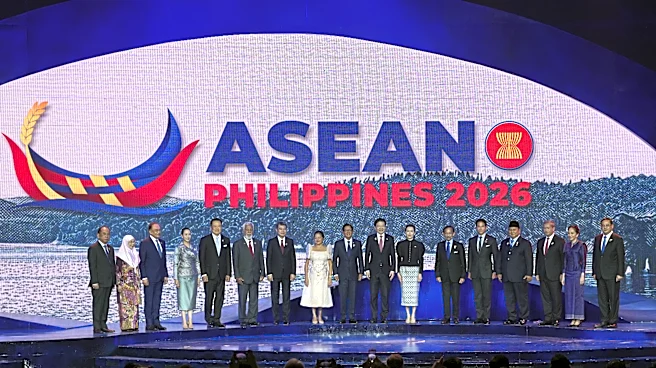
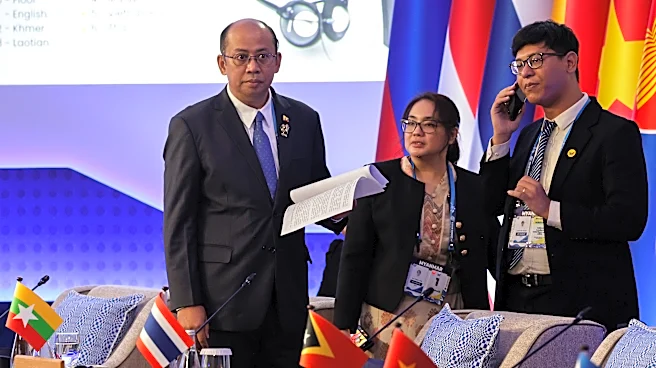
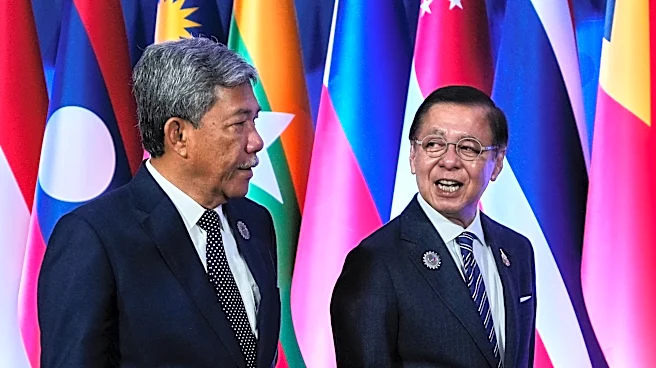
due to importing 98 percent of its petroleum requirements. The government is exploring options for additional storage infrastructure, including a potential new facility in Mindanao that could also accommodate refinery operations. This push for investment aims to bolster fuel security, enhance domestic energy infrastructure, and shield businesses and consumers from global oil supply disruptions. The development comes as ASEAN member states have completed the signing of the Enhanced Memorandum of Understanding (MoU) on the ASEAN Power Grid (APG), signifying a major step in regional energy cooperation under the Philippines' 2026 chairship. This broader regional agreement focuses on connecting national electricity networks and expanding cross-border power trading.
Why It's Important?
This initiative is crucial for the Philippines' energy security and economic stability. By reducing its reliance on imported oil and building up strategic reserves, the country can mitigate the impact of global oil price fluctuations and supply disruptions, which directly affect household expenses, factory operating costs, and government spending. Attracting private investment will not only provide the necessary capital for infrastructure development but also bring in expertise and efficiency in managing these critical assets. The expansion of petroleum reserves and potential refinery projects could create jobs, stimulate local economies, and foster greater energy independence. Furthermore, this move aligns with broader regional efforts under the ASEAN Power Grid, suggesting a coordinated approach to energy resilience in Southeast Asia, which could have long-term benefits for regional stability and economic integration.
What's Next?
The Philippine government will continue to engage with potential investors to secure partnerships for the expansion of its strategic petroleum reserve. This will likely involve detailed proposals, feasibility studies, and negotiations with private entities interested in energy infrastructure projects. The exploration of a new facility in Mindanao, potentially with refinery capabilities, indicates a long-term vision for enhancing domestic processing capacity. Concurrently, the Philippines, as the 2026 ASEAN Chair, will work with other member states to advance cross-border electricity trade and attract investments under the Enhanced MoU on the ASEAN Power Grid. These efforts will focus on translating the regional commitment into tangible projects that deliver reliable, affordable, and sustainable electricity across ASEAN nations, further integrating the region's energy markets.
Beyond the Headlines
The Philippines' drive to expand its strategic petroleum reserves reflects a growing global trend among nations to enhance energy resilience in an increasingly volatile geopolitical landscape. Beyond immediate economic benefits, this move could foster greater national security by reducing susceptibility to external pressures related to energy supply. The emphasis on private sector participation also signals a strategic shift towards leveraging market forces and private capital for critical national infrastructure, potentially setting a precedent for other developing nations. Ethically, ensuring equitable access to affordable energy for all citizens, especially in the face of global price shocks, is a key consideration. The integration of refinery operations within the reserve strategy also points to a more comprehensive approach to energy independence, moving beyond mere storage to include domestic processing capabilities, which could have significant long-term industrial and economic implications.