
What's Happening?
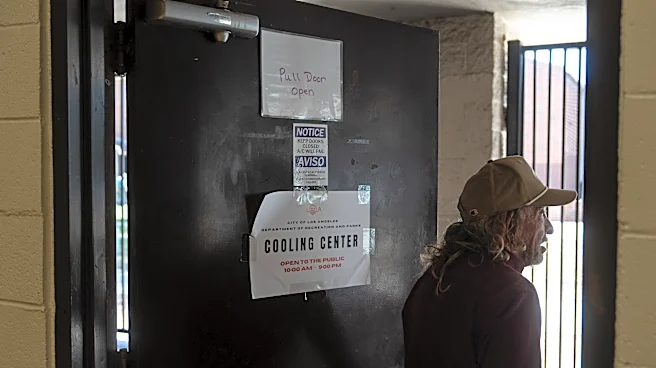
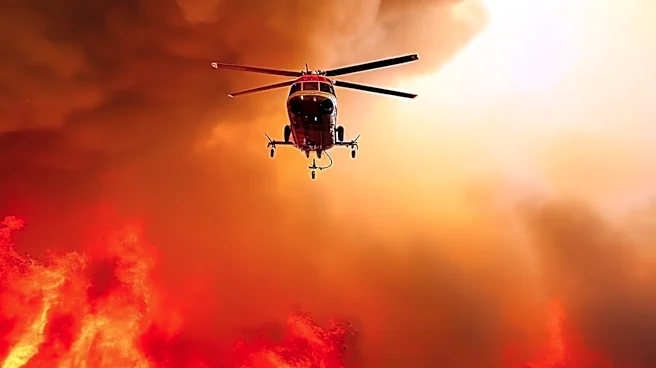
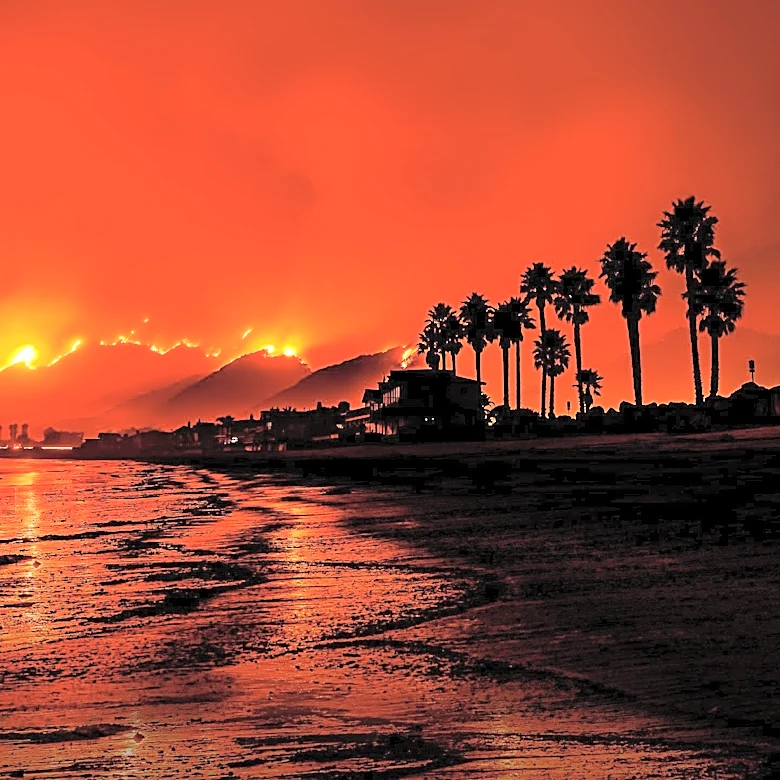
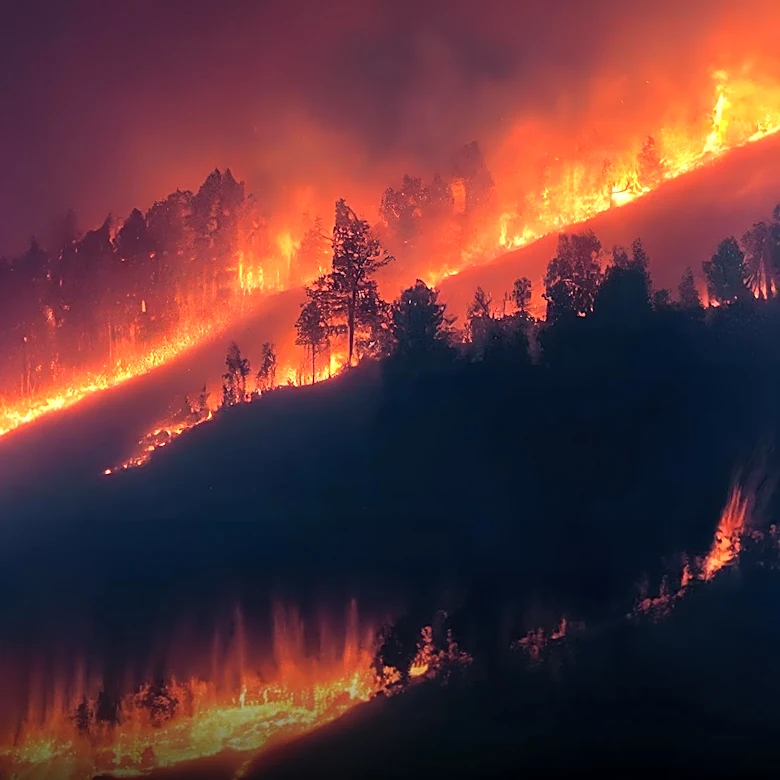
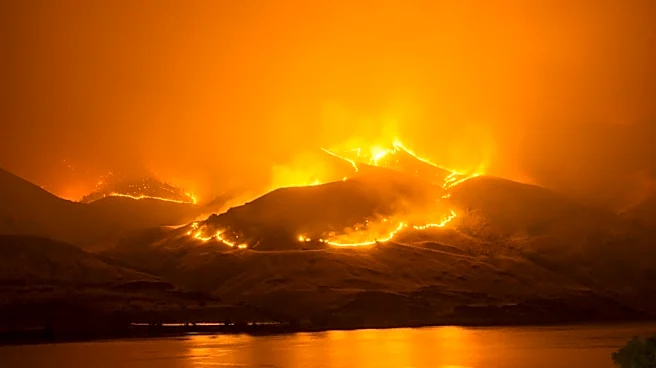
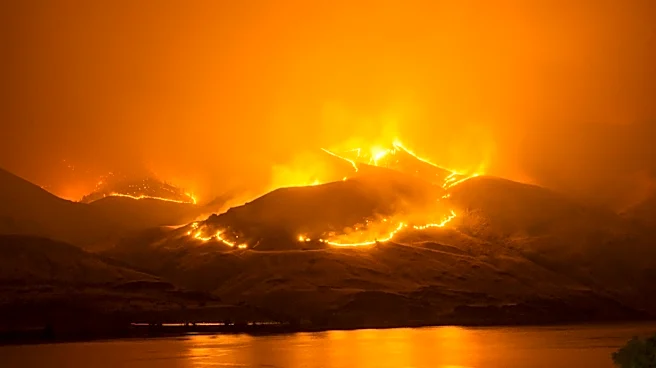
A severe heatwave is affecting the western United States, significantly increasing the risk of hazardous fire conditions, particularly in Oregon and Washington. The National Weather Service has predicted extreme temperatures ranging from 110F to 120F
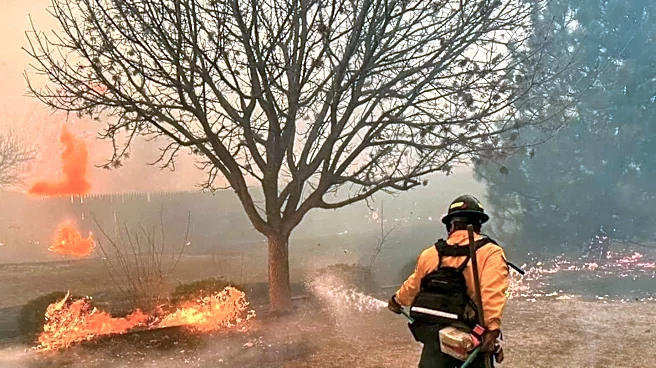
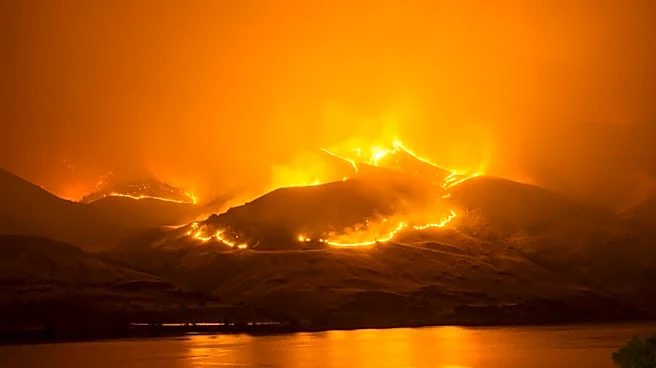
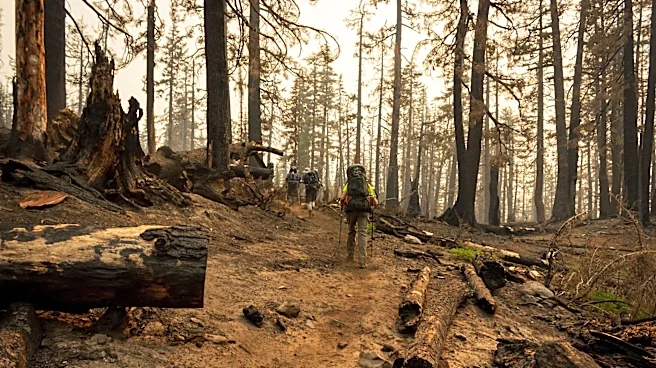
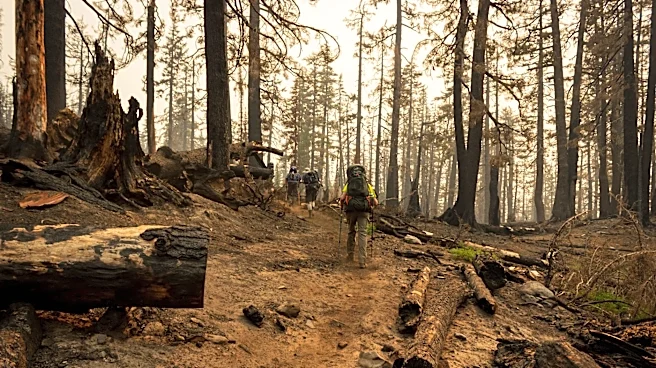
in the southwest, with the Pacific Northwest expecting highs in the 90s. These conditions, combined with low humidity and strong winds, have led to a 'particularly dangerous situation' red flag warning in eastern Oregon. The region is already experiencing a devastating wildfire season, with Oregon and Washington reporting extensive damage and ongoing efforts to contain large fires.
Why It's Important?
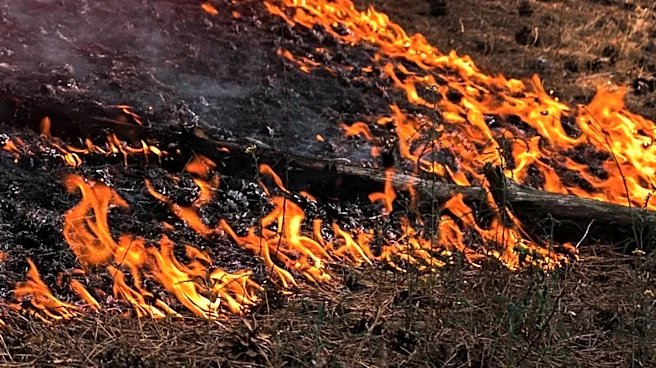
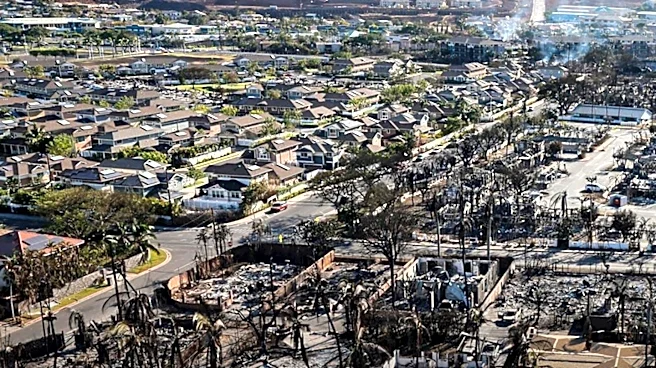
The combination of extreme heat, drought, and strong winds creates a perfect storm for wildfires, posing a significant threat to communities, ecosystems, and air quality. The ongoing fires have already caused substantial damage, and the potential for new fires could strain firefighting resources further. This situation highlights the urgent need for effective fire management strategies and climate adaptation measures to protect vulnerable areas. The economic and environmental impacts of these fires are profound, affecting agriculture, tourism, and public health due to smoke and air pollution.
What's Next?
In response to the heightened fire risk, Washington Governor Bob Ferguson has temporarily banned outdoor burning through the end of September. State officials are focused on containing existing fires and preventing new ones, with firefighting resources already stretched thin. The ongoing drought and heatwave conditions are expected to persist, necessitating continued vigilance and preparedness from both state agencies and local communities. Long-term solutions may involve investing in infrastructure to better manage water resources and implementing policies to mitigate climate change impacts.