







What's Happening?
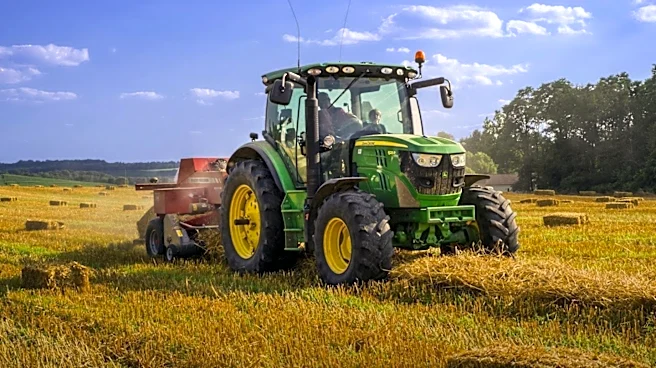
Iowa Lakes Community College is emphasizing the significant transformation within the agriculture industry, noting that modern agriculture extends far beyond traditional farming. The institution highlights how science, technology, business, engineering,
environmental stewardship, and data-driven decision-making are now integral to the sector. Agricultural professionals increasingly utilize drones for crop monitoring, GPS-guided equipment for precision, software for data analysis, and robotics to enhance efficiency. This technological integration is creating a diverse range of career opportunities that require specialized skills. The college prepares students for these roles through hands-on learning, modern technology, and partnerships with industry leaders, connecting classroom instruction with real-world agricultural careers. According to Iowa Workforce Development, many agriculture-related occupations are projected to remain in high demand due to ongoing technological advancements and industry growth.
Why It's Important?
The evolution of agriculture into a technology-driven industry is crucial for addressing global challenges such as food security, water conservation, and sustainable production. As populations grow, the demand for food increases, making the role of agricultural professionals vital in developing innovative solutions. The shift towards precision agriculture, data analytics, and automation means that the industry requires a workforce with both technical expertise and practical experience. This transformation impacts the U.S. economy by creating new job markets and strengthening existing ones, particularly in states like Iowa where agriculture is a major economic contributor. Educational institutions like Iowa Lakes Community College play a key role in bridging the skills gap, ensuring that the next generation of agricultural leaders is equipped to drive productivity while also promoting environmental stewardship.
What's Next?
The agriculture sector is expected to continue its rapid technological advancement, leading to further demand for professionals skilled in areas such as artificial intelligence, Geographic Information Systems (GIS), and smart irrigation systems. Educational programs will likely adapt to incorporate these emerging technologies more deeply into their curricula, fostering a workforce capable of innovating and problem-solving in a dynamic industry. Future agricultural leaders will need to combine technical knowledge with business acumen, communication skills, and a strong commitment to environmental stewardship. This ongoing evolution will also necessitate continued collaboration between academic institutions, agricultural businesses, and technology developers to ensure that training and industry needs remain aligned.
Beyond the Headlines
The technological revolution in agriculture carries broader implications beyond immediate economic and workforce needs. It raises ethical considerations regarding data privacy in precision farming, the potential for job displacement due to automation, and the equitable distribution of advanced agricultural technologies. Environmentally, the focus on sustainable practices and resource management through technology offers a path toward mitigating climate change impacts and preserving natural resources. Culturally, the perception of agriculture is shifting from a traditional, labor-intensive field to a high-tech, innovative industry, potentially attracting a more diverse talent pool. This long-term shift could redefine rural economies and the relationship between food production, technology, and environmental health.