

What's Happening?
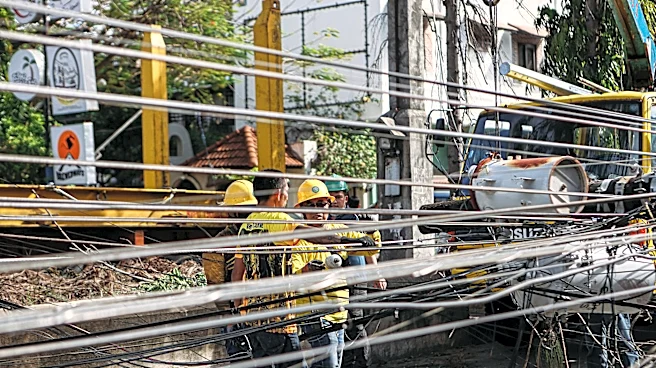
Eight days after severe storms impacted northwest Indiana, approximately 75,000 Northern Indiana Public Service Co (NIPSCO) customers are still without electricity. Over 20,000 of these affected customers are in Gary, Indiana, where NIPSCO anticipates
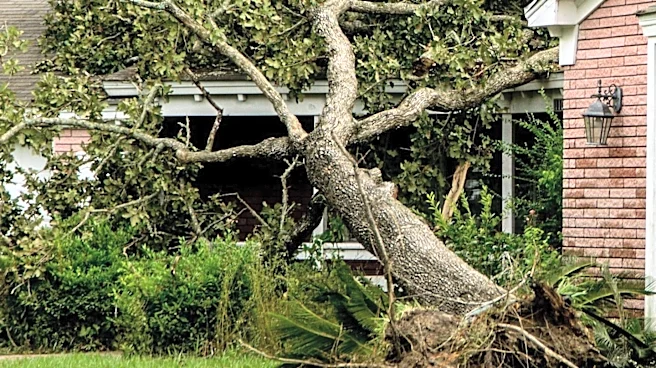
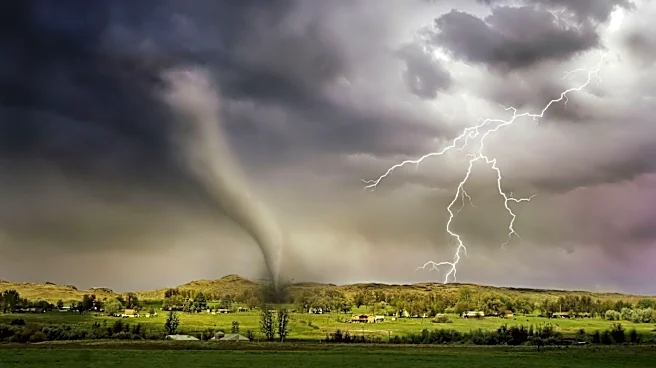
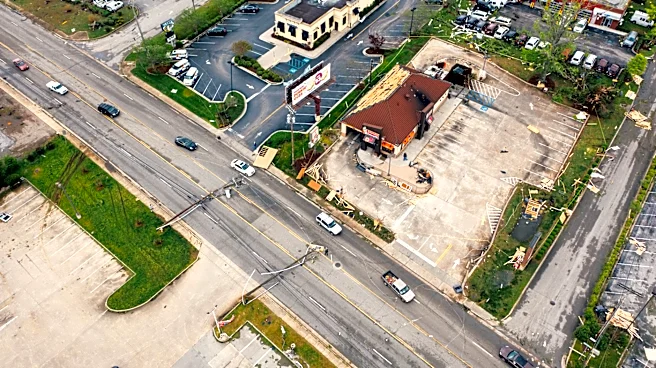
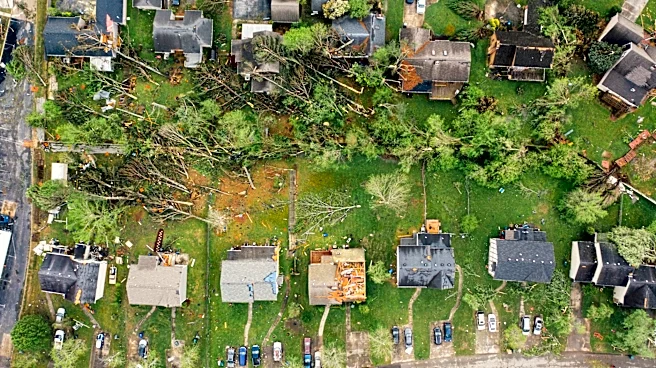
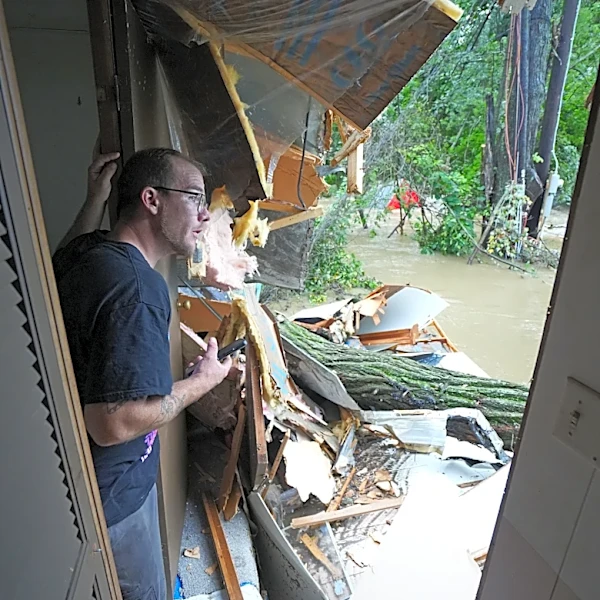
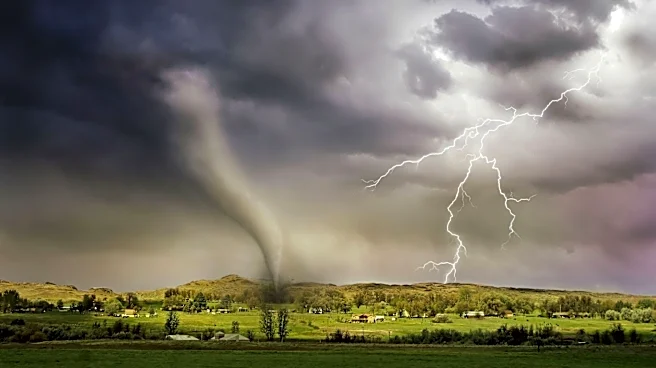
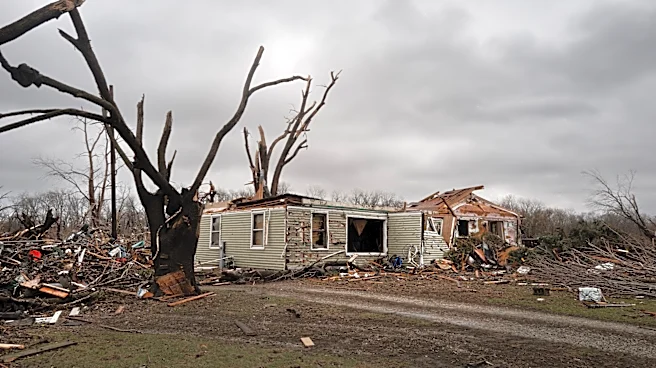
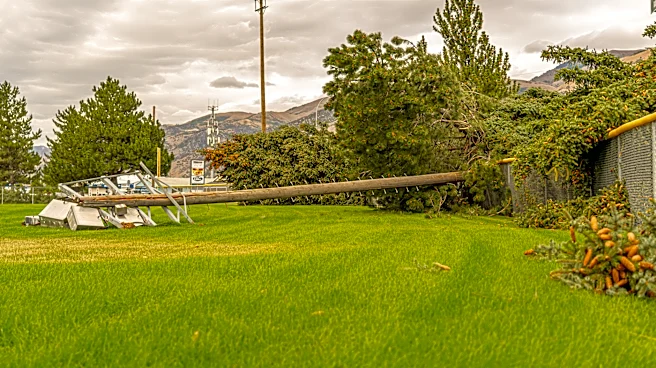
full power restoration by August 25. The outages began on August 11 due to severe weather, which initially cut power to around 300,000 NIPSCO customers. The utility has characterized this as the most extensive and widespread outage event in its history. Winds reached speeds of 159 kmph at Gary/Chicago International Airport during the August 11 storm, which the National Weather Service preliminarily confirmed as a derecho—a widespread, long-lived line of thunderstorms causing significant wind damage. The agency also reported winds between 113 kmph and 161 kmph across parts of eastern Illinois and northwest Indiana, along with five confirmed tornadoes. In Gary alone, roughly 300 poles and 44 transmission poles require repair or replacement, according to Melody Birmingham, executive vice-president and group president, utilities, at NiSource, NIPSCO's parent company.
Why It's Important?
The prolonged power outages in northwest Indiana, particularly in Gary, highlight significant challenges for residents and local infrastructure. The lack of electricity for an extended period creates substantial financial burdens, as seen with Jeremy Spurrier, who spends about $75 daily to run a generator and faces the risk of losing hundreds of dollars worth of insulin due to improper storage. The situation also raises concerns about equitable service restoration, with some Gary residents, a majority-Black community, expressing fears of being overlooked. While NIPSCO's Melody Birmingham denied these claims, attributing the delays to the storm's impact rather than socioeconomic factors, the perception of unequal treatment can erode public trust in utility providers. The widespread damage, including 300 poles and 44 transmission poles needing repair in Gary, underscores the vulnerability of aging infrastructure to increasingly severe weather events, which may become more frequent due to climate change. The seven reported deaths since the storms began further emphasize the critical public safety implications of such prolonged outages.
What's Next?
NIPSCO is continuing its efforts to restore power, with over 600 linemen working to address the extensive damage. The utility expects full restoration for Gary by August 25, meaning some residents will have been without power for nearly two weeks. Residents in affected areas will likely continue to rely on community centers for essential services like hot meals and phone charging. The financial strain on households, particularly those with medical needs requiring refrigeration, is expected to persist until power is fully restored. There may be ongoing discussions and scrutiny regarding NIPSCO's response time and resource allocation, especially in communities like Gary. Local officials, such as Gary Mayor Eddie Melton, will likely continue to advocate for their constituents and monitor the restoration process closely. The long-term implications could include calls for infrastructure upgrades and improved disaster preparedness plans to mitigate the impact of future severe weather events.
Beyond the Headlines
The extended power outages in northwest Indiana reveal deeper societal and infrastructural vulnerabilities. The disproportionate impact on lower-income communities, even if not intentionally discriminatory, highlights existing inequalities where access to resources like generators or alternative housing is limited. The incident also brings to light the critical need for robust and resilient infrastructure capable of withstanding extreme weather, which is becoming more common. The psychological toll on residents, described as "frustrated and exhausted" by Mayor Melton, underscores the human cost beyond economic losses. Furthermore, the reliance on social media for information and the subsequent spread of perceptions, whether accurate or not, about service equity, illustrate the evolving landscape of public communication during crises. This event could serve as a catalyst for broader policy discussions on utility accountability, infrastructure investment, and equitable disaster response strategies across the U.S., particularly as climate change continues to intensify weather patterns.