







What's Happening?
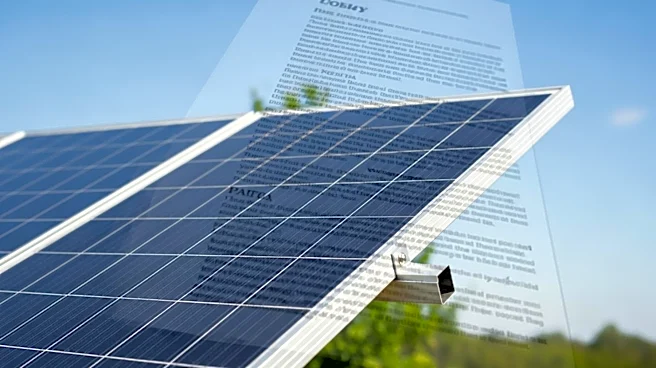
Michigan House Republicans have introduced legislation aimed at repealing the state's clean energy law, which mandates 100% renewable energy by 2040. The proposed bills also seek to limit distributed energy sources, such as rooftop solar, to just 1% of a utility's
total energy sales. This move is seen by Democrats as effectively banning community solar initiatives like Ann Arbor's Solarize program, which allows residents to purchase solar panels at bulk discounts. The Solarize program has significantly increased solar installations in Ann Arbor, from 17 per year to 180. Republican Rep. Pauline Wendzel argues that the legislation prioritizes reliability and affordability of energy. In contrast, Democratic Rep. Tonya Myers Phillips attributes high energy costs to frequent rate increases by utilities.
Why It's Important?
The proposed legislation could have significant implications for Michigan's energy landscape and its residents. By potentially curtailing the growth of community solar programs, the bills could hinder efforts to increase renewable energy adoption and reduce carbon emissions. This legislative push reflects broader national debates over energy policy, where economic considerations often clash with environmental goals. If passed, the bills could set a precedent for other states considering similar rollbacks of renewable energy mandates. The outcome of this legislative battle could influence energy costs, utility practices, and the pace of renewable energy transition in Michigan, affecting both consumers and the renewable energy industry.
What's Next?
The proposed bills will likely face significant opposition from environmental groups, renewable energy advocates, and some Democratic lawmakers. Public hearings and debates are expected as stakeholders on both sides of the issue mobilize to influence the legislative process. The outcome will depend on the ability of each side to sway public opinion and legislative votes. If the bills pass, they could face legal challenges from environmental organizations seeking to uphold the state's clean energy commitments. The debate will also likely draw attention from national energy policy observers, given Michigan's role as a bellwether for energy policy trends.