
What's Happening?
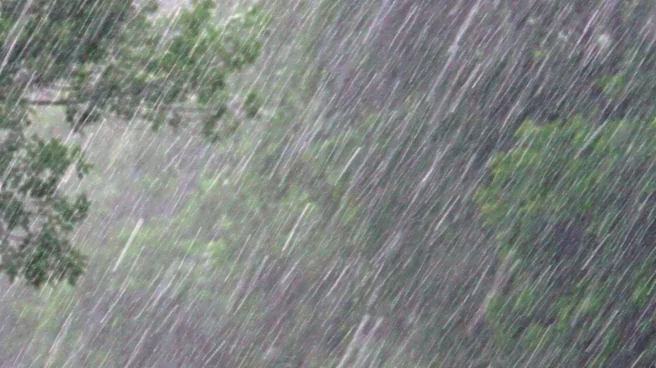
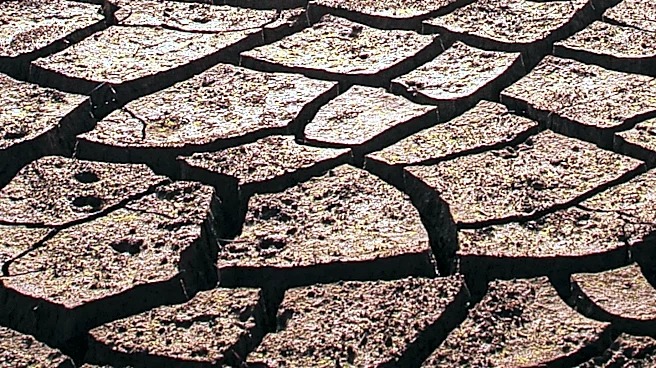
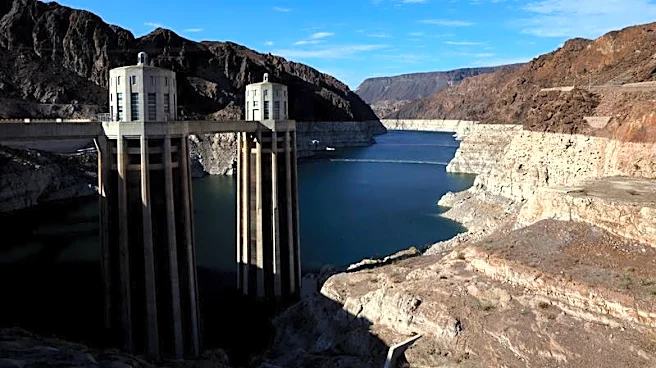
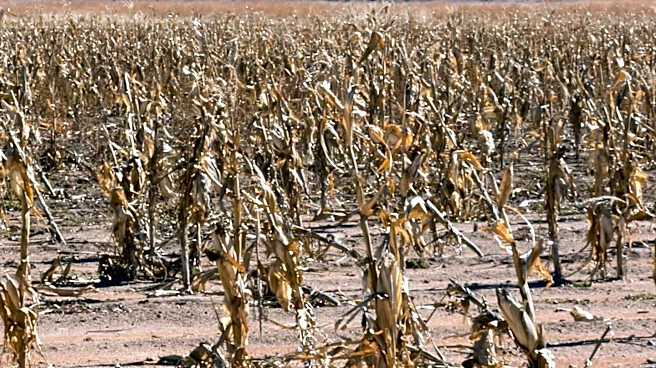
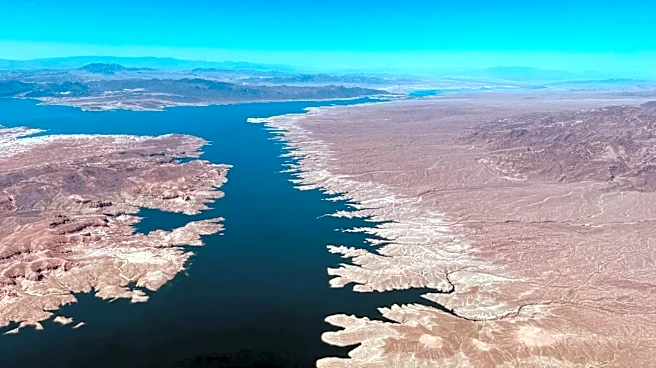
Utah is experiencing a severe drought, with recent monsoonal rains providing little relief. According to the Utah Division of Water Resources, state reservoirs have seen a significant drop in water levels,
with a 13% decline between May and July. Reservoirs are currently averaging 57% full, which is 17% lower than normal for the end of July. Streamflows are also declining in most state rivers, although some areas have benefited from recent storms. The drought highlights the ongoing challenges of managing water resources in the face of climate variability.
Why It's Important?
The severe drought in Utah underscores the critical need for effective water management strategies to address the impacts of climate variability. The significant drop in reservoir levels poses risks to water security, agriculture, and the environment. The situation highlights the importance of monitoring and responding to changing weather patterns to ensure resource sustainability. The drought also raises awareness of the need for investments in water infrastructure and conservation measures to enhance resilience against future climate-related challenges.
What's Next?
The Utah Division of Water Resources will continue to monitor reservoir levels and streamflows, providing guidance on water conservation measures. Stakeholders may focus on developing and implementing strategies to enhance water management and infrastructure resilience. The situation may prompt discussions on policy measures to support sustainable water use and address the impacts of climate variability. Long-term planning and collaboration among government agencies, environmental groups, and the public will be essential to ensure resource security and sustainability.