








What's Happening?
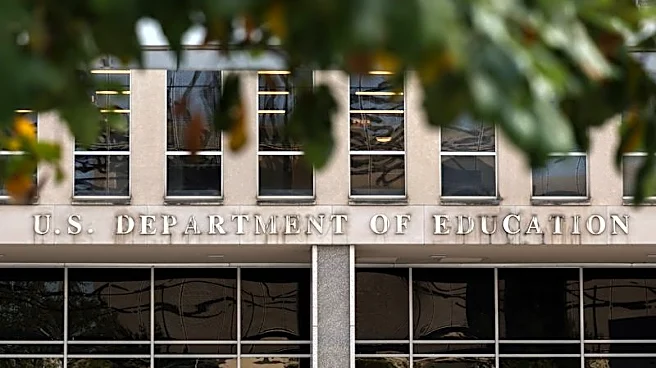
The Trump administration has announced a significant restructuring of the Education Department, moving oversight of special education and civil rights to other federal agencies. The Department of Justice will now handle civil rights enforcement in education,
while the Department of Health and Human Services will oversee special education. This move aligns with President Trump's campaign promise to reduce federal involvement in education, aiming to return control to the states. The changes involve the Office of Special Education and Rehabilitative Services and the Office for Civil Rights, which manage significant federal funding and compliance with educational laws. Critics argue that this shift could undermine accountability and create uncertainty for families relying on these services.
Why It's Important?
This restructuring is crucial as it reflects a broader effort by the Trump administration to decentralize federal control over education. By transferring responsibilities to other agencies, the administration aims to streamline federal oversight and improve efficiency. However, this move has raised concerns among educational equity advocates, who fear it may lead to reduced accountability and support for vulnerable student populations, including those with disabilities and from minority backgrounds. The decision could have long-term implications for how educational services are delivered and monitored, potentially affecting millions of students and families across the U.S.
What's Next?
The transition of responsibilities to the Department of Justice and the Department of Health and Human Services will require careful coordination to ensure continuity of services. Stakeholders, including educational institutions and advocacy groups, may push for clarity on how these changes will be implemented and monitored. There may also be legal challenges or calls for legislative action to address concerns about the impact on students' rights and access to services. The administration's approach to education policy will likely continue to be a contentious issue, with potential implications for future federal and state education initiatives.