








What's Happening?
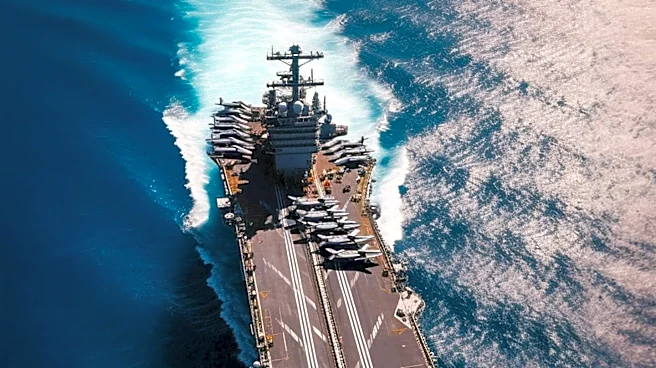
Huntsville, Alabama, resident Ahmad Mohammed, a sailor aboard the USS Abraham Lincoln, has returned home after a 10-month deployment. His mother, Angel Okafor, initially greeted him in San Diego on October 8 when the aircraft carrier returned. The deployment was
extended, causing the family to go days without communication at times, though Mohammed kept his messages positive. The USS Abraham Lincoln supported U.S. military operations against Iran, spending over 260 consecutive days at sea before a port call in Thailand. This extended period at sea drew attention to crew stress and reports of supply shortages, which the Navy attributed to combat operations delaying resupply. Defense Secretary Pete Hegseth presented the Presidential Unit Citation to the USS Abraham Lincoln and its accompanying ships for their combat operations against Iran the day before its return to San Diego. On November 4, Mohammed received a warm welcome in Huntsville from family members bearing signs, flags, and hugs. He is now on a month-long leave before reporting back for duty.
Why It's Important?
The return of Sailor Ahmad Mohammed highlights the personal sacrifices made by military personnel and their families during extended deployments, particularly those involved in critical national security operations. The USS Abraham Lincoln's mission against Iran underscores the ongoing geopolitical tensions and the U.S. military's role in maintaining stability in volatile regions. The challenges faced by the crew, such as prolonged periods at sea and supply shortages, bring to light the demanding conditions under which service members operate and the logistical complexities of naval operations. The recognition of the USS Abraham Lincoln with the Presidential Unit Citation signifies the high stakes and successful execution of its combat operations, reinforcing the importance of naval power in projecting U.S. influence and protecting national interests. For families like Mohammed's, these homecomings are significant moments of reunion and relief, underscoring the emotional toll and resilience required to support loved ones in uniform.
What's Next?
Sailor Ahmad Mohammed will spend approximately one month on leave with his family in Huntsville before reporting back for duty. This period allows him to reintegrate into civilian life and reconnect with loved ones after a demanding deployment. For the U.S. Navy, the return of the USS Abraham Lincoln marks the conclusion of a significant operational period, allowing for maintenance, crew rest, and potential reassignments. The experiences and lessons learned from this extended deployment, particularly regarding crew welfare and logistical support during prolonged combat operations, will likely inform future naval planning and policy. The ongoing geopolitical situation in the Middle East suggests that similar deployments and operational demands on U.S. naval forces will continue, requiring continuous readiness and adaptation.
Beyond the Headlines
The story of Sailor Mohammed's return touches upon several deeper implications beyond the immediate homecoming. It subtly highlights the psychological and logistical strains of modern naval warfare, where extended deployments can test the limits of human endurance and supply chains. The reports of crew stress and supply shortages, even if addressed by the Navy, point to the constant need for robust support systems for service members. Furthermore, the narrative underscores the often-unseen sacrifices of military families, who endure long periods of separation and uncertainty. The community's embrace of returning service members, as seen in Huntsville, reflects a broader societal appreciation for military service, yet it also serves as a reminder of the collective responsibility to support veterans and their families. This individual story is a microcosm of the broader human element within national defense strategies and the enduring impact of military service on individuals and their communities.