





What's Happening?
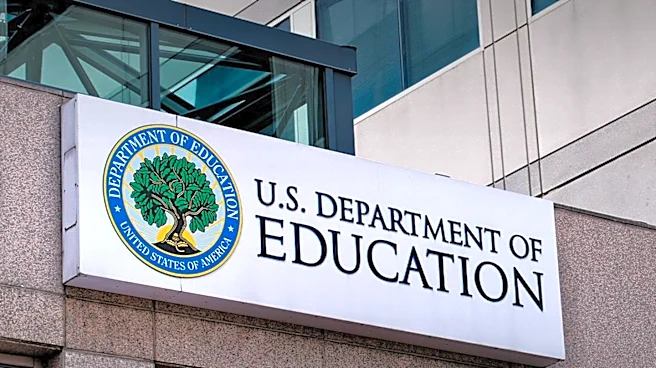
Public university presidents in Alabama are contemplating a unified response to seven questions posed by U.S. Education Secretary Linda McMahon concerning various higher education issues. These questions, sent to college and university presidents nationwide
on August 3, cover critical areas such as admissions based on merit, free speech on campus, diverse viewpoints, college affordability, academic standards in the age of artificial intelligence, foreign influence on university research, and programs addressing national workforce and security needs. During a meeting of the Alabama Council of College and University Presidents, Athens State University President Catherine Wehlburg raised the idea of a statewide response. Jim Purcell, executive director of the Alabama Commission on Higher Education, offered to draft a collective response for review, believing it would have a greater impact than individual submissions. Universities have until the end of the year to respond, though participation is voluntary.
Why It's Important?
This initiative by U.S. Education Secretary Linda McMahon signifies a continued federal focus on accountability and reform within higher education. The questions touch upon core aspects of university operations and their societal contributions, from academic integrity and free expression to economic accessibility and national security. A joint response from Alabama's universities could demonstrate a united front and a shared commitment to addressing these concerns, potentially influencing federal policy and funding decisions. For students, the discussions around affordability and academic standards could lead to more accessible and relevant educational pathways. For the broader U.S. economy and workforce, the emphasis on national workforce needs and foreign influence in research highlights the strategic importance of higher education in maintaining competitiveness and security. The administration's pressure on universities, including investigations into admissions and challenges to diversity programs, underscores a broader effort to reshape the landscape of American higher education.
What's Next?
Jim Purcell is expected to prepare a draft joint response for Alabama's university leaders to review in the coming weeks. While some universities, like Jacksonville State University and the University of North Alabama, have already submitted individual responses, the push for a collective statement suggests a strategic effort to amplify their voice. The deadline for responses is the end of the year. The content of these responses, particularly regarding academic freedom and foreign influence, could inform future federal guidelines or legislative actions. The Trump administration's ongoing scrutiny of higher education, including changes to accreditation rules and the shifting of some Education Department responsibilities, indicates that universities will continue to face pressure to align with federal priorities. The collective response from Alabama could serve as a model for other state university systems grappling with similar federal inquiries.
Beyond the Headlines
The questions from U.S. Education Secretary Linda McMahon delve into the fundamental values and operational challenges facing higher education in the U.S. The emphasis on 'admissions based on merit' and 'different viewpoints on campus' reflects ongoing debates about affirmative action, diversity initiatives, and intellectual freedom. The inclusion of 'academic standards in the age of artificial intelligence' points to the rapid technological shifts impacting education and the need for institutions to adapt. Furthermore, 'foreign influence on university research' highlights national security concerns and the increasing geopolitical competition in scientific and technological innovation. These inquiries suggest a broader re-evaluation of the purpose and function of universities in contemporary American society, potentially leading to a redefinition of their roles in fostering critical thinking, preparing the workforce, and safeguarding national interests.