









What's Happening?
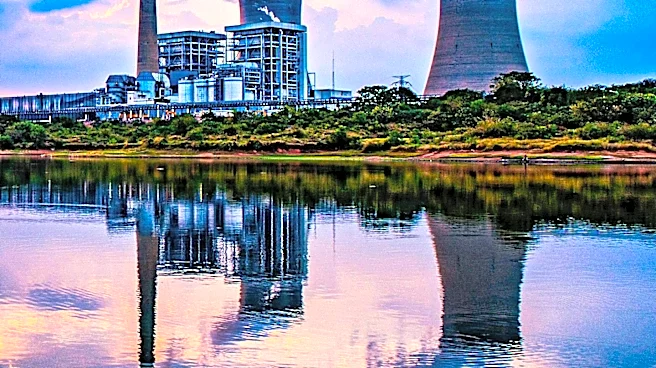
Vistra Corp., an integrated retail electricity and power generation company, is implementing a site-by-site planning approach for the closure, retirement, and redevelopment of its coal plant sites in Illinois. This strategy involves developing responsible
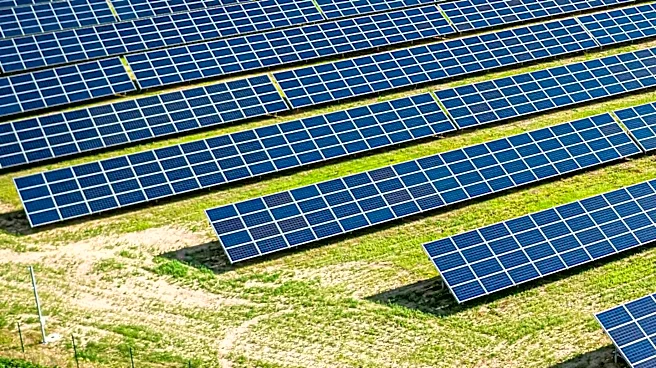
and compliant closure plans for coal combustion residuals (CCR) impoundments, guided by scientific assessments at each location. The process includes evaluating alternative closure methods, extensive modeling, and public review. Illinois regulations encourage tailoring closure plans to specific site conditions to ensure environmental protection, groundwater resource safety, and public health. The company's approach is under review by state and federal agencies, and the outcome of these reviews will influence Vistra's ability to construct additional utility-scale renewable energy facilities at these retired or soon-to-be-retired plant sites. Vistra aims to meet evolving energy needs by delivering reliable, affordable, and sustainable energy through its diverse generation resources and efficient operations.
Why It's Important?
This initiative is important for several reasons, primarily concerning environmental protection, public health, and the transition to renewable energy in the U.S. The responsible closure of coal ash impoundments is critical to preventing contamination of groundwater and surrounding ecosystems, which can have long-term health and environmental consequences for communities near these sites. Vistra's site-specific approach acknowledges the unique challenges and requirements of each location, aiming for tailored solutions that comply with stringent Illinois regulations. Furthermore, the state's review of these closure plans directly impacts Vistra's capacity to develop new utility-scale renewable energy projects. Successful and compliant closures could pave the way for significant investments in solar and battery storage facilities, contributing to the decarbonization of the energy grid and supporting the broader U.S. goal of increasing renewable energy generation. This also sets a precedent for other energy companies managing similar transitions, highlighting the complexities and regulatory hurdles involved in retiring fossil fuel assets.
What's Next?
The immediate next step involves the state of Illinois completing its review of Vistra's proposed impoundment closure plans. The outcome of this review will be crucial, as it will determine the feasibility and timeline for Vistra to proceed with its redevelopment plans, particularly regarding the construction of new utility-scale renewable energy projects at these sites. Vistra will continue to engage with state and federal agencies, as well as the public, throughout this deliberative process. Depending on the regulatory decisions, Vistra may need to adjust its closure methods or redevelopment strategies. Successful approval could accelerate the deployment of renewable energy infrastructure in Illinois, while delays or rejections could necessitate revised plans and potentially impact the state's renewable energy targets. The company will also continue to monitor and disclose compliance data in accordance with environmental regulations, ensuring transparency in its environmental stewardship efforts.
Beyond the Headlines
Beyond the immediate regulatory approvals, Vistra's approach to coal plant closures and site redevelopment highlights a broader national challenge: managing the legacy of fossil fuel infrastructure while transitioning to a clean energy economy. The ethical implications of ensuring environmental justice for communities historically impacted by coal plant operations are significant, as proper closure and remediation are essential for their long-term well-being. Legally, the evolving landscape of environmental regulations, particularly concerning coal ash disposal, creates complex compliance requirements for energy companies. Culturally, these closures represent a shift away from traditional energy sources, impacting local economies and workforces that have historically relied on coal. Vistra's ability to repurpose these sites for renewable energy generation could serve as a model for sustainable economic transition, demonstrating how former industrial lands can contribute to a greener future and create new economic opportunities in affected communities.