







What's Happening?
Jay Bhattacharya, the acting director of the Centers for Disease Control and Prevention (CDC), has addressed concerns regarding the hantavirus outbreak, emphasizing that it does not warrant a 'five-alarm fire bell' response. The outbreak, linked to the Andes
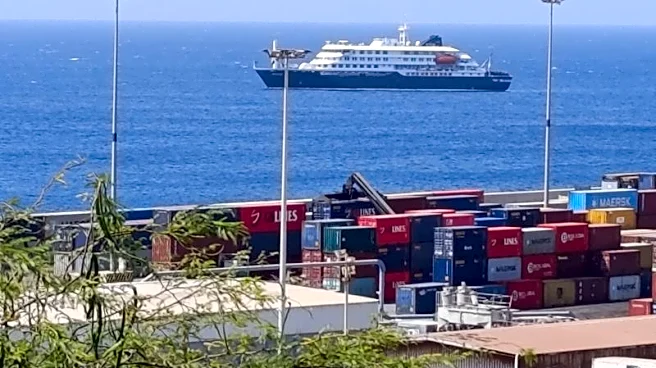
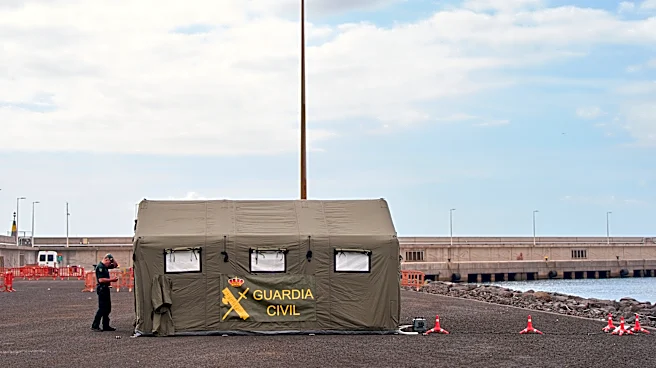
strain, has resulted in three deaths and 10 confirmed or suspected cases on the cruise ship MV Hondius. Bhattacharya highlighted the differences between hantavirus and COVID-19, noting that hantavirus requires prolonged close contact for transmission. The CDC is working with state and local health departments, as well as international organizations, to manage the situation. Eighteen American passengers from the affected cruise ship are being monitored in Nebraska and Georgia.
Why It's Important?
The CDC's response to the hantavirus outbreak is critical in maintaining public confidence and preventing unnecessary alarm. By distinguishing the hantavirus from COVID-19, health officials aim to provide a measured response that reflects the actual risk. The emphasis on collaboration with international and local health bodies ensures a coordinated effort to contain the virus. This approach not only protects public health but also demonstrates the CDC's capability to manage health threats effectively. The situation underscores the importance of clear communication and preparedness in handling potential outbreaks.
What's Next?
The CDC will continue to monitor the hantavirus outbreak, with ongoing collaboration with international health organizations. The focus will remain on targeted monitoring and isolation of high-risk individuals. As the U.S. prepares for the upcoming World Cup, health officials are ensuring that systems are in place to manage any potential outbreaks. The response to the hantavirus outbreak will likely inform future public health strategies, emphasizing the need for adaptability and evidence-based decision-making.