





What's Happening?
The Bangor Planning Board approved a land development permit in 2024 for a 55-unit co-living dormitory at 416 Stillwater Ave. in Bangor, Maine. Despite the approval, construction has not commenced, leaving the lot empty. The project, managed by Sean Thies
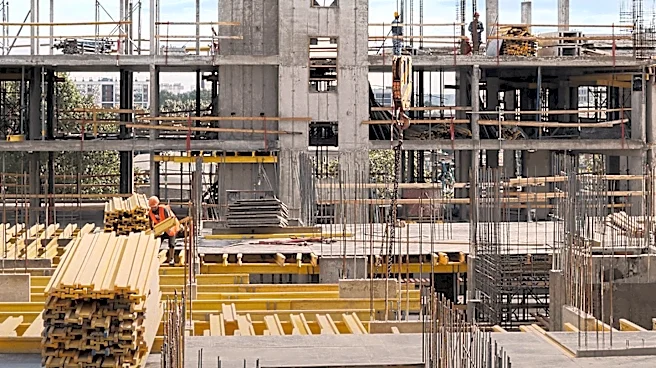
of Haley Ward, was intended to provide short-term housing for Bangor's transient workforce, including travel nurses and individuals without permanent housing. However, escalating construction costs and staffing challenges have delayed the project. The developer must reapply for permits as Bangor requires construction to begin within a year of approval. The delay highlights the complexities of housing development, where local permits do not guarantee project completion.
Why It's Important?
The delay in the Bangor housing project underscores the broader challenges in increasing housing supply in the U.S. Rising construction costs and labor shortages are significant barriers to housing development, affecting affordability and availability. This situation reflects a national trend where approved housing projects face delays, impacting efforts to address housing shortages. The inability to proceed with construction despite city approval illustrates the limitations of local government control over housing supply, as private developers face economic and logistical hurdles. This delay could exacerbate housing shortages, affecting transient workers and those seeking affordable housing options.
What's Next?
The developer must reapply for permits to move forward with the project. Bangor officials and developers will need to address the economic challenges hindering construction, such as high material and labor costs. The city may explore incentives or partnerships to facilitate housing development. Additionally, the Maine Office of Community Affairs and the Greater Portland Council of Governments are collecting data on housing developments to better understand and address these challenges. The outcome of this project could influence future housing policies and development strategies in Bangor and similar communities.