



What's Happening?
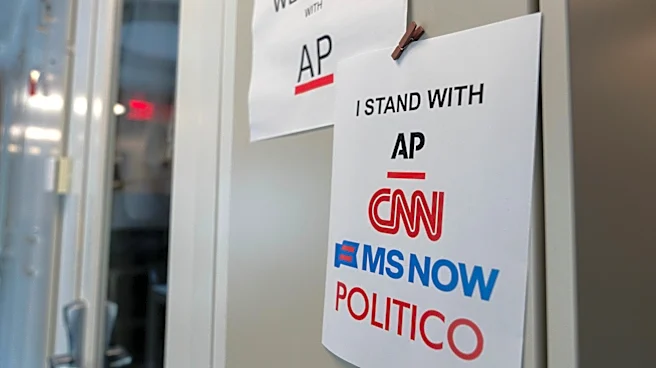
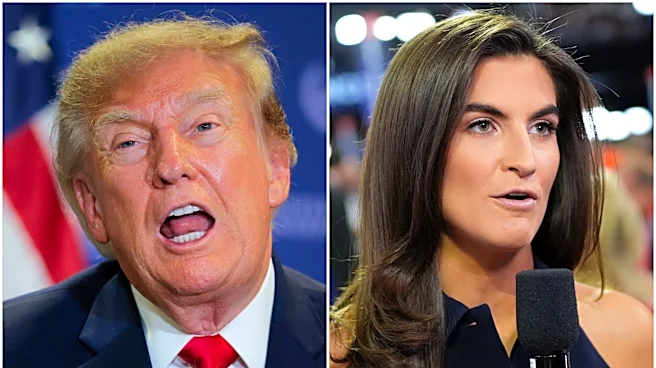
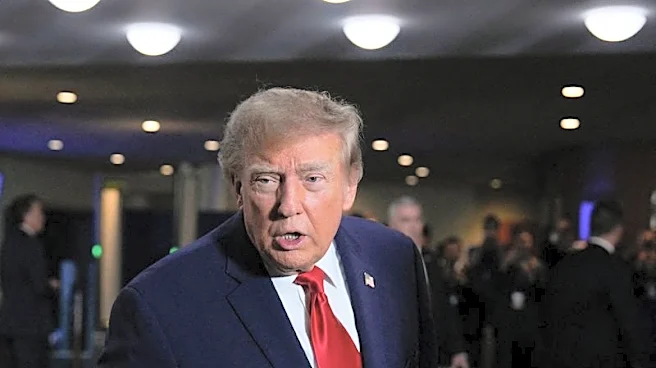
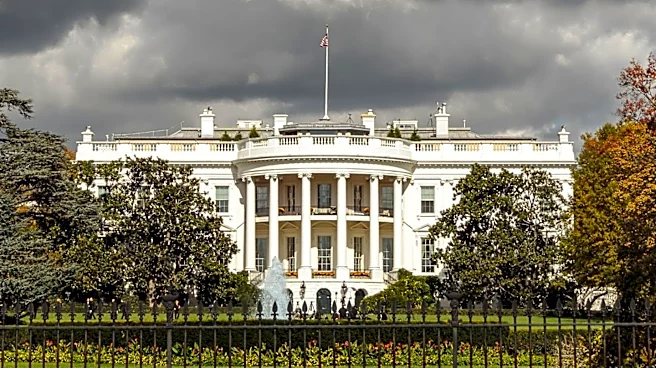
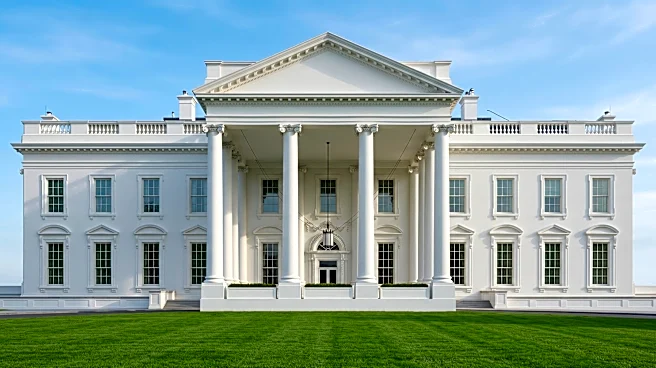
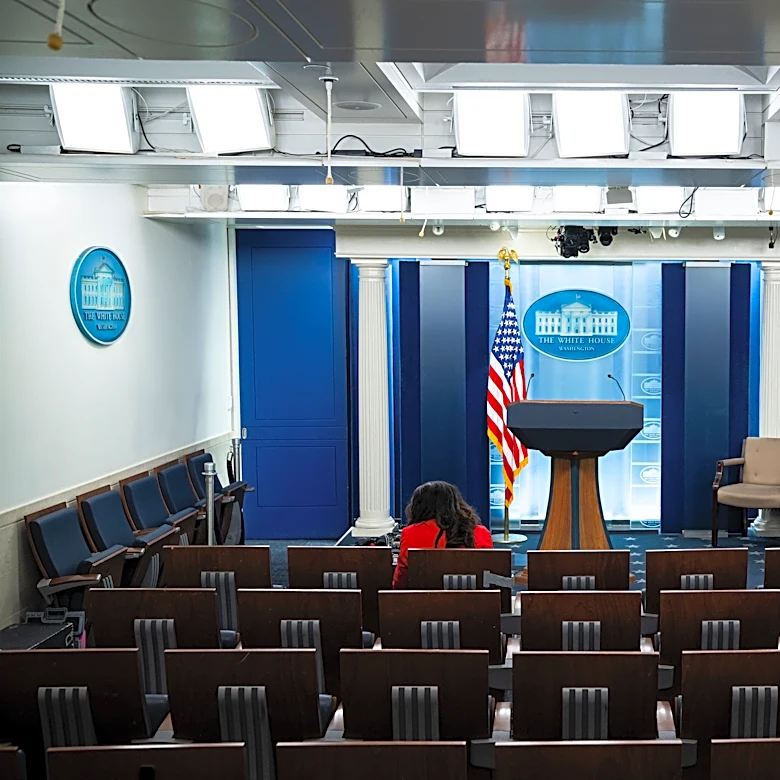
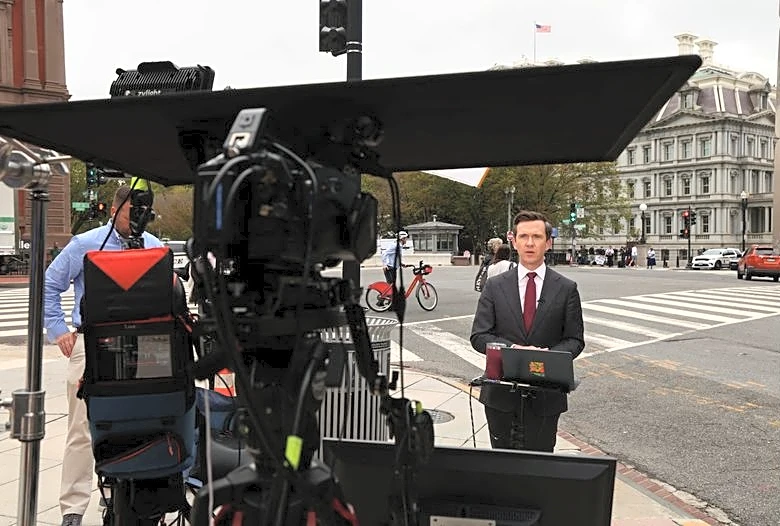
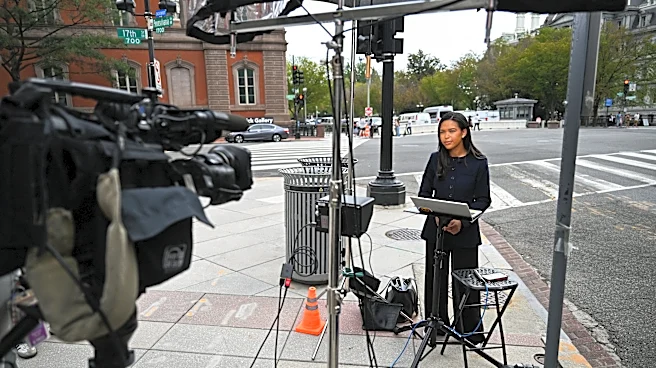
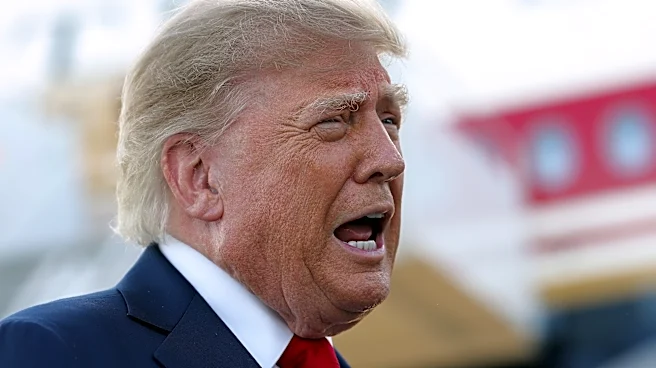
The White House has launched a 24/7 YouTube channel, dubbed 'Trump TV,' days after President Trump barred reporters from CNN, MS NOW, and Politico from accessing the White House. The new channel, which began streaming on Monday night with the tagline
'The Essentials Station,' aims to consolidate the administration's 'biggest moments all in one place.' Its debut featured President Trump's July 3 speech at Mt. Rushmore. President Trump justified the ban on the three news organizations via a Truth Social post, labeling them 'Fake News' and accusing them of disseminating 'FICTION and LIES' about his administration and the United States. In response, the banned media outlets filed a federal lawsuit against the administration, citing violations of their First Amendment rights to free speech and Fifth Amendment due process rights, arguing they were denied notice and an opportunity to challenge the decision. Other major news organizations, including Fox News Media, ABC News, CBS News, NBC News, and CNN, issued a joint statement defending the public's right to accurate, independent information and asserting that no administration should restrict a news organization based on its reporting. Media outlets participating in joint White House coverage, such as NPR, have also announced they will not use audio and video from White House events until further notice.
Why It's Important?
This development marks a significant escalation in the ongoing tension between the White House and certain media organizations, raising critical questions about press freedom and the public's access to independent information in the United States. The launch of 'Trump TV' and the simultaneous ban on specific news outlets suggest a deliberate strategy by the administration to control the narrative and bypass traditional media scrutiny. This approach could profoundly impact the media landscape by potentially normalizing government-controlled information channels, a practice often associated with autocratic regimes. Critics, including Democratic lawmakers like Arizona Sen. Mark Kelly and California Gov. Gavin Newsom, have labeled 'Trump TV' as 'state-run media' and 'autocratic behavior,' highlighting concerns about the erosion of democratic norms. The legal challenge mounted by the banned outlets underscores the constitutional implications, particularly regarding the First and Fifth Amendments. The unified stance of other major news organizations in boycotting White House audio and video feeds demonstrates the media's collective concern over these actions, emphasizing the vital role of a free and independent press in a democratic society. This situation could further polarize the public's perception of news, with implications for how citizens receive and trust information about their government.
What's Next?
The federal lawsuit filed by CNN, MS NOW, and Politico against the administration will proceed, challenging the legality of the White House's ban on their reporters. The outcome of this legal battle could set a precedent for future interactions between the U.S. government and the press, potentially defining the boundaries of executive power concerning media access. The 'Trump TV' channel will continue to operate, serving as a direct communication channel from the White House to the public, likely bypassing traditional media filters. This will test its reach and influence beyond President Trump's established base, as experts like Stephen Farnsworth question its ability to attract a broader audience. The unified boycott by other news organizations on using White House audio and video feeds will continue, potentially impacting the visibility and dissemination of official White House events through mainstream channels. This could lead to a bifurcated media environment where information from the White House is consumed either directly through 'Trump TV' or through independent reporting that relies on alternative sources. The political reactions from Democratic lawmakers and press-freedom advocates are expected to persist, maintaining pressure on the administration regarding its media policies. The long-term implications for press freedom and the public's right to information will be closely watched as these events unfold.
Beyond the Headlines
The establishment of 'Trump TV' and the ban on specific news outlets represent a deeper shift in the relationship between the U.S. presidency and the press, moving towards a model where the executive branch actively seeks to control information dissemination. This strategy, as noted by Stephen Farnsworth, is part of a broader effort by President Trump to 'tell the Trump story himself,' bypassing what he perceives as a critical mainstream media. This approach raises significant ethical and cultural questions about the role of independent journalism in a democracy. Jane Kirtley, an emerita professor of media ethics and law, highlights the 'unprecedented' nature of a government-controlled media source functioning as a direct pipeline to the public, drawing parallels to state-run television in other countries. This development could erode public trust in independent news sources and foster an environment where citizens are less exposed to diverse perspectives and critical scrutiny of government actions. The timing of the ban and the launch of 'Trump TV' suggests a deliberate strategy to shape the narrative, potentially leading to a more fragmented and polarized information landscape. This trend could have long-term consequences for civic engagement, informed decision-making, and the overall health of democratic discourse in the United States, as the public's ability to access vetted, independent information becomes increasingly challenged.