






What's Happening?
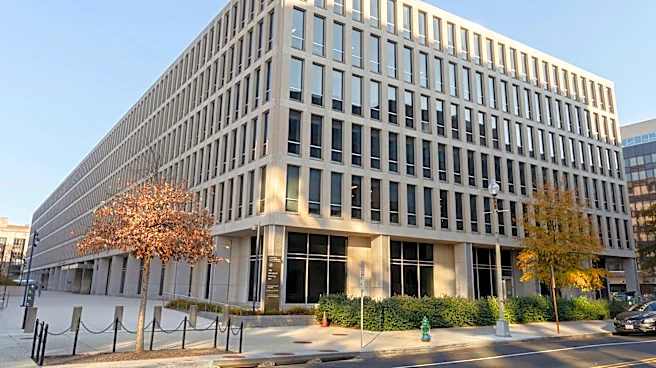
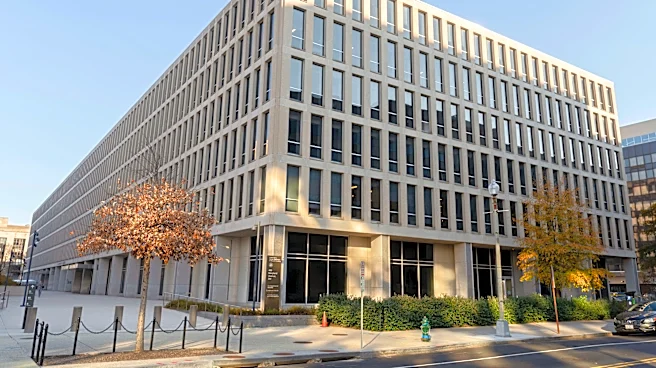
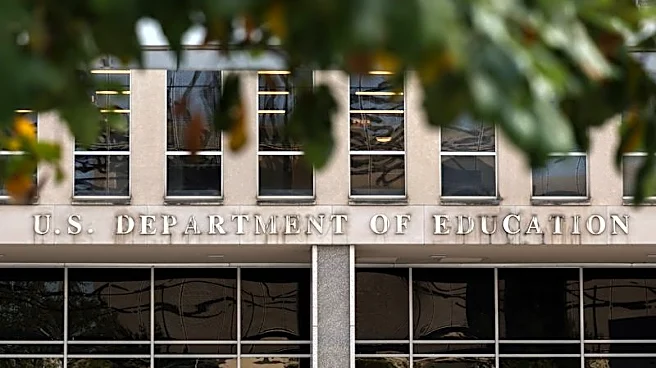
The Trump administration has announced a significant restructuring of the Department of Education, transferring the responsibility of investigating civil rights complaints to the Department of Justice. This move is part of a broader effort to dismantle
the Education Department by reallocating its functions to other federal agencies. The administration claims this shift will reduce bureaucracy and enhance student equity. However, civil rights advocates express concerns that this could create additional barriers for students seeking justice. The Education Department will still receive and resolve complaints but can refer cases to the Justice Department for further investigation. The Justice Department, known for its litigation approach, will have the discretion to choose which cases to pursue, potentially prioritizing certain types of complaints over others.
Why It's Important?
This restructuring could have significant implications for the enforcement of civil rights in education. By transferring responsibilities to the Justice Department, the Trump administration aims to streamline processes, but critics argue it may lead to selective enforcement based on political priorities. This change could affect students with disabilities and those facing discrimination, as the Justice Department may not address all complaints equally. The move also raises concerns about the potential for increased bureaucracy and confusion, as the Education Department's role becomes more limited. The outcome of this restructuring will impact how civil rights laws are enforced in educational institutions across the U.S., potentially affecting thousands of students.
What's Next?
The implementation of this restructuring will be closely monitored by civil rights advocates and educational institutions. The Justice Department will need to establish clear guidelines for handling the transferred cases, and the Education Department will continue to play a role in receiving complaints. The effectiveness of this partnership will depend on how well the two departments coordinate their efforts. Congressional oversight and potential legal challenges may arise as stakeholders assess the impact of these changes on civil rights enforcement. The administration's approach to prioritizing cases will be scrutinized, especially in light of concerns about political influence.