







What's Happening?
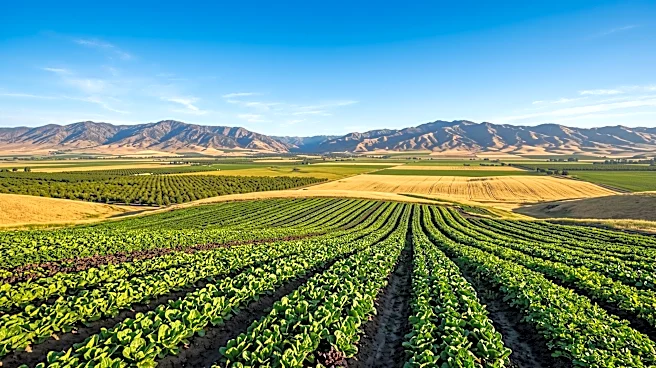
The U.S. Department of Agriculture (USDA) is providing approximately $50.6 million in financial support to farmers, ranchers, and landowners across California. This funding, distributed through the USDA Farm Service Agency, is part of a broader national
initiative aimed at strengthening agricultural operations and rural communities. The assistance is primarily channeled through programs such as Agriculture Risk Coverage (ARC), Price Loss Coverage (PLC), and the Conservation Reserve Program (CRP). These payments are designed to help agricultural producers manage financial challenges, cover operating costs, and invest in essential farm needs like equipment and supplies. Connie Conway, State Executive Director in California, emphasized that these funds create a positive economic ripple effect by encouraging producers to do business with local companies. A significant portion of the aid is allocated through ARC and PLC, which offer protection against declining commodity prices and reduced farm revenues, providing stability during economic uncertainties. Improvements under the Working Families Tax Cuts Act, effective for the 2025 crop year, have enhanced these programs with higher reference prices, improved payment calculations, and increased payment limits. For the 2025 crop year, producers will automatically receive the higher payment rate between ARC and PLC, and the payment limit has been raised to $160,000.
Why It's Important?
This substantial financial injection from the USDA is crucial for the stability and growth of California's agricultural sector, which is a significant contributor to both the state and national economy. By providing a safety net against market fluctuations and declining commodity prices through ARC and PLC, the USDA helps ensure the continued viability of farming operations. This support is vital for producers to cover operational expenses, invest in necessary equipment, and maintain their livelihoods, especially in an industry often susceptible to unpredictable economic and environmental challenges. The economic ripple effect mentioned by Connie Conway highlights the broader impact: these funds not only benefit individual farmers but also stimulate local economies as producers purchase goods and services from rural businesses. Furthermore, the Conservation Reserve Program (CRP) component, which supports over 81,000 acres in California, is critical for promoting sustainable agricultural practices. By incentivizing long-term conservation efforts such as improving soil health, protecting water quality, and supporting wildlife habitats, the USDA is fostering environmental stewardship while also providing financial relief to landowners. This dual focus on economic stability and environmental sustainability is essential for the long-term resilience of U.S. agriculture.
What's Next?
California producers are encouraged to participate in upcoming enrollment periods for future ARC and PLC coverage, as these programs will continue to be vital tools for protecting farms against unexpected declines in revenue and commodity prices. The improvements under the Working Families Tax Cuts Act, including higher reference prices and increased payment limits, will take effect starting with the 2025 crop year, offering enhanced support and flexibility. Several California crops, including barley, chickpeas, canola, corn, dry peas, flaxseed, grain sorghum, mustard seed, oats, rice, safflower, seed cotton, soybeans, and wheat, qualified for PLC payments during the 2025 crop year, with additional rice-related payments anticipated after final market price calculations. USDA officials have noted that actual producer payments may vary due to payment limitations and federal sequestration reductions. The ongoing emphasis on conservation programs like CRP suggests continued efforts to integrate environmental benefits with agricultural support, with Grassland CRP remaining particularly important for livestock producers. These programs are designed to provide reliable support during changing market conditions, helping producers remain productive and invest in the future of their operations.
Beyond the Headlines
The USDA's financial support to California's agricultural sector extends beyond immediate economic relief, touching upon deeper implications for food security, environmental policy, and rural community development. The emphasis on conservation programs like CRP underscores a growing recognition of the interconnectedness between agricultural practices and ecological health. By incentivizing practices that improve soil health, water quality, and wildlife habitats, the USDA is promoting a more sustainable agricultural model that could mitigate the long-term impacts of climate change and resource depletion. This approach also highlights a shift towards integrating environmental stewardship into economic policy, recognizing that healthy ecosystems are fundamental to productive agriculture. Furthermore, the economic ripple effect generated by these payments strengthens rural communities, which often face unique challenges in terms of economic diversification and access to resources. By supporting local businesses and fostering economic activity, the USDA's initiatives contribute to the overall vitality and resilience of these communities. The continuous adaptation of programs like ARC and PLC, with improvements such as increased payment limits and higher reference prices, reflects an ongoing effort to refine agricultural policy to better meet the evolving needs of farmers and the broader society, ensuring a stable food supply and a healthy environment for future generations.