




What's Happening?
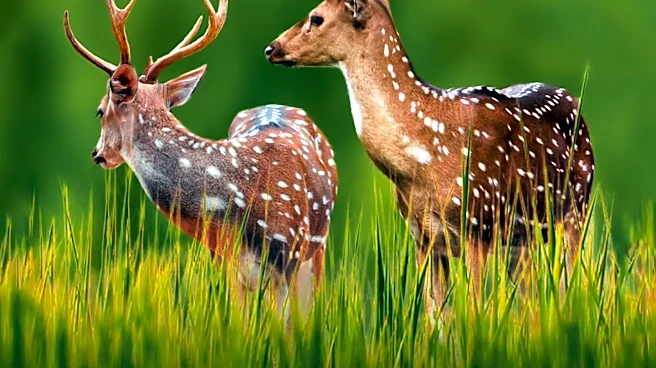
The Alaska Department of Fish and Game is continuing its effort to relocate Sitka black-tailed deer to the Kenai Peninsula despite a high mortality rate among the animals. Last fall, 19 deer were moved from an island near Kodiak, but only five are known
to have survived. The initiative aims to establish a new deer population to provide hunting opportunities and enhance food security for Alaskans. Critics argue that the program is a waste of public funds, given the low survival rate and the long timeline before any potential hunting benefits could be realized. The relocation effort, which is the first of its kind in 40 years, has faced challenges such as harsh winter conditions and logistical issues during transportation.
Why It's Important?
The deer relocation project highlights the challenges and controversies surrounding wildlife management and conservation efforts. While the state aims to increase hunting opportunities and food security, the high cost and low success rate raise questions about the program's viability and effectiveness. Environmental groups criticize the use of public funds for a project with uncertain outcomes, especially when resources are limited. The initiative also underscores the broader debate on human intervention in wildlife populations and the ethical considerations of such actions.
What's Next?
The Alaska Department of Fish and Game plans to continue the relocation effort by moving an additional 15-20 deer this fall. The department hopes that by increasing the number of relocated animals, a sustainable population can eventually be established. However, the success of the program will depend on future winter conditions and the ability to address logistical challenges. Ongoing monitoring and adjustments to the relocation strategy will be crucial to improving survival rates and achieving the program's goals.