



What's Happening?
The Four States Irrigation Council will convene its 75th Annual Meeting on January 13-14, 2027, in Fort Collins, Colorado. The event, hosted at the Fort Collins Hilton, will bring together ditch and irrigation company leaders, state and federal officials,
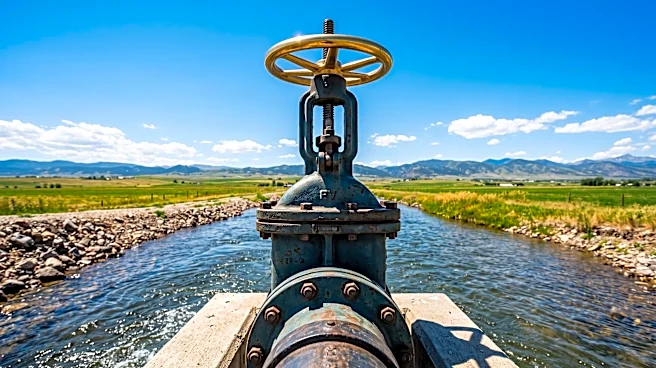
farmers, and other stakeholders. The primary focus of the meeting will be timely and critical water-infrastructure issues affecting the Four States region, which includes Colorado, Kansas, Nebraska, and Wyoming. Speakers will provide updates on ongoing water-infrastructure projects and discuss current challenges faced by irrigators. Officials from the U.S. Bureau of Reclamation, the Family Farm Alliance, state water resources offices, and university staff are slated to present. Additionally, exhibitors will showcase new products and services related to irrigation. The meeting will also feature the presentation of the Headgate awards, recognizing individuals who have significantly contributed to irrigation and water resources in the region.
Why It's Important?
This annual gathering is crucial for addressing the complex and evolving water management challenges in the Western U.S., a region frequently impacted by drought and increasing water demands. The discussions on water-infrastructure projects, canal operations, dam safety, and on-farm irrigation efficiency directly influence agricultural productivity and water security for millions. The collaboration between various stakeholders, including government agencies, farmers, and experts, is vital for developing sustainable water use strategies. Decisions and insights shared at this meeting can shape regional water policies, influence funding for critical infrastructure, and promote the adoption of innovative irrigation technologies. The event also provides a platform for networking and knowledge exchange, fostering a unified approach to managing a limited and essential resource, thereby impacting the economic stability of agricultural communities and the broader regional economy.
What's Next?
Following the annual meeting, attendees are expected to disseminate the information and strategies discussed within their respective organizations and communities. The insights gained from updates by federal and state officials, as well as university staff, may inform future operational adjustments and policy advocacy efforts by irrigation districts and farming communities. The council's ongoing work includes promoting wise use of water resources, encouraging effective and varied use of this limited resource, and balancing conservation with agricultural needs and wildlife concerns. The organization also hosts summer tours every other year, which will likely continue to build on the themes and solutions explored during this annual meeting, further advancing regional water management practices and collaboration among the four states.
Beyond the Headlines
The persistent focus on water infrastructure and efficiency at events like the Four States Irrigation Council meeting underscores a deeper, long-term shift in how water is perceived and managed in the American West. Beyond immediate operational concerns, these discussions reflect growing pressures from climate change, population growth, and environmental conservation efforts. The emphasis on balancing agricultural needs with fish and wildlife concerns highlights the increasing recognition of ecological interdependence and the need for integrated water management. This ongoing dialogue is not just about pipes and canals; it's about adapting to a future with scarcer resources, fostering inter-state cooperation, and potentially redefining the economic and social fabric of communities reliant on irrigated agriculture. The council's work contributes to a broader national conversation about resource stewardship and resilience in the face of environmental challenges.