



What's Happening?
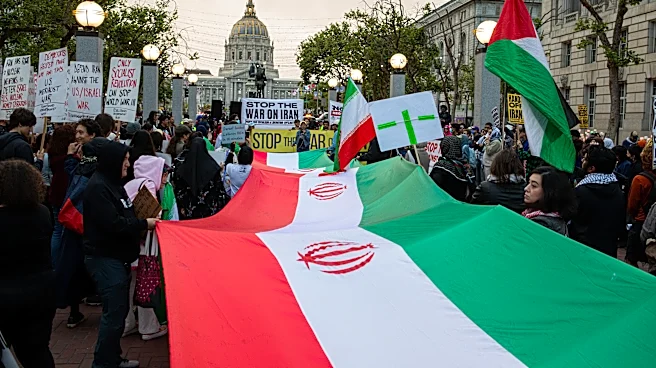
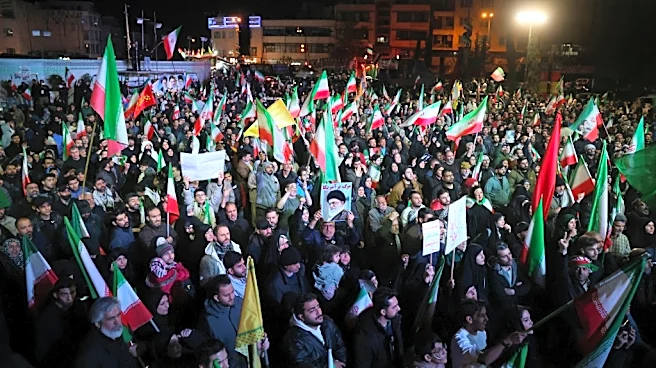
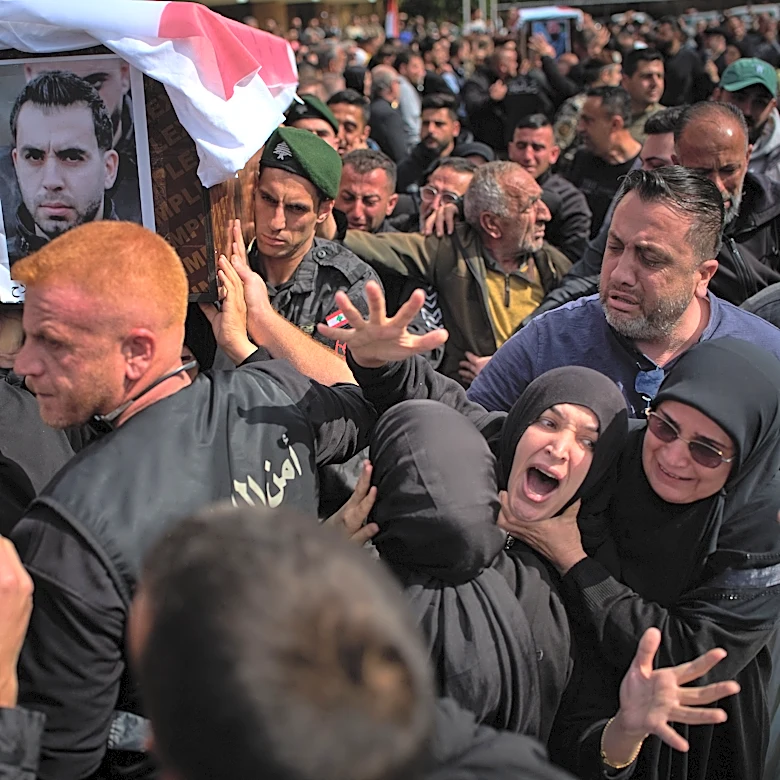
Governments worldwide, including the U.S., Iran, and Gulf states, have intensified efforts to control information dissemination during the ongoing conflict in Iran. This has led to a significant decline in global press freedom. The U.S. has restricted
satellite imagery and information flow from the region, while Iran has imposed a strict internet blackout, limiting civilian communication with the outside world. Gulf states have arrested hundreds for sharing unauthorized videos and information online. This marks a stark contrast to the past decade, where social media and technology facilitated greater transparency in conflict zones.
Why It's Important?
The increased restrictions on information flow have significant implications for global press freedom and transparency. By controlling the narrative, governments aim to manage public perception and maintain national security. However, this limits journalists' ability to report accurately and comprehensively, potentially leading to misinformation and reduced public awareness. The restrictions also impact the ability of human rights organizations and independent researchers to verify events and hold governments accountable. This trend could set a precedent for future conflicts, where information control becomes a strategic tool for governments.
What's Next?
As the conflict continues, it is likely that governments will maintain or even tighten these restrictions to control the narrative. Journalists and researchers may need to find alternative methods to access and verify information, such as using publicly funded satellite imagery or developing new technologies. The international community, including media organizations and human rights groups, may advocate for greater transparency and press freedom. The situation could also prompt discussions on the ethical implications of information control during conflicts and the role of technology companies in facilitating or hindering access to information.
Beyond the Headlines
The current situation highlights the ethical and legal challenges of balancing national security with press freedom. The use of technology to control information raises questions about privacy, censorship, and the role of tech companies in supporting government policies. Long-term, this could lead to shifts in how conflicts are reported and perceived globally, potentially affecting public opinion and policy decisions. The situation also underscores the importance of developing resilient information networks that can withstand government-imposed restrictions.