






What's Happening?
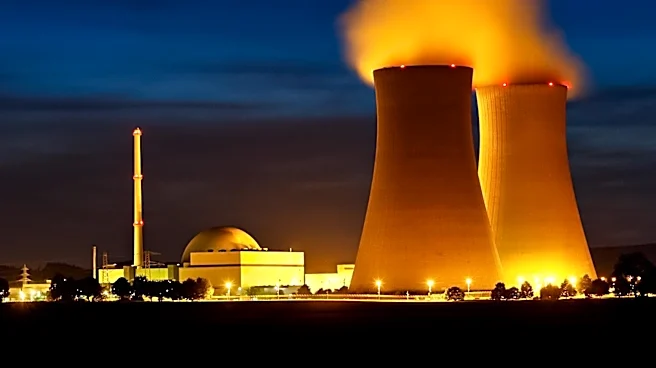
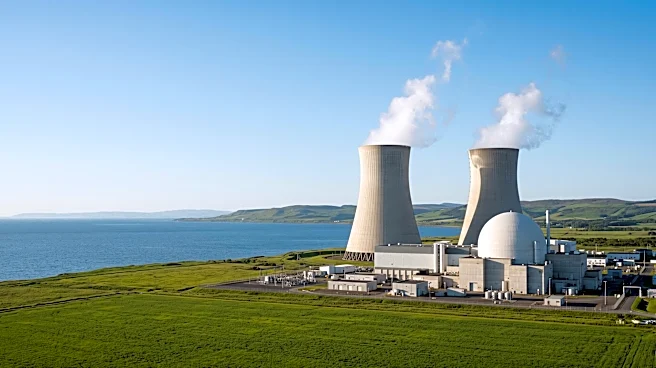
Bangladesh is preparing to activate its first nuclear power plant, the 2.4-gigawatt Rooppur Nuclear Power Plant, a project that has been over a decade in the making and cost US$13 billion. The plant's first reactor is scheduled to be operational by the end
of this year, with the second unit expected to follow within a year. Once fully operational, the two reactors are projected to supply over 10% of Bangladesh's electricity demand, offering a potential solution to chronic power shortages. The project, built with Russia's state nuclear corporation Rosatom, has transformed the local area, bringing in thousands of Russian workers and fostering new businesses. However, the project has faced delays due to the Covid-19 pandemic and sanctions on Russia following its invasion of Ukraine, which complicated equipment deliveries and payments. Additionally, there have been corruption allegations, including against ousted former prime minister Sheikh Hasina and her family, though they have denied these accusations.
Why It's Important?
The activation of the Rooppur Nuclear Power Plant is a pivotal development for Bangladesh's energy security and economic stability. Currently, the nation's power sector is heavily reliant on fossil fuels, making it vulnerable to global fuel crises and price fluctuations. The nuclear plant offers a significant step towards diversifying the energy mix and reducing dependence on imported fuels, which can lead to more stable and affordable electricity for industries and households. Reliable electricity supply is crucial for economic growth, supporting manufacturing, agriculture, and daily life. However, the project's delays and corruption allegations raise concerns about transparency, governance, and the efficient allocation of resources. For the U.S., the development of nuclear power in Bangladesh, particularly with Russian involvement, has implications for regional energy dynamics and non-proliferation efforts, as it underscores the growing influence of non-Western powers in critical infrastructure projects in South Asia.
What's Next?
The immediate next step is the commissioning of the first reactor by the end of this year, followed by the second unit within a year. This will be a critical period for testing the plant's operational reliability and safety protocols. Plant officials emphasize that stringent safety measures have been followed, incorporating lessons from past nuclear accidents. However, public confidence remains a factor, with some local residents expressing concerns about safety, particularly after compressor tests caused alarm. The long-term success of the plant will depend on its ability to deliver consistent and affordable electricity without compromising safety or environmental standards. Addressing the lingering corruption allegations and ensuring transparent oversight will also be crucial for maintaining public trust and international credibility. The project's performance will likely influence future energy policy decisions in Bangladesh and potentially serve as a model or cautionary tale for other developing nations considering nuclear power.
Beyond the Headlines
The Rooppur Nuclear Power Plant project transcends its role as a mere energy infrastructure; it embodies Bangladesh's long-held national ambition for technological advancement and energy independence, dating back to the 1960s. The presence of a Russian enclave in rural Bangladesh, with its unique cultural and economic interactions, highlights the broader socio-cultural impacts of large-scale international projects. The project also brings to the forefront the complex interplay between national development goals, geopolitical alliances, and environmental concerns. While the plant promises to alleviate power shortages, it also introduces new challenges related to nuclear waste management, safety regulations, and the potential for unforeseen environmental consequences. The public's mixed reactions, ranging from hope for reliable electricity to fear of living near a nuclear facility, underscore the ethical dilemmas and societal trade-offs inherent in pursuing such advanced energy solutions. The project's legacy will be defined not only by its energy output but also by its long-term social, environmental, and political implications.