




What's Happening?
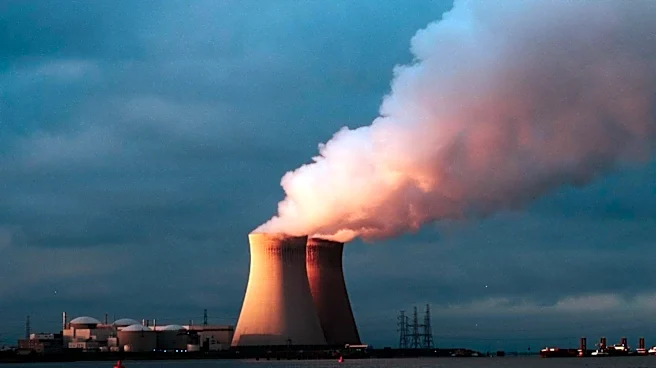
EDF has extended the operational life of two Advanced Gas-cooled Reactors (AGRs) in Britain, Hartlepool and Heysham 1, by two years to March 2030. These reactors, originally designed to last 25 years, have been operational since 1983. The extension is
the sixth since 2010, despite the reactors facing issues such as graphite brick cracking, which is critical for reactor safety. The decision aims to maintain energy supply and jobs, but it highlights the challenges of managing aging nuclear infrastructure.
Why It's Important?
The extension of the AGRs' operational life underscores the challenges of balancing energy supply with safety concerns. As Britain seeks to transition to cleaner energy sources, maintaining existing nuclear capacity is crucial to meet energy demands and reduce reliance on fossil fuels. However, the safety risks associated with aging reactors, such as graphite brick degradation, pose significant challenges. The decision reflects the broader issue of managing aging nuclear infrastructure while ensuring safety and reliability.
What's Next?
The future of Britain's nuclear energy strategy involves transitioning to newer technologies, such as high-temperature gas-cooled reactors. The ongoing assessment of reactor safety and the development of new reactor designs will be critical in determining the long-term viability of nuclear energy in the UK. The outcome of these efforts will influence energy policy and the role of nuclear power in achieving climate goals.