







What's Happening?
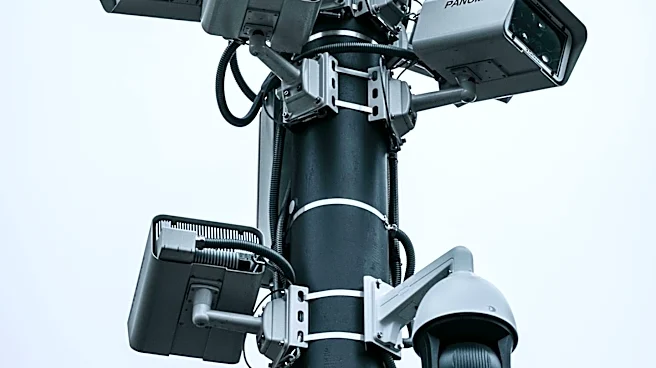
Columbus City Council is set to introduce legislation aimed at establishing safeguards for surveillance technology, specifically addressing concerns surrounding Flock cameras. This development follows an announcement by Columbus Mayor Andrew Ginther regarding
new protocols for police use of these automated license plate reader cameras. Emmanuel Remy, chair of the council's Public Safety committee, has been in discussions with city leaders to modify city code governing this technology. The contract for Flock cameras is up for renewal at the end of the year, and council members hold varying opinions, with some advocating for moving away from the technology entirely, others seeking a different vendor, and some open to its use with appropriate safeguards. Mayor Ginther has defended the cameras' utility in solving crimes and finding missing persons but acknowledges legitimate privacy concerns and potential for misuse. Remy emphasizes the need to codify protections into law, regardless of the future of the Flock contract, to govern surveillance technology more broadly.
Why It's Important?
This initiative by the Columbus City Council highlights a growing national debate regarding the balance between public safety and individual privacy in the age of advanced surveillance technology. The proposed legislation could set a precedent for how U.S. municipalities regulate automated license plate readers and similar systems, influencing policy decisions in other cities grappling with similar issues. The discussion around the Flock camera contract renewal and the differing opinions among council members reflect broader societal anxieties about the unchecked deployment of surveillance tools. For technology providers like Flock, this scrutiny could lead to increased demands for transparency, accountability, and built-in privacy protections, potentially impacting their business models and market access in the public sector. The outcome in Columbus could empower privacy advocates and civil liberties organizations, while also shaping how law enforcement agencies across the country integrate and utilize such technologies, emphasizing the need for clear legal frameworks and public oversight.
What's Next?
The Columbus City Council will proceed with introducing legislation to establish safeguards for surveillance technology. The Flock camera contract is due for renewal at the end of the year, and the council's discussions will determine whether to renew with the current vendor, seek alternatives, or discontinue the technology altogether. The ongoing dialogue will likely involve balancing public safety benefits, as highlighted by Mayor Ginther, with privacy concerns raised by council members and the public. The legislative process will involve debates on the specific protections to be codified into law, which could include regulations on data retention, access, and usage. The outcome of these deliberations in Columbus could influence other U.S. cities facing similar decisions regarding surveillance technologies and their impact on civil liberties.
Beyond the Headlines
The debate in Columbus over Flock cameras and broader surveillance technology touches upon fundamental ethical and legal questions concerning the scope of government surveillance in a democratic society. The tension between enhancing public safety through technological means and safeguarding individual privacy rights is a complex issue with far-reaching implications. The potential for misuse, as acknowledged by Mayor Ginther, raises concerns about the erosion of civil liberties and the creation of a surveillance state. The discussion also highlights the need for robust democratic oversight and public engagement in decisions regarding the deployment of such powerful technologies. The long-term shift could involve a re-evaluation of how technology companies develop and market surveillance tools, pushing for greater transparency and accountability in their design and implementation. This local initiative could contribute to a national conversation about establishing clear legal and ethical boundaries for surveillance, ensuring that technological advancements serve society without undermining core democratic values.