




What's Happening?
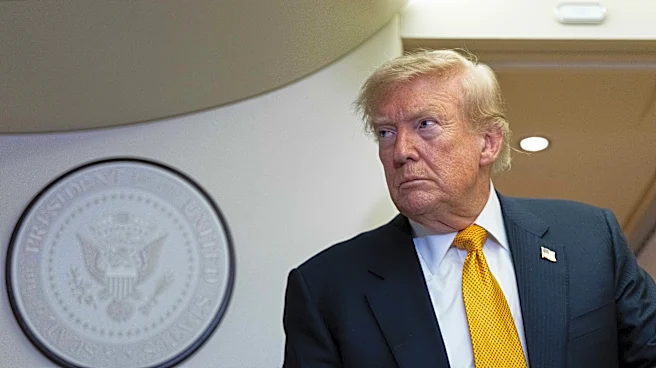
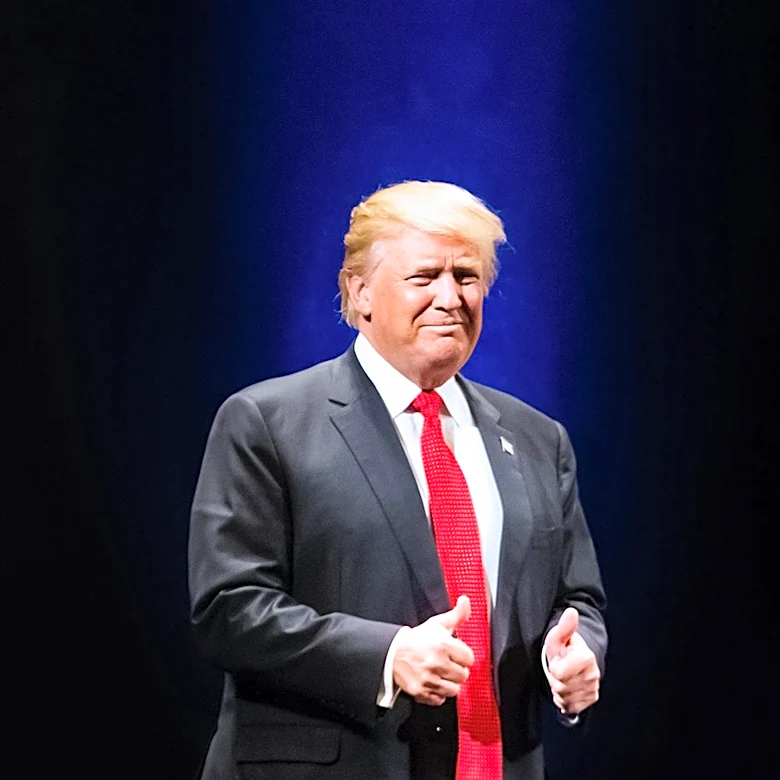
The White House has expressed frustration with the media following the unraveling of President Trump's claim that Walmart is lowering food prices at his administration's request. President Trump announced on social media that Walmart would significantly
reduce prices, including a 15% cut on ground beef, as part of a celebration for the country's 250th birthday. However, Walmart confirmed that the price reductions were planned independently and had already been initiated prior to any government request. The Wall Street Journal reported that an Agriculture Department official had contacted Walmart and other grocers to encourage price cuts, but Walmart had already intended to lower prices. The White House, through spokesperson Kush Desai, accused the media of having a 'pathological' need to undermine positive news related to President Trump.
Why It's Important?
This development highlights the ongoing tension between the White House and the media, particularly regarding narratives that involve President Trump. The situation underscores the challenges in communication and perception management faced by the administration. For Walmart, the incident emphasizes its role as a major player in the U.S. retail market, capable of influencing consumer prices independently of political narratives. The broader significance lies in the potential impact on consumer trust and the perception of political influence over corporate decisions. The media's role in scrutinizing and verifying claims made by political figures is also brought to the forefront, illustrating the importance of transparency and accountability in public communications.
What's Next?
The White House may continue to defend its position and attempt to shift the narrative by emphasizing other economic strategies or achievements. Walmart, on the other hand, might focus on maintaining its market position and consumer trust by clarifying its pricing strategies and independence from political influence. The media is likely to continue its scrutiny of political claims, especially those involving major corporations and economic policies. Stakeholders, including consumers and political analysts, will be watching closely to see how this situation evolves and whether it affects public perception of both the administration and Walmart.