

What's Happening?
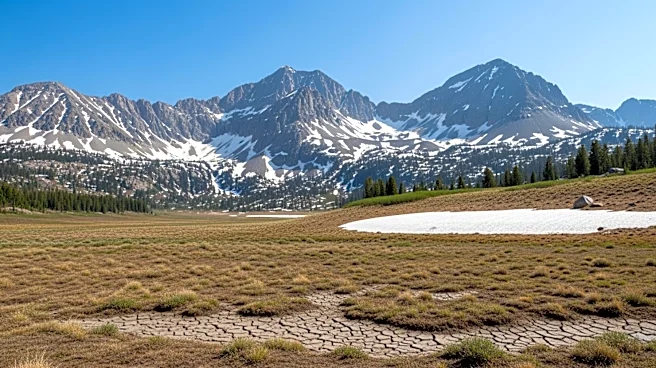
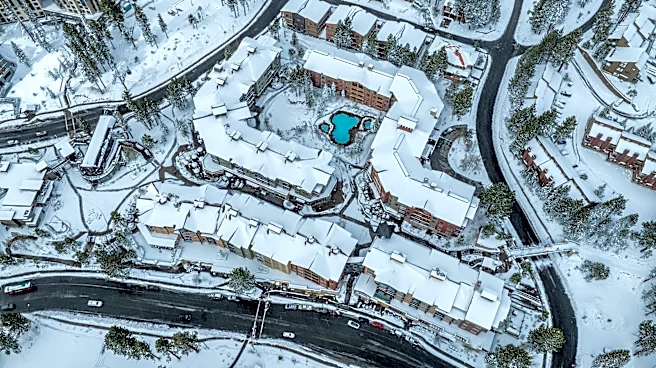
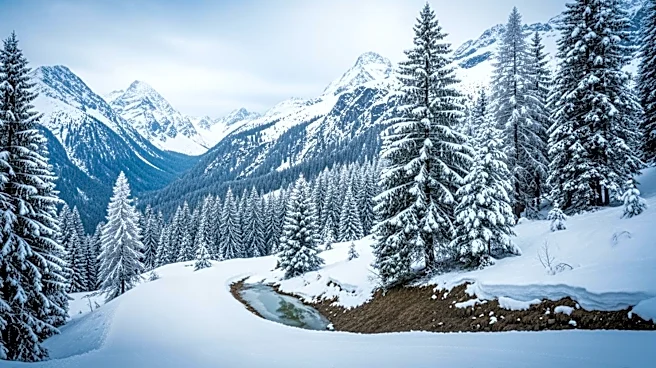
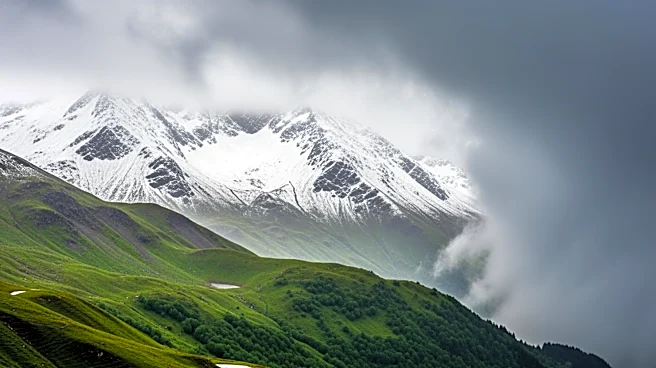
A recent spring snowstorm has brought up to 3.5 feet of snow to California's Sierra Nevada, allowing Mammoth Mountain ski resort to extend its season until at least Memorial Day. This development comes after a record-warm March led to significant snowmelt,
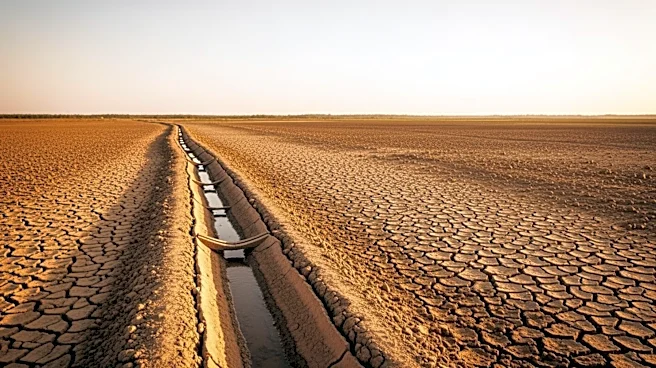
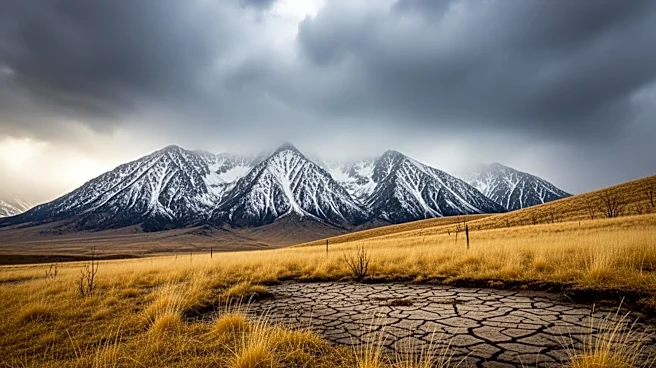
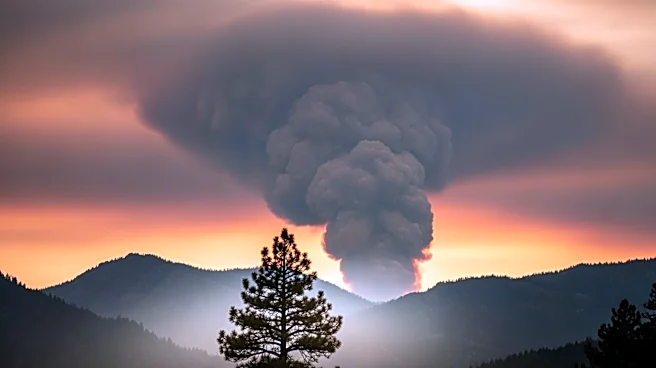
resulting in the second-smallest April 1 snowpack since 1950. Despite the fresh snowfall, the snowpack remains well below average, measuring only 23% of normal levels. The storm has not benefited Southern California's ski resorts, which have already closed for the season. The early snowmelt has raised concerns among water managers in California and the broader Western region as they prepare for the dry season, with fears of increased wildfire risks due to parched landscapes.
Why It's Important?
The extension of the ski season at Mammoth Mountain provides a temporary boost to the local tourism industry, which relies heavily on winter sports. However, the overall low snowpack levels highlight ongoing water scarcity issues in California, exacerbated by climate change. The reduced snowpack, which serves as a critical water reservoir, poses challenges for water supply management and increases the risk of wildfires. This situation underscores the need for adaptive strategies in water resource management and highlights the broader impacts of climate change on regional ecosystems and economies.
What's Next?
As temperatures are expected to rise again, the recent snowfall may quickly diminish, potentially impacting the extended ski season. Water managers will need to continue monitoring snowpack levels and adjust water supply forecasts accordingly. The state may also need to implement water conservation measures to address potential shortages. Additionally, the ongoing drought conditions could prompt further discussions on climate adaptation strategies and investments in infrastructure to mitigate the impacts of climate change on water resources.
Beyond the Headlines
The early snowmelt and its implications for water supply and wildfire risk reflect broader environmental challenges linked to climate change. The situation in California serves as a case study for other regions facing similar issues, emphasizing the importance of sustainable resource management and climate resilience planning. The reliance on snowpack as a water source highlights the vulnerability of traditional water management systems in the face of changing climate patterns.