








What's Happening?
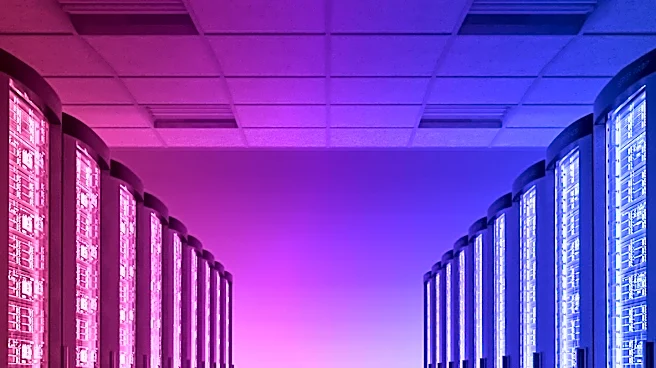
A growing number of U.S. states are considering bans or temporary moratoriums on the construction of new data centers due to environmental concerns. According to the National Conference of State Legislatures (NCSL), at least 14 states are evaluating such
measures. Critics argue that data centers consume significant amounts of electricity and water, necessitating a cautious approach to assess long-term impacts. Proponents, including the Trump administration, view these facilities as crucial in the global race for AI dominance, particularly against China. Some municipalities, like Monterey Park, California, have already enacted bans, joining others in Georgia and Indiana. Efforts to limit data center proliferation include proposals in Georgia to block construction until 2028 and a moratorium in Maine, which was recently vetoed. South Carolina and Pennsylvania are also considering legislative measures to regulate data center approvals.
Why It's Important?
The debate over data centers highlights a critical intersection of technology advancement and environmental sustainability. Data centers are essential for supporting the growing demand for digital services and AI technologies. However, their environmental footprint, particularly in terms of water and energy consumption, poses significant challenges. The Ogallala Aquifer, a vital groundwater resource for U.S. agriculture, is already under stress, with some proposed data centers located nearby. The outcome of these legislative efforts could influence the balance between technological progress and environmental conservation. States that impose restrictions may slow down the expansion of digital infrastructure, potentially impacting economic growth and technological competitiveness.
What's Next?
As states deliberate on these moratoriums, the tech industry and environmental groups are likely to intensify their lobbying efforts. Companies may need to explore more sustainable practices or alternative locations for data centers. Legislative outcomes could set precedents for how other states address similar issues. Additionally, the federal government may need to consider national guidelines or incentives to balance technological needs with environmental protection. The ongoing discussions could lead to comprehensive oversight frameworks that address both the benefits and drawbacks of data center expansion.
Beyond the Headlines
The situation underscores a broader ethical and policy debate about the role of technology in society. As data centers become integral to digital economies, questions about resource allocation, environmental justice, and long-term sustainability become more pressing. The decisions made by state legislatures could influence public policy on technology and environment for years to come, potentially reshaping how digital infrastructure is developed and managed across the country.