





What's Happening?
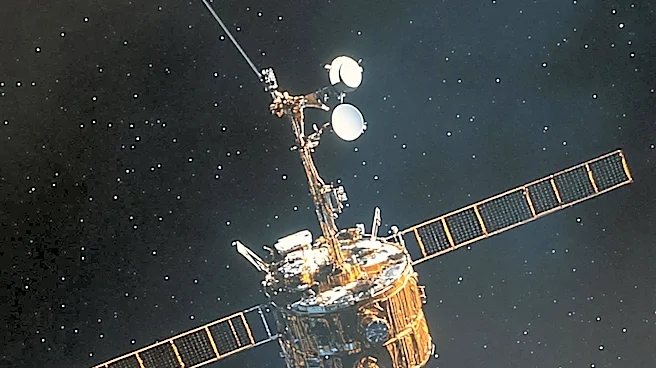
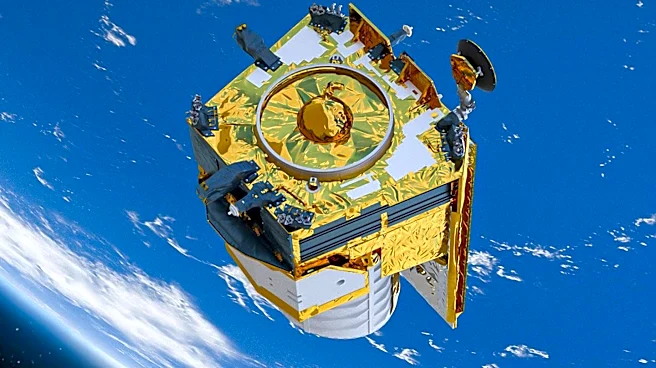
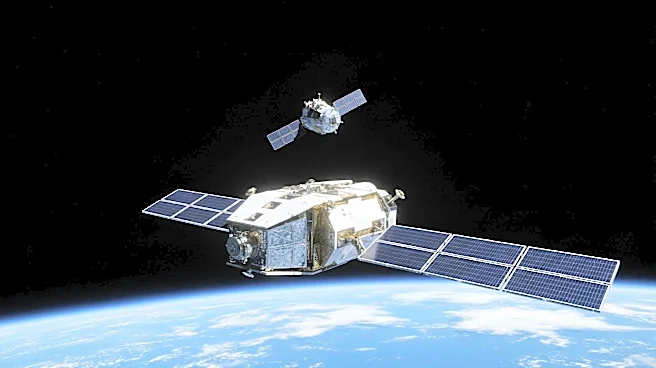
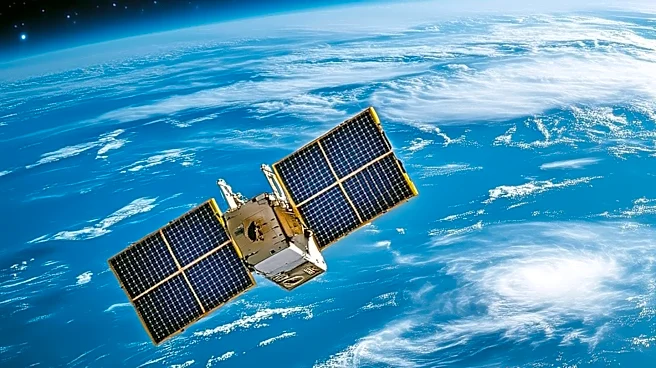
NASA's Neil Gehrels Swift Observatory is set to receive an orbital boost from Katalyst's robotic servicing spacecraft, LINK. Following its launch on July 3, LINK has successfully entered orbit and is undergoing commissioning. This process involves checking
and adjusting the spacecraft's systems to ensure they function correctly in space. LINK's systems, including its solar arrays and communication capabilities, have been successfully tested. The spacecraft's electric propulsion system, which uses xenon-fueled thrusters, is also being evaluated. Once commissioning is complete, LINK will rendezvous with the Swift Observatory to perform its mission.
Why It's Important?
The mission is crucial for extending the operational life of the Swift Observatory, which plays a vital role in astrophysical research, particularly in studying gamma-ray bursts. By boosting its orbit, LINK will help maintain Swift's observational capabilities, allowing it to continue providing valuable data to the scientific community. This mission also demonstrates the potential of robotic servicing spacecraft to extend the life of existing satellites, which could become a standard practice in satellite maintenance and sustainability.
What's Next?
After the commissioning phase, LINK will proceed to rendezvous with the Swift Observatory to perform the orbital boost. The success of this mission could pave the way for future satellite servicing missions, potentially leading to more sustainable space operations. Continued updates on the mission's progress will be available through NASA's Swift blog.